O. vetula
was first described by Risso from Alpes-Maritimes, France in
1844. It is one of the rarer members of the 13
strong O. tetraloniae group which
take their name from the Tetraloniae genus of bees that are its most significant pollinators. The name vetula means elderly and refers to the specular pattern which
was thought to resemble that of an old man. Clearly, in 1844, imaginations were more vivid.
Its recognized home is the sub Mediterranean areas of south eastern France and northwest Italy, its full range is not however known with any certainty and it can probably be found as far north as the Vercors and further east into Tuscany. The range of O. vetula overlaps with several other similar species but two important features help differentiate it. As with most species of the O. tetraloniae group, it has a broad, complete band of submarginal hair and importantly it is also a late flowerer, this commencing in late May and carrying on through to late July.
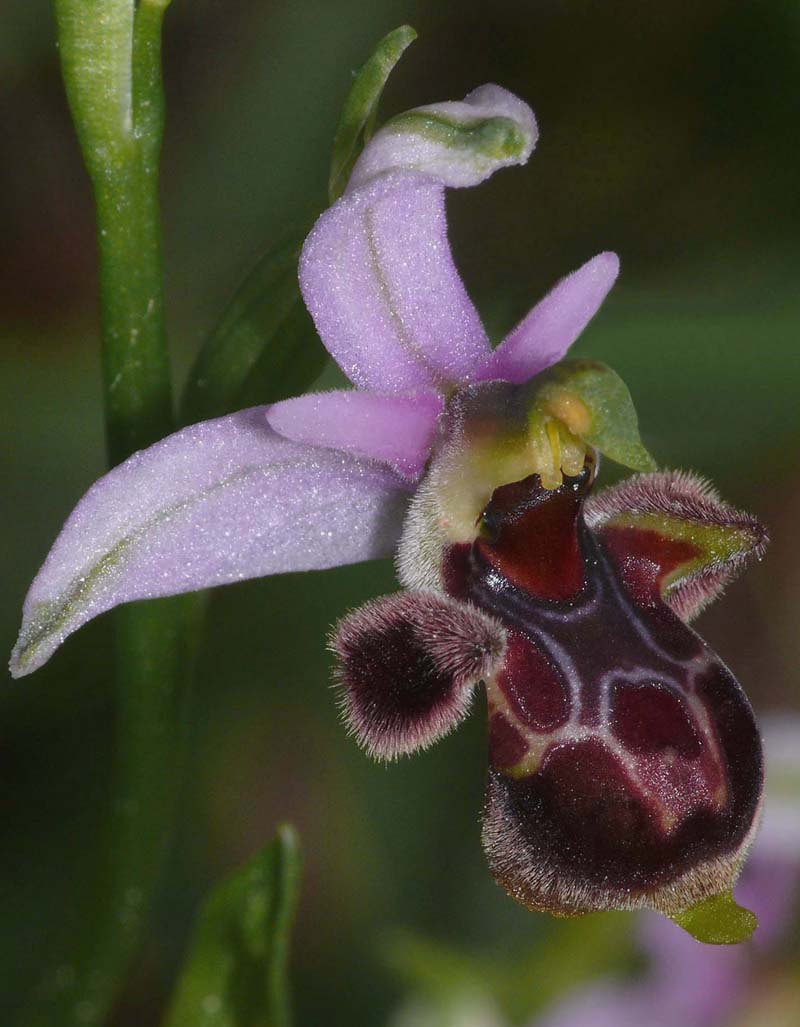
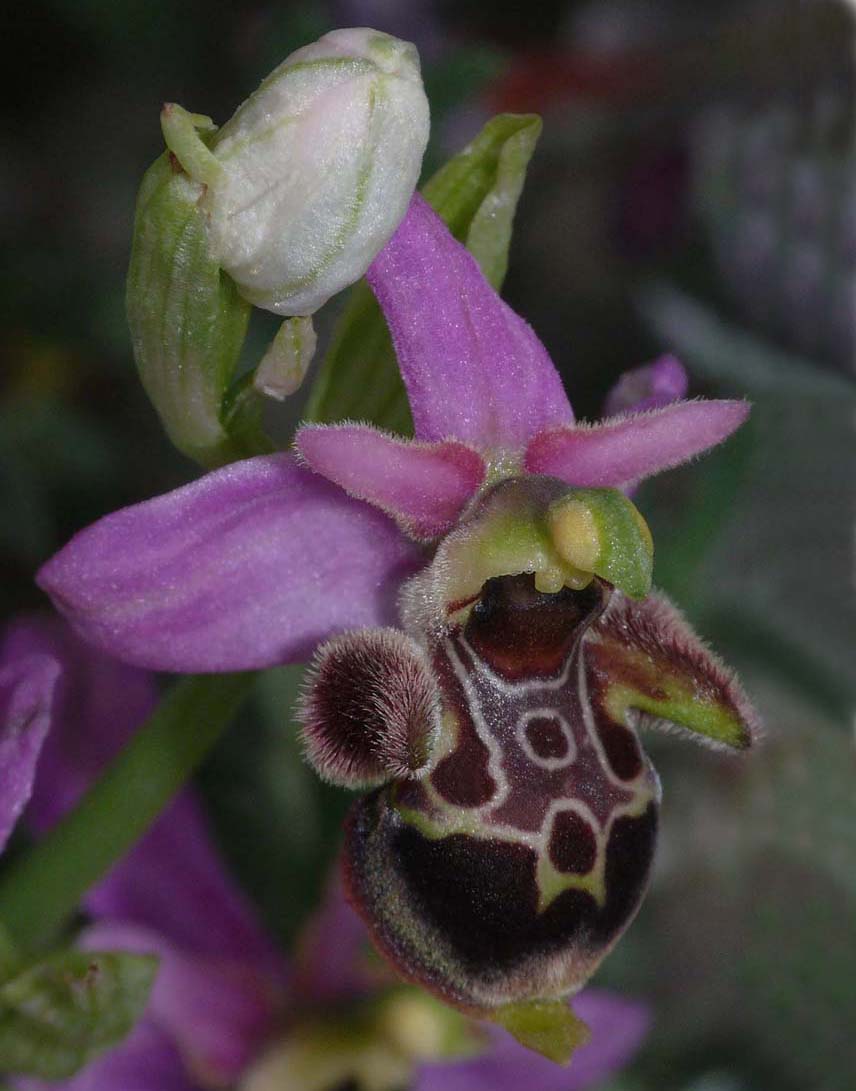
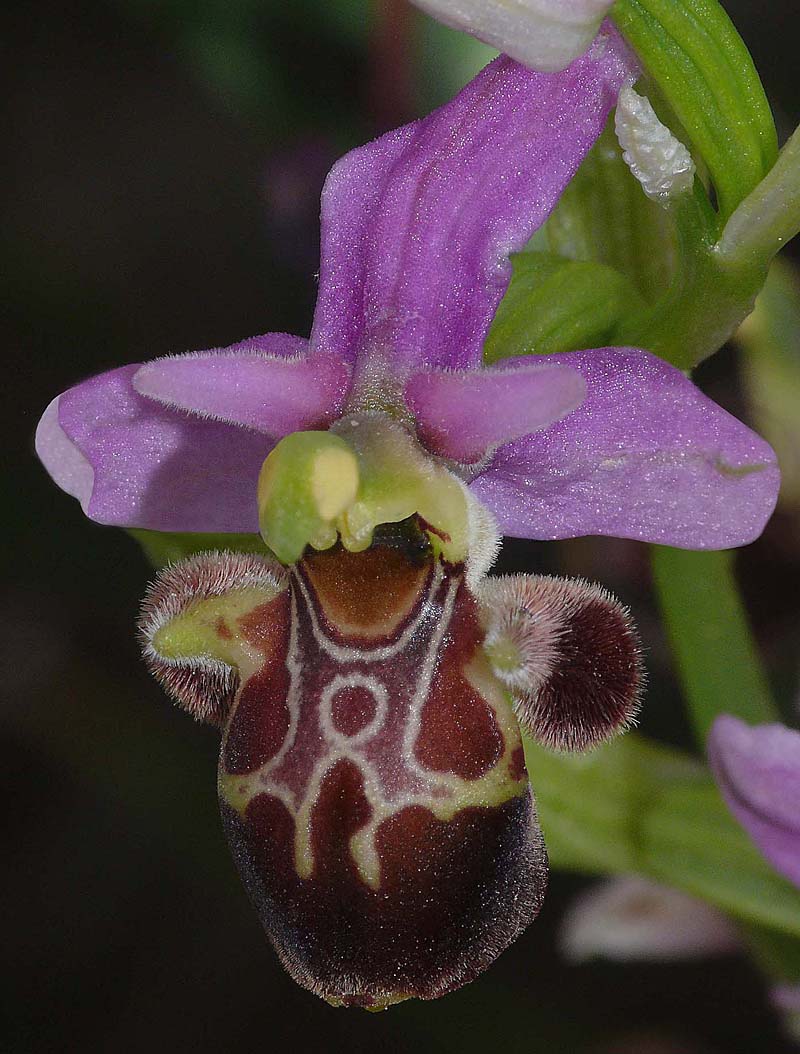
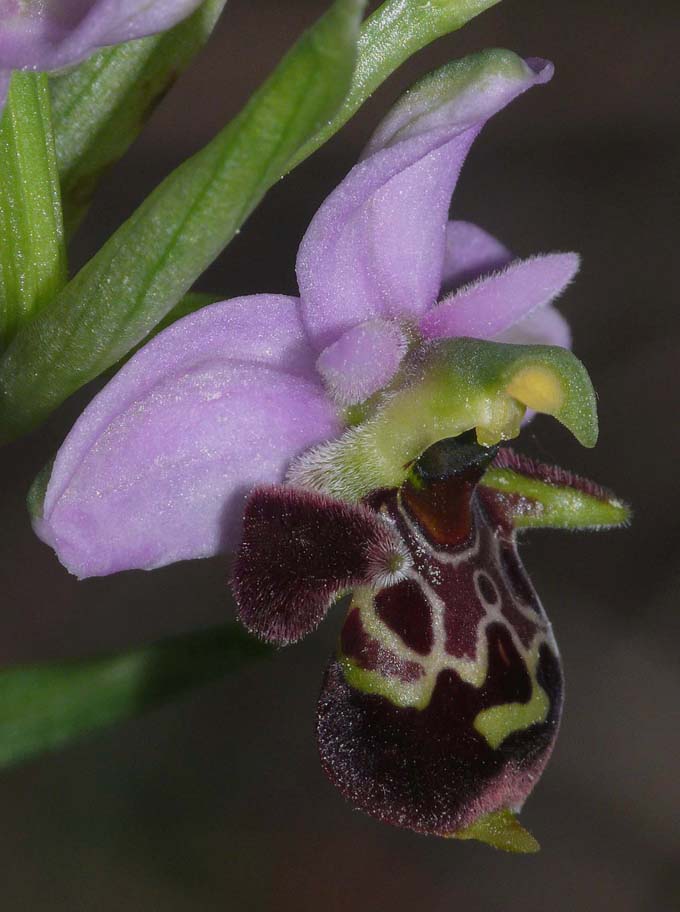
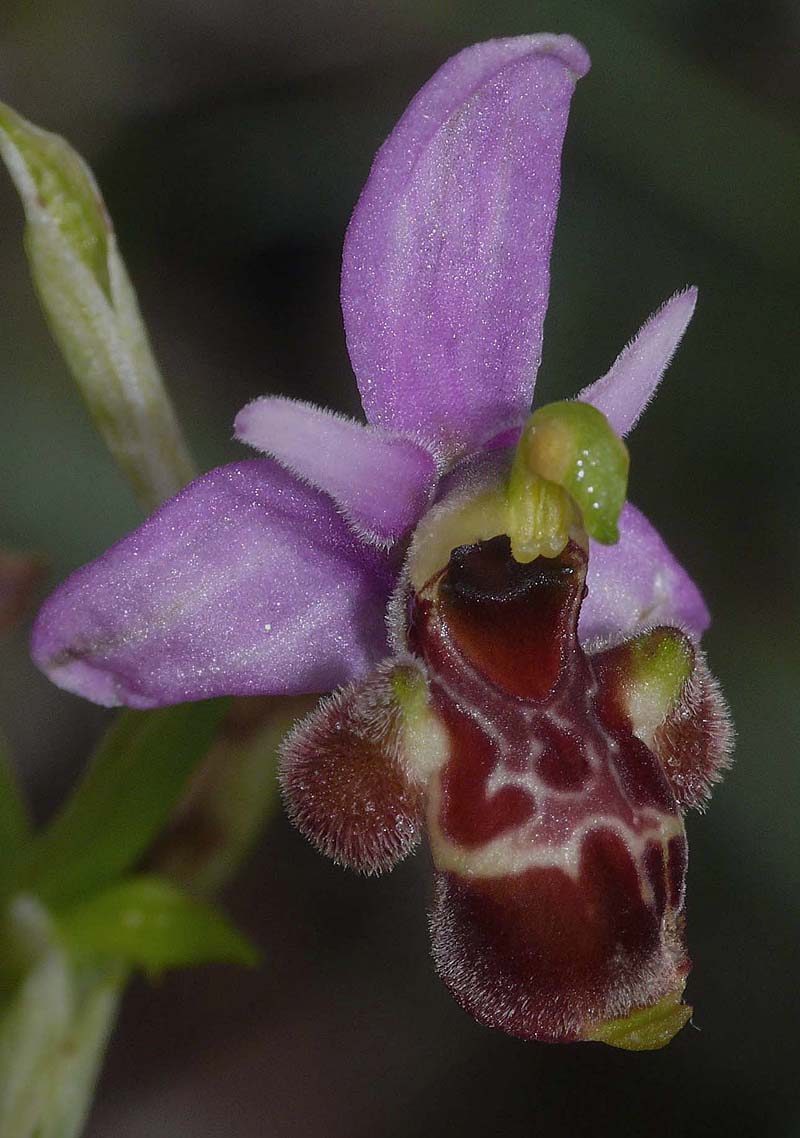
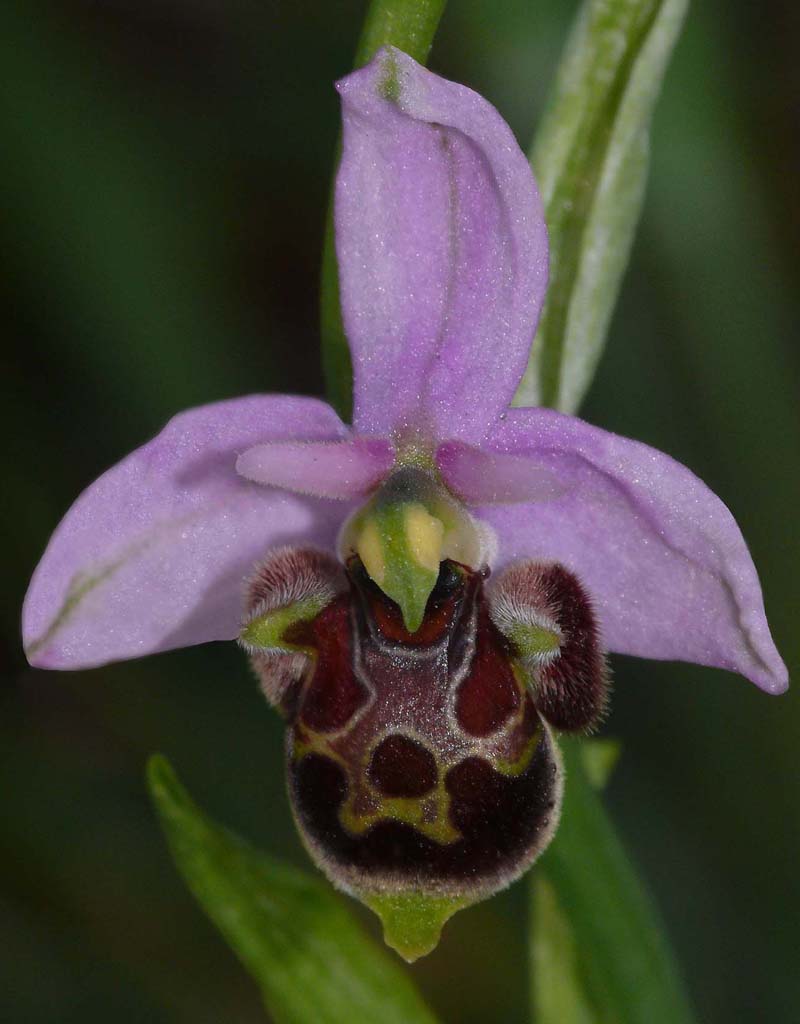
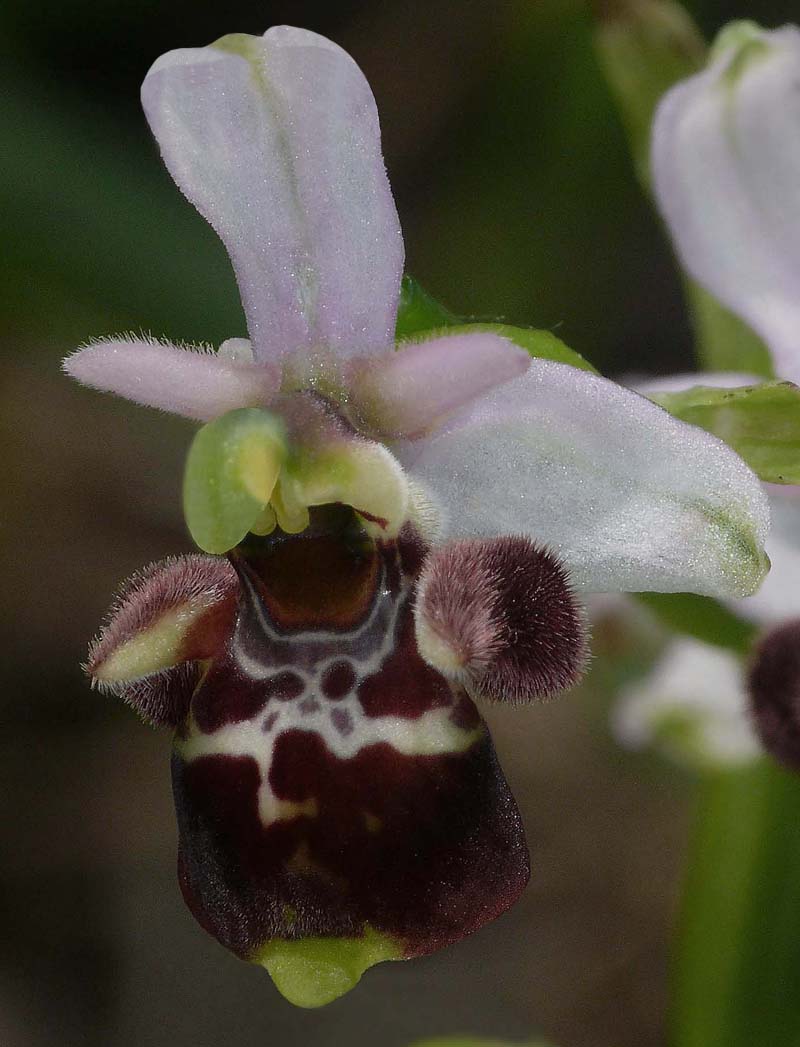
This species is highly variable and particularly so in its lip shape. It frequently takes on a scolopaxoid appearance, albeit that the convexity is rarely complete as in O. scolopax and the recurved lip margins don't meet, tending therefore to form an open pleat at the rear of the lip (picture 2 illustrates this very well). In some plants the lip margins only partially recurve or can even have a skirted appearance as in O. fuciflora.
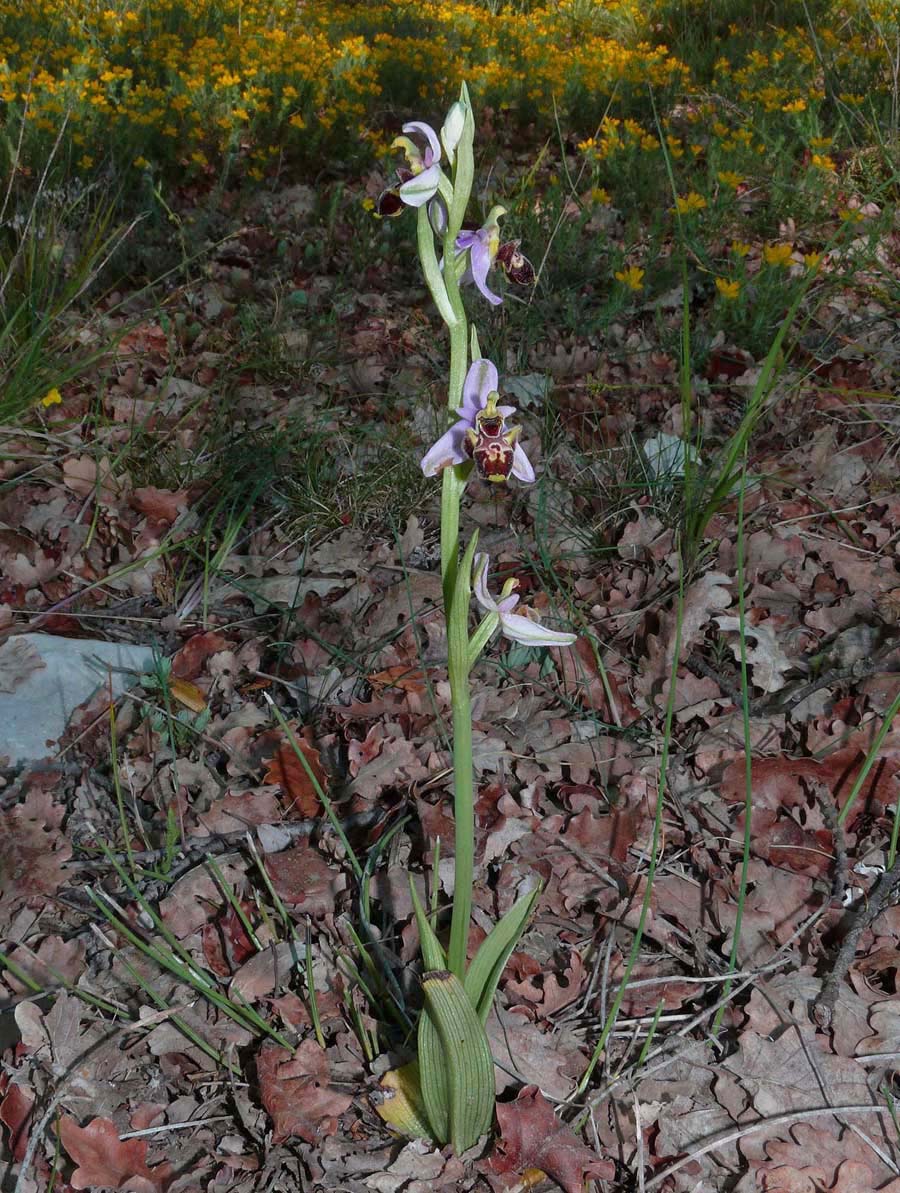
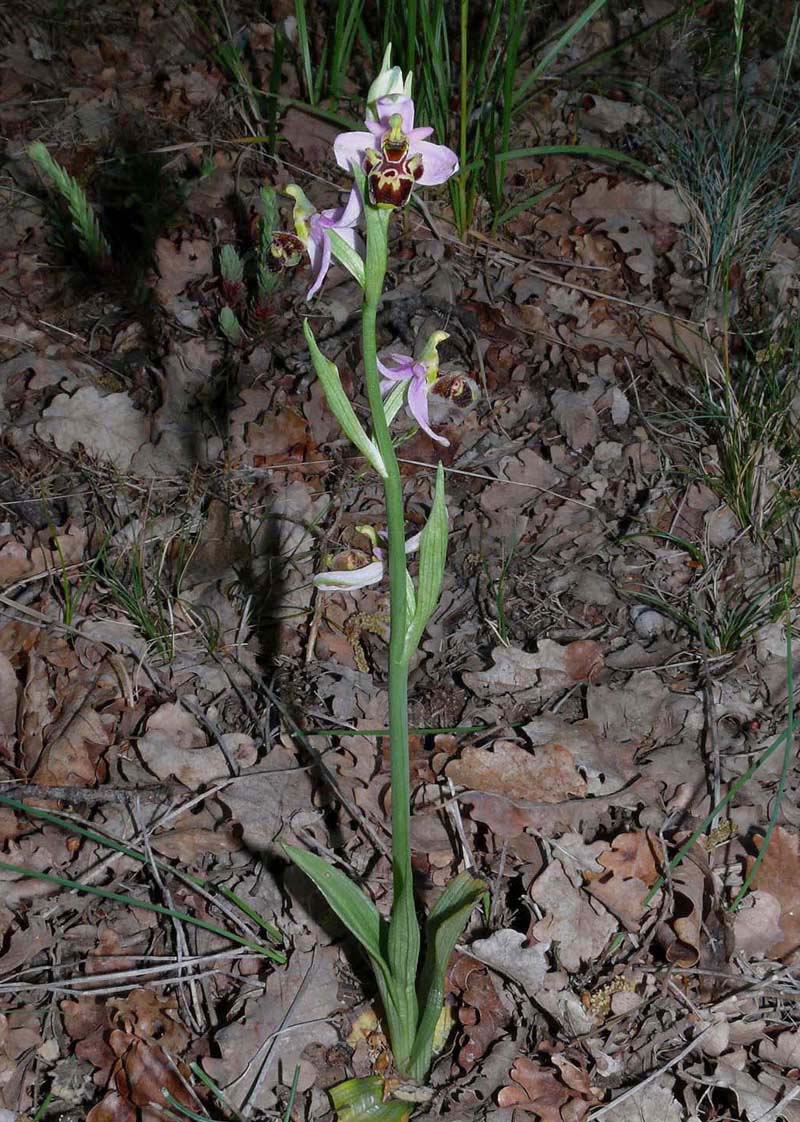
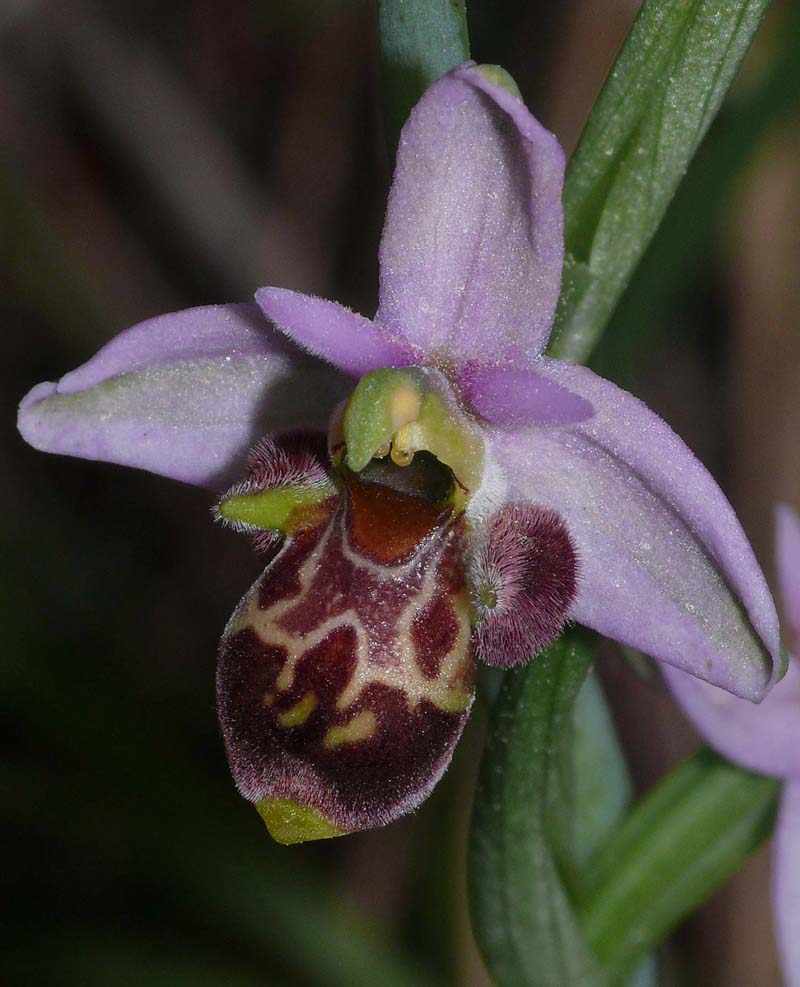
The photographs are from Drome and Var in south eastern France, dating from the first week of June, at which time they were only just beginning to come into flower.
Its recognized home is the sub Mediterranean areas of south eastern France and northwest Italy, its full range is not however known with any certainty and it can probably be found as far north as the Vercors and further east into Tuscany. The range of O. vetula overlaps with several other similar species but two important features help differentiate it. As with most species of the O. tetraloniae group, it has a broad, complete band of submarginal hair and importantly it is also a late flowerer, this commencing in late May and carrying on through to late July.
This species is highly variable and particularly so in its lip shape. It frequently takes on a scolopaxoid appearance, albeit that the convexity is rarely complete as in O. scolopax and the recurved lip margins don't meet, tending therefore to form an open pleat at the rear of the lip (picture 2 illustrates this very well). In some plants the lip margins only partially recurve or can even have a skirted appearance as in O. fuciflora.
The photographs are from Drome and Var in south eastern France, dating from the first week of June, at which time they were only just beginning to come into flower.
.