The distribution of this Ophrys
is somewhat curious, as despite being essentially an Aegean orchid it
additionally occurs sparingly in the Puglia region of south west Italy.
O. candica can also be found as far south as Crete and it was from here that it was first described by Greuter, Mathias and Risse in 1985. Its name refers to Candia which was the ancient name of present day Iraklion, the main city of Crete. Quite why it was named after the city of Iraklion having been discovered near the city of Chania at the other end of the island is unknown ? Despite its original discovery in Crete, the centre of its distribution are the islands of Rhodes and Samos where it is relatively common and frequently hybridizes with other of the fuciflorids to create challenging identification opportunities !
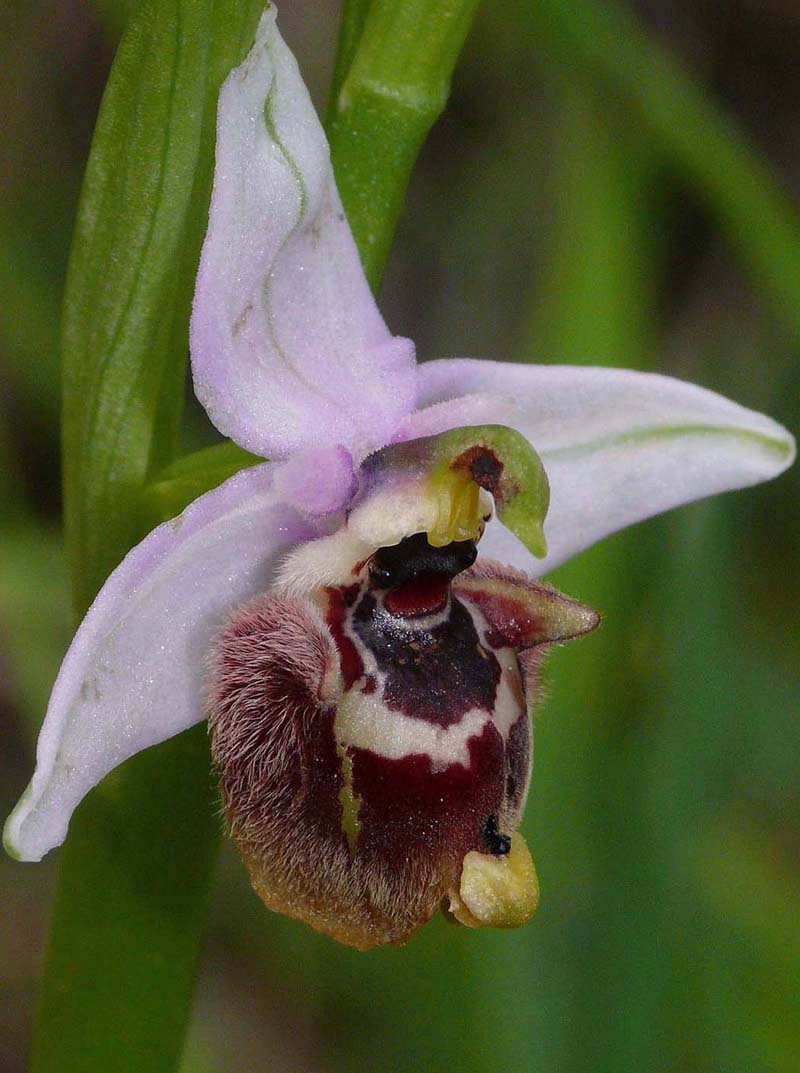
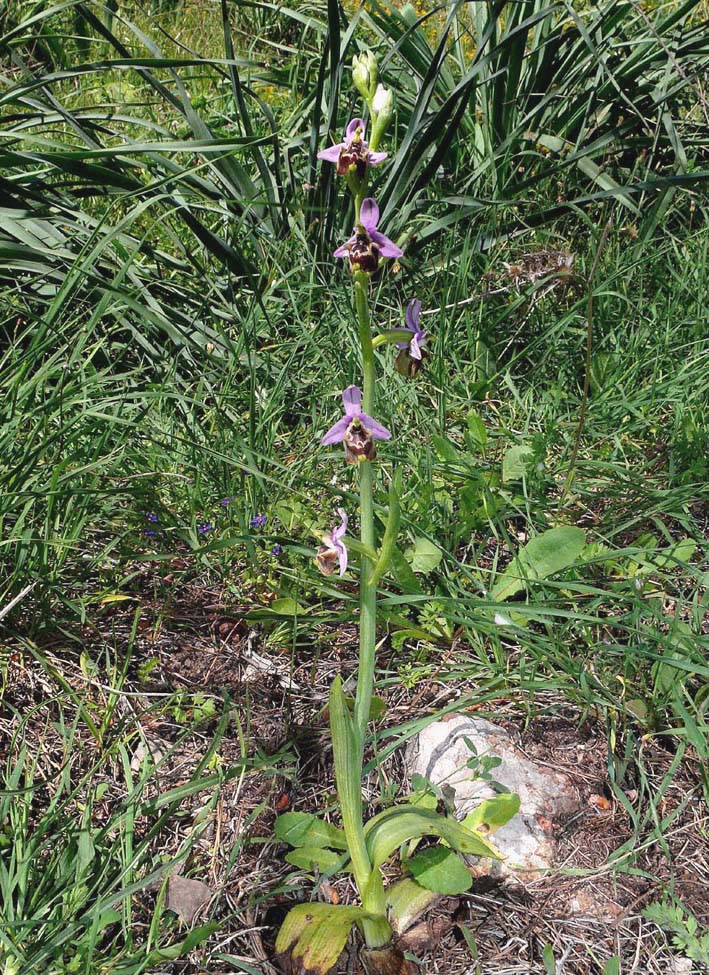
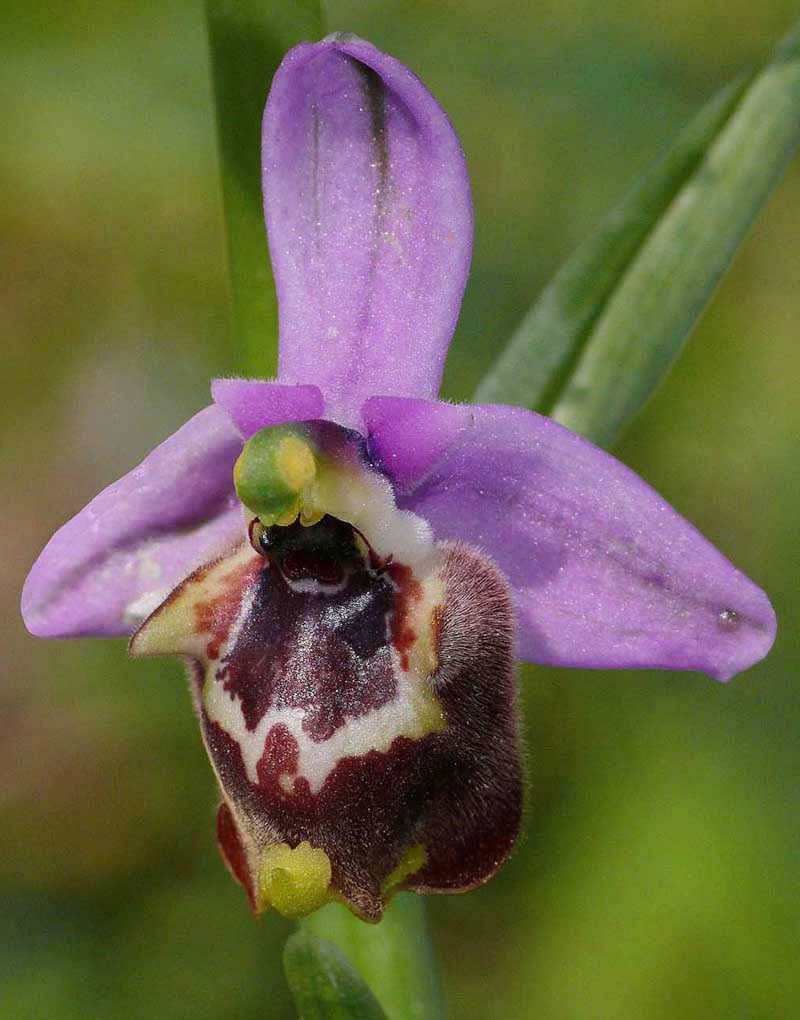
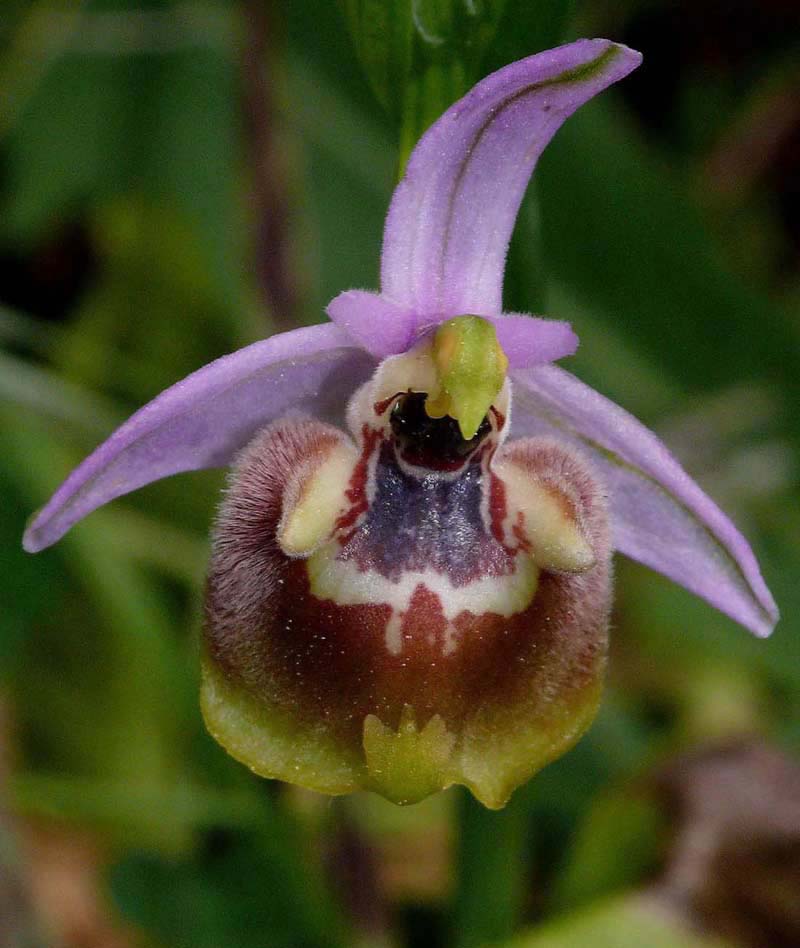
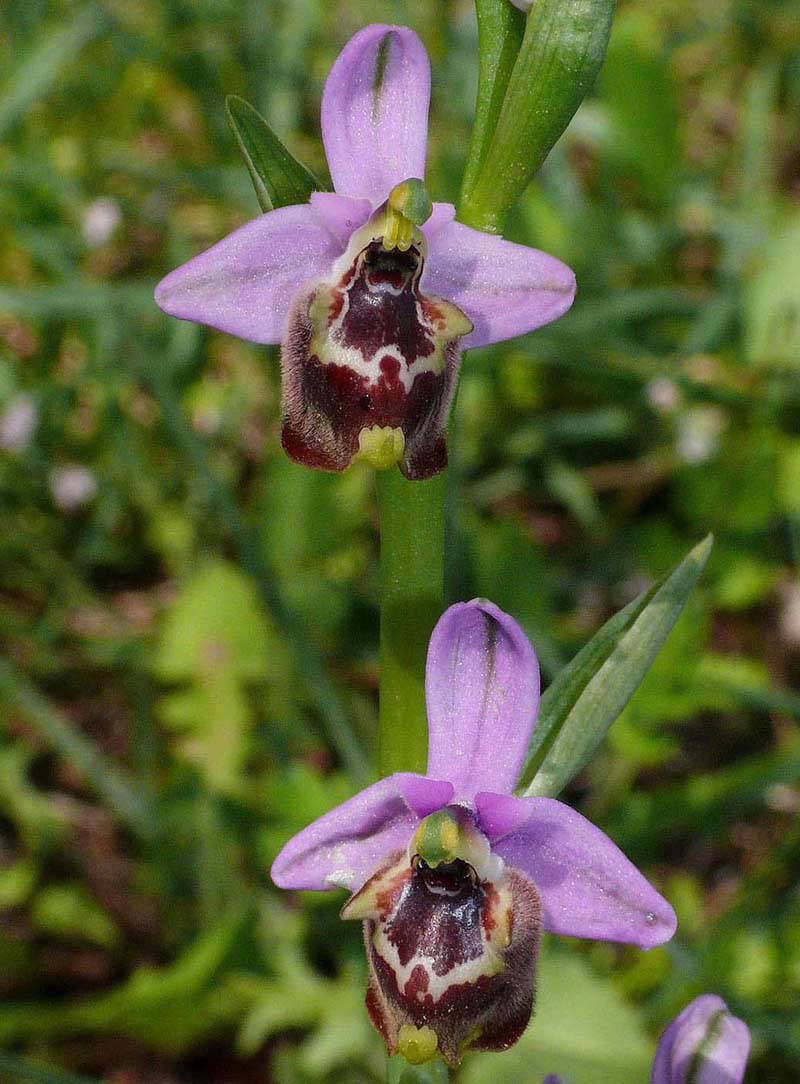
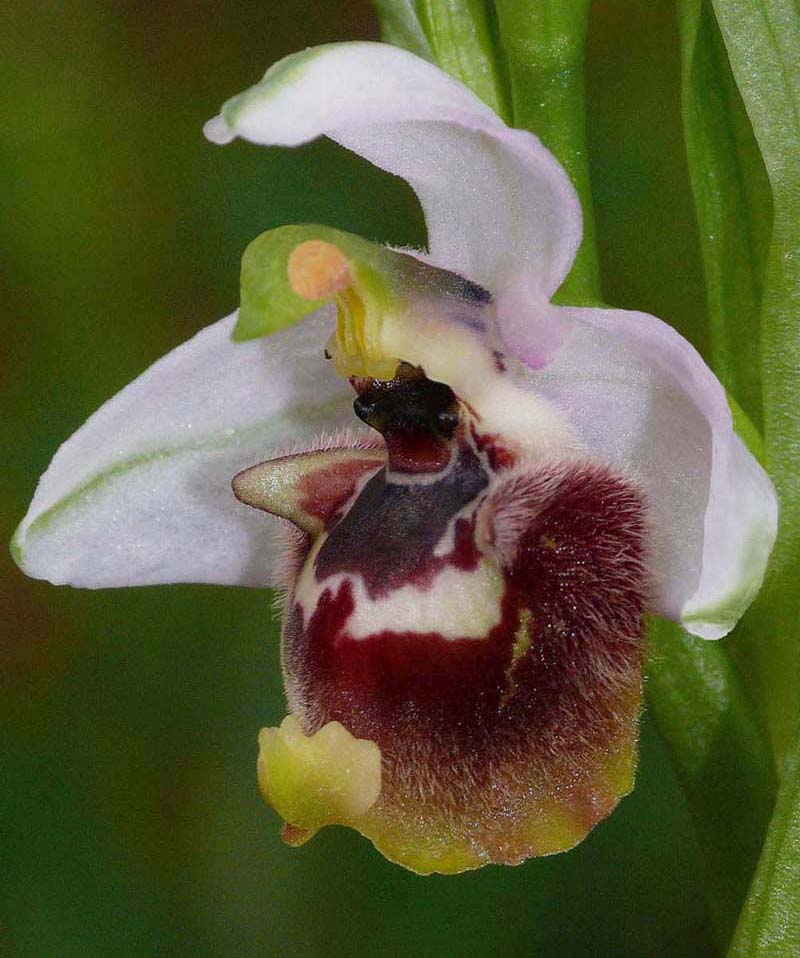
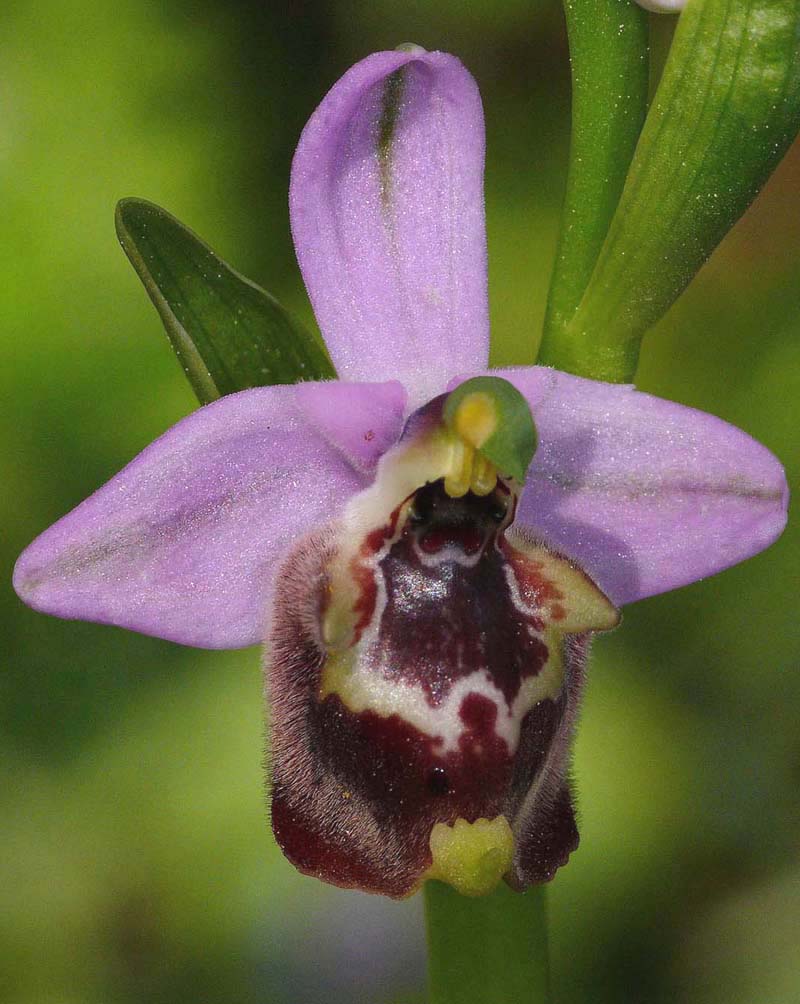
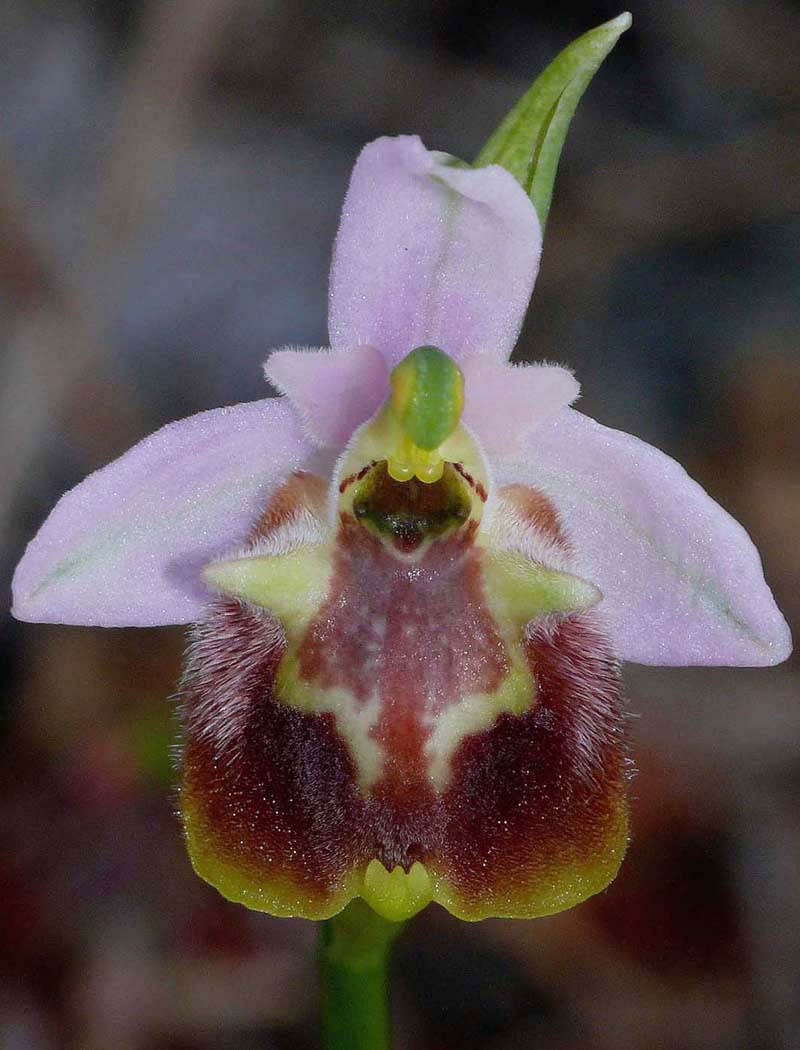
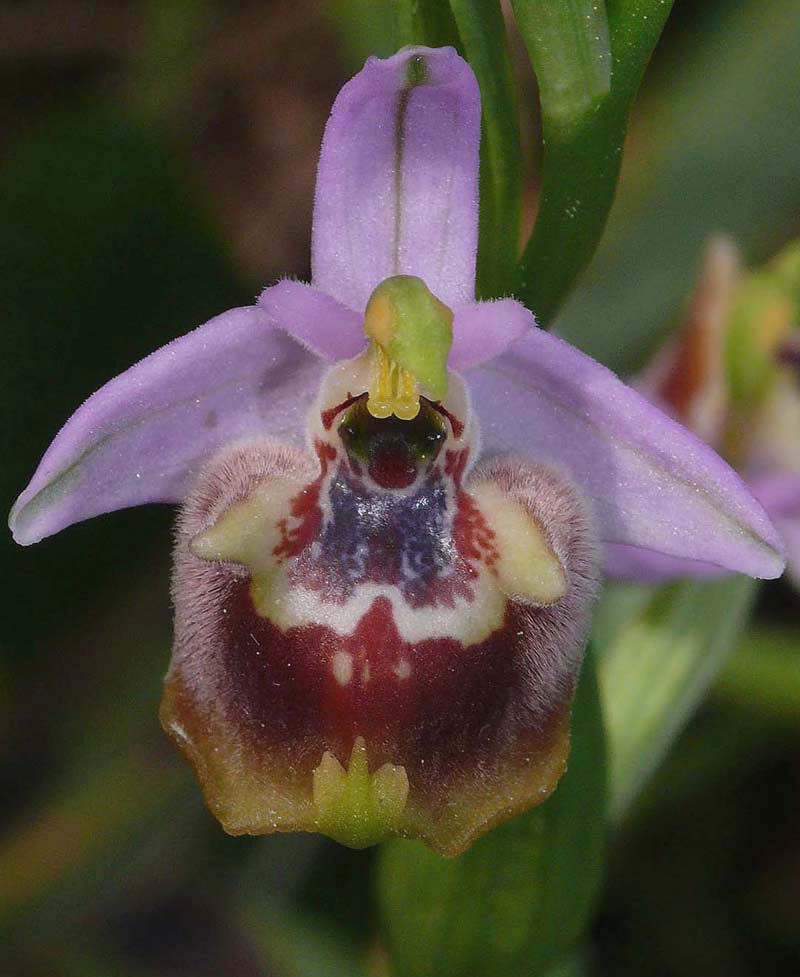
As can be seen from the photos, the species is highly variable in both overall lip shape and speculum pattern. The basic colouration is however somewhat more stable and is typically a chestnut brown to deep red base often with a violet to blue reflection running through it. The pattern is normally edged with a heavy white to pale yellow border (often referred to as candicoid).
O. candica can also be found as far south as Crete and it was from here that it was first described by Greuter, Mathias and Risse in 1985. Its name refers to Candia which was the ancient name of present day Iraklion, the main city of Crete. Quite why it was named after the city of Iraklion having been discovered near the city of Chania at the other end of the island is unknown ? Despite its original discovery in Crete, the centre of its distribution are the islands of Rhodes and Samos where it is relatively common and frequently hybridizes with other of the fuciflorids to create challenging identification opportunities !
As can be seen from the photos, the species is highly variable in both overall lip shape and speculum pattern. The basic colouration is however somewhat more stable and is typically a chestnut brown to deep red base often with a violet to blue reflection running through it. The pattern is normally edged with a heavy white to pale yellow border (often referred to as candicoid).
O. candica always features basal swellings though
these can be of variable appearance,
ranging from
barely noticable to elongated horns. Where these horns are
significantly long the species is deemed to be variety minoa but at what horn length the type becomes the variety
we don't know.

.