A. morio was first described from Germany in 1753 and
for much of its time was thought of as an Orchis until being reclassified into the Anacamptis genus in the late 20th century. Its name obscurely means "jester".
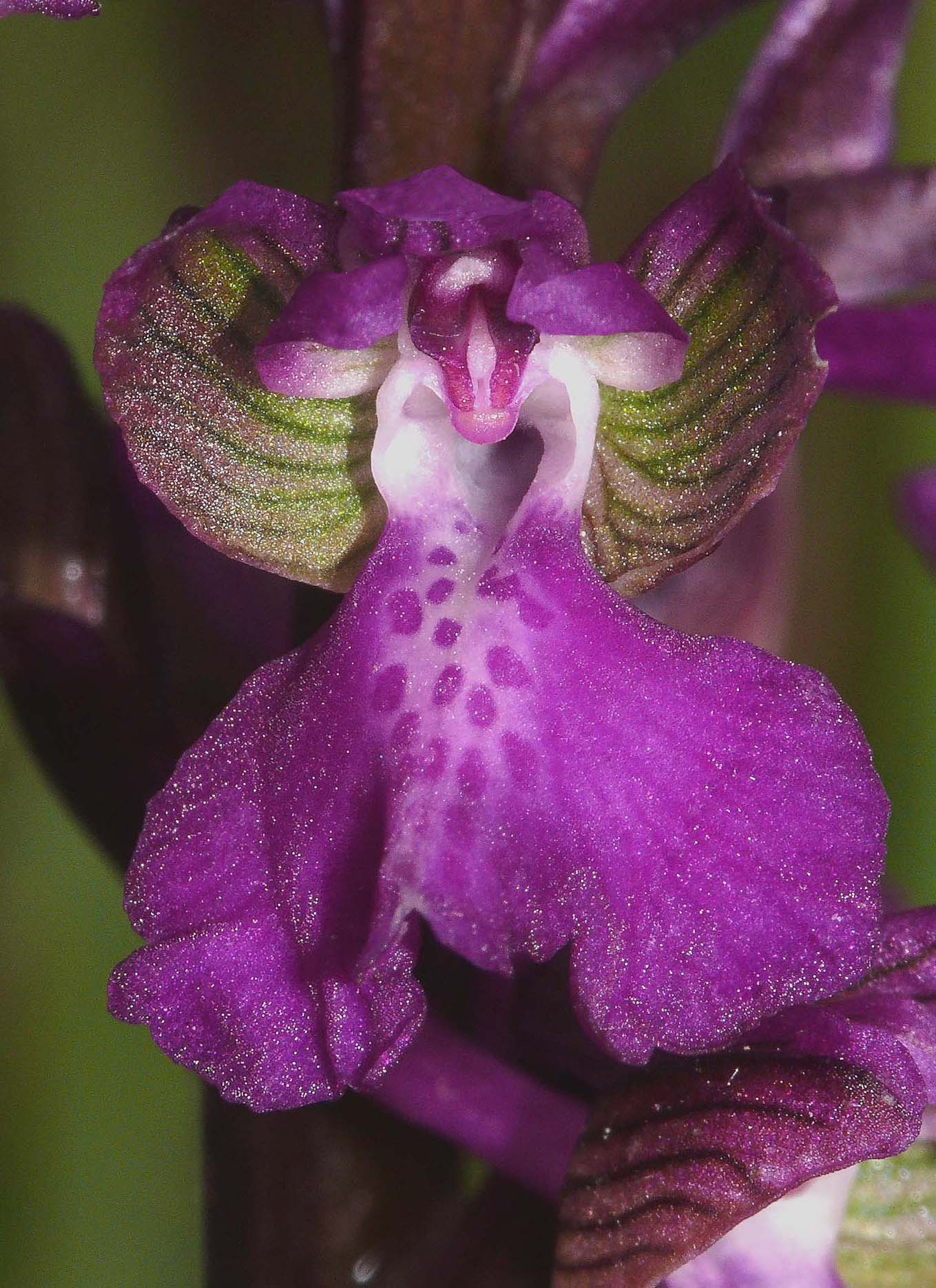
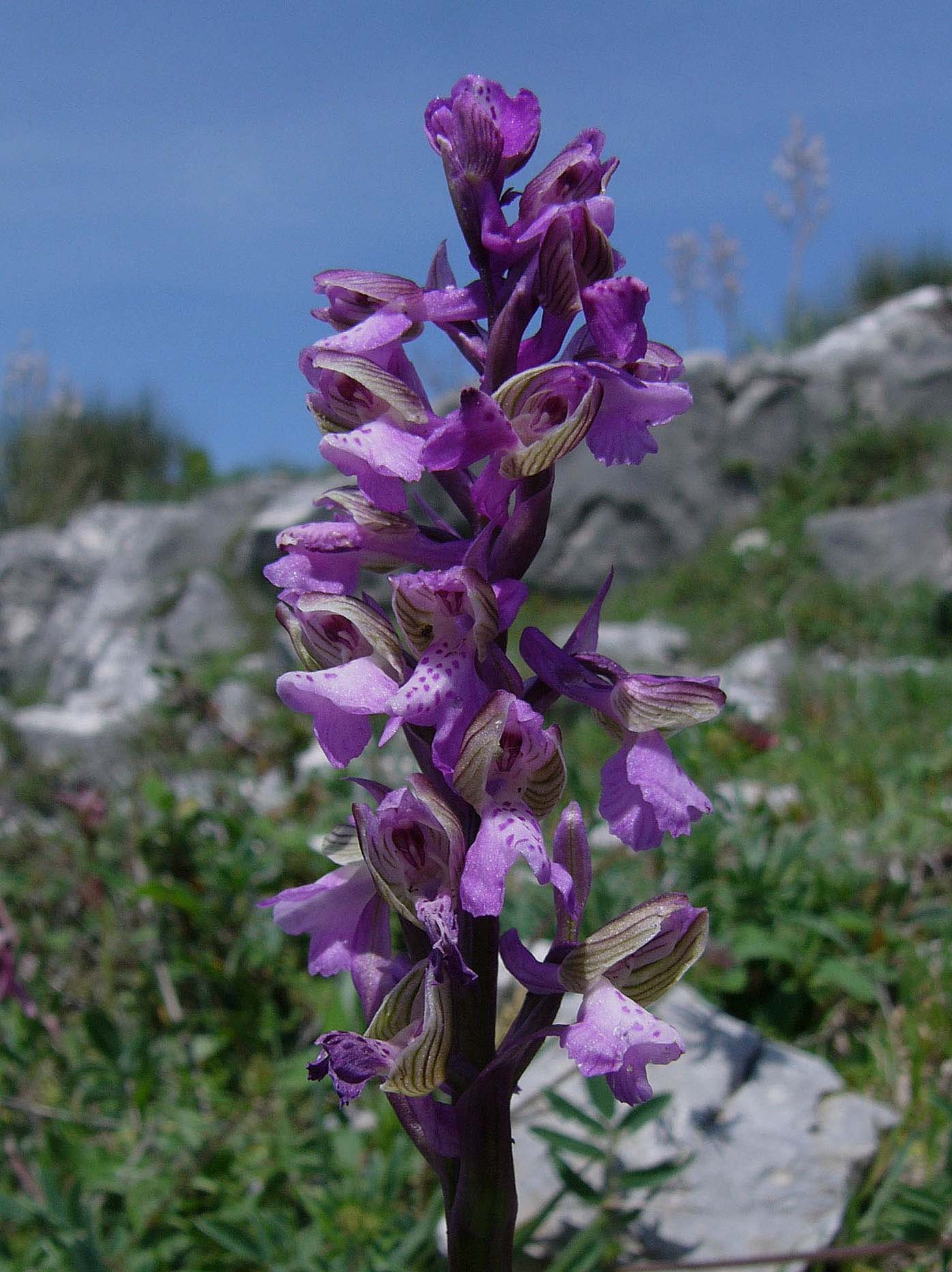
Typical A. morio, commonly known as the Green Winged Orchid has several distinct features which set it apart from the similar A. picta . Unfortunately however, a typical specimen is not always easy to find and identification can often based purely on the balance of probabilities. The following features are accepted as being characteristic :- 1. the plant is generally taller and more sturdy than A. picta. 2. the inflorescence is longer and denser. 3. the lip is strongly reflexed and presents a thin frontal profile. 4. it seems far less tolerant of calcareous soils and much prefers neutral substrates. 5. The spur is shorter, stouter and less curved.
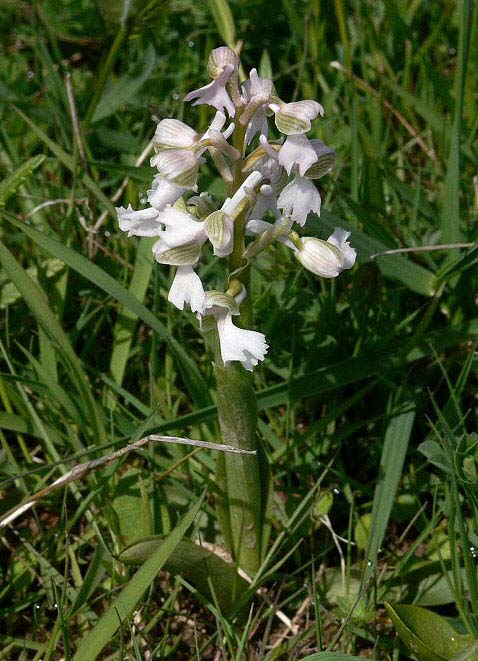
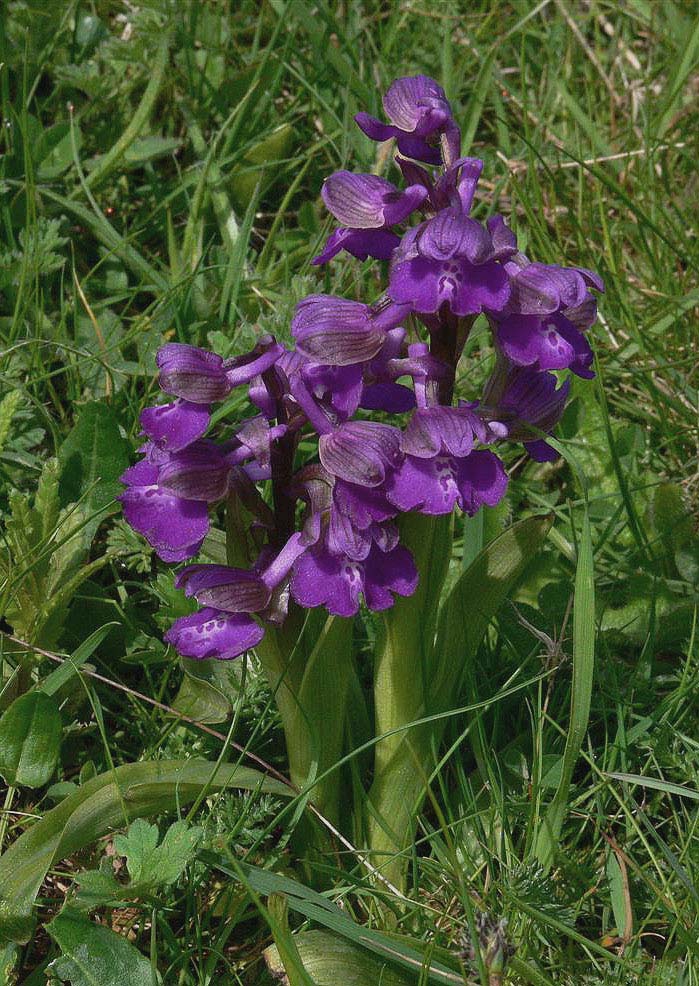
None of the continental illustrations here could be described as entirely typical though to a greater or lesser
degree they do all show the centrally folded back flower lip. A. morio is certainly polytypical and probably heterogenus with populations varying from one another to a degree that must bring into question the reliability of
its species status and its relationship to A. picta. Its distribution is extensive, though poorly established
due to the identification difficulties mentioned above, it is present in Britain and northern Europe but becomes
increasingly less frequent in southern areas of Europe where A. picta becomes predominant.
This species has a remarkable habitat tolerance and will grow in almost marsh like conditions as well as in chalk meadows. Classically however its a species of open grassland on neutral soils where it is arguably one of Europes most abundant and widespread orchids. The pictures here are from Italy, Chios and Lesbos and date from the first two weeks of April.
Typical A. morio, commonly known as the Green Winged Orchid has several distinct features which set it apart from the similar A. picta . Unfortunately however, a typical specimen is not always easy to find and identification can often based purely on the balance of probabilities. The following features are accepted as being characteristic :- 1. the plant is generally taller and more sturdy than A. picta. 2. the inflorescence is longer and denser. 3. the lip is strongly reflexed and presents a thin frontal profile. 4. it seems far less tolerant of calcareous soils and much prefers neutral substrates. 5. The spur is shorter, stouter and less curved.
None of the continental illustrations here could be described as entirely typical though to a greater or lesser
degree they do all show the centrally folded back flower lip. A. morio is certainly polytypical and probably heterogenus with populations varying from one another to a degree that must bring into question the reliability of
its species status and its relationship to A. picta. Its distribution is extensive, though poorly established
due to the identification difficulties mentioned above, it is present in Britain and northern Europe but becomes
increasingly less frequent in southern areas of Europe where A. picta becomes predominant.
This species has a remarkable habitat tolerance and will grow in almost marsh like conditions as well as in chalk meadows. Classically however its a species of open grassland on neutral soils where it is arguably one of Europes most abundant and widespread orchids. The pictures here are from Italy, Chios and Lesbos and date from the first two weeks of April.
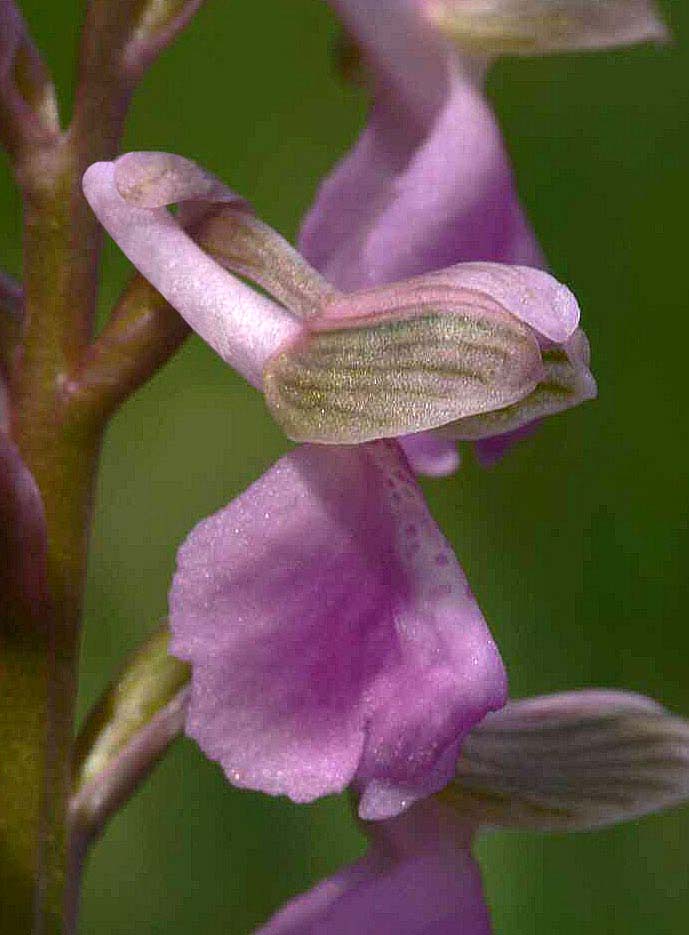
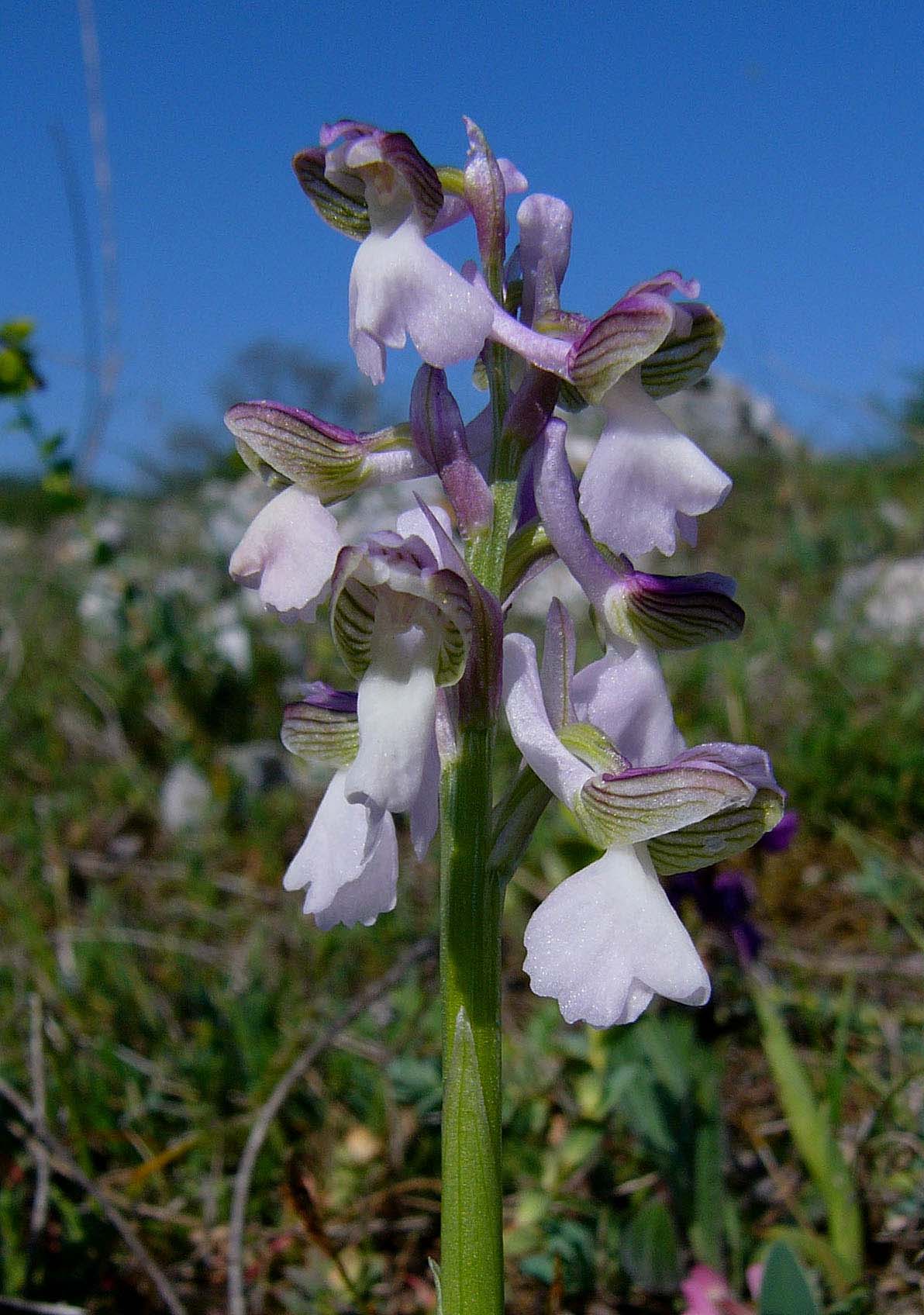
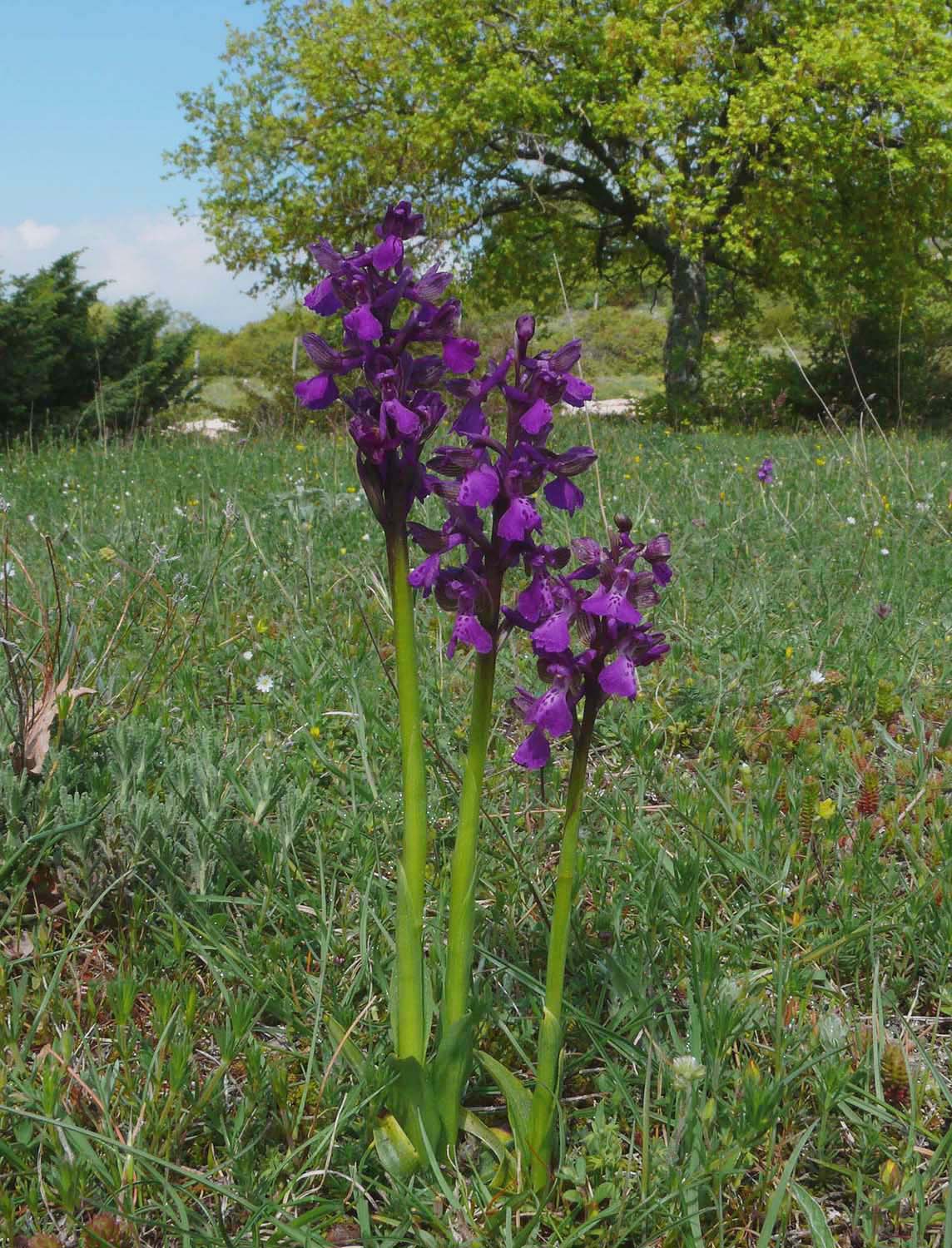
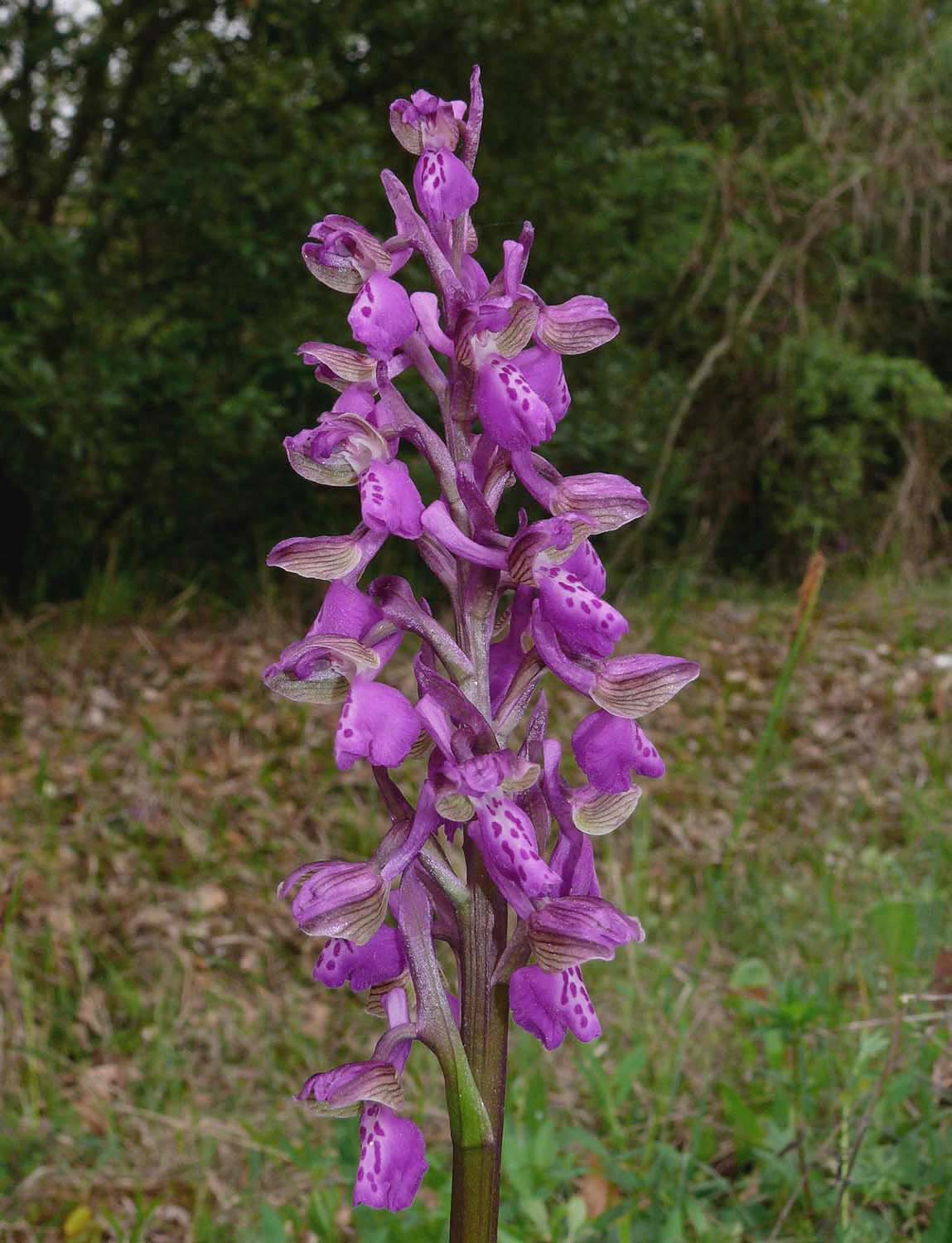
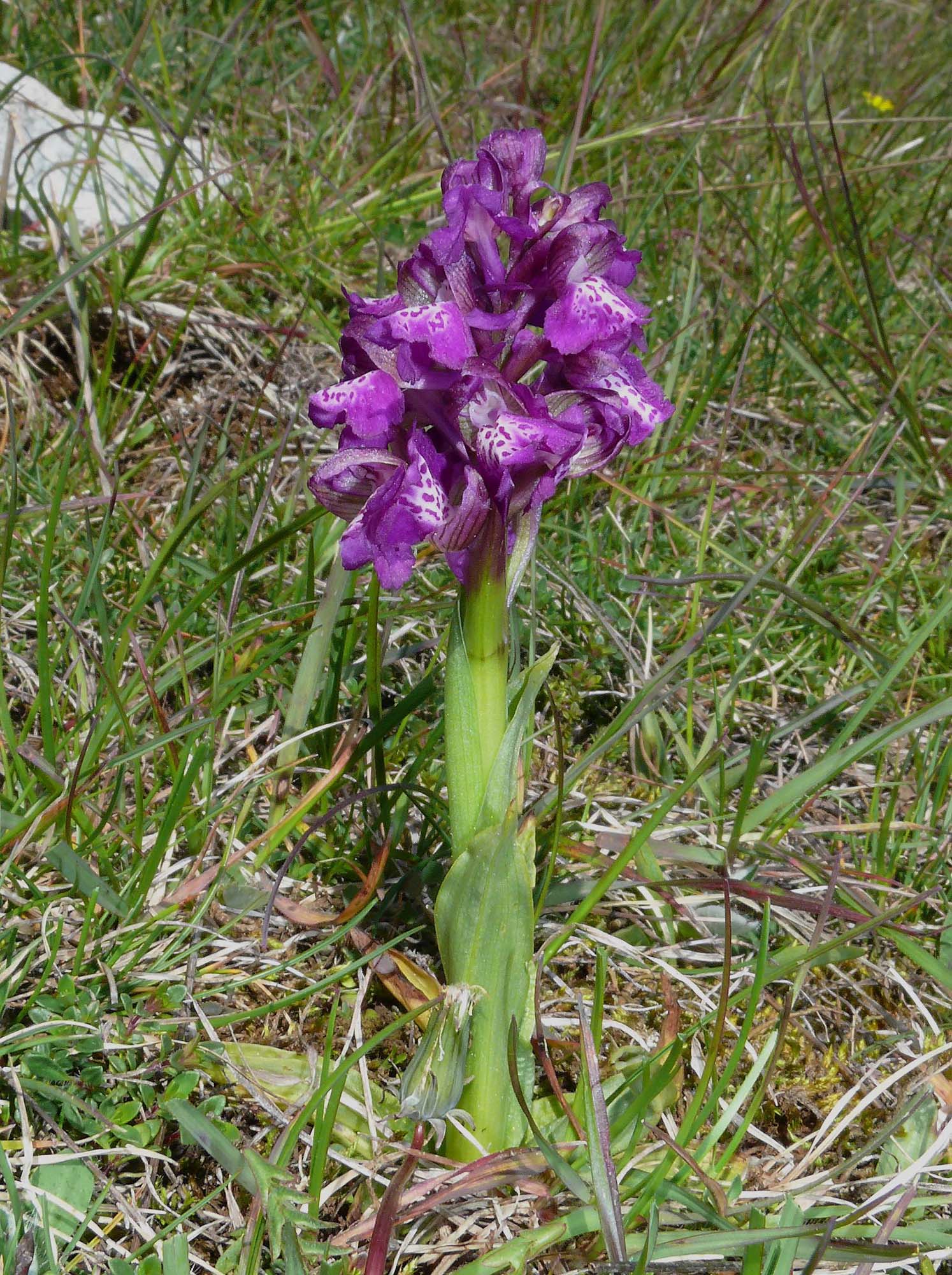
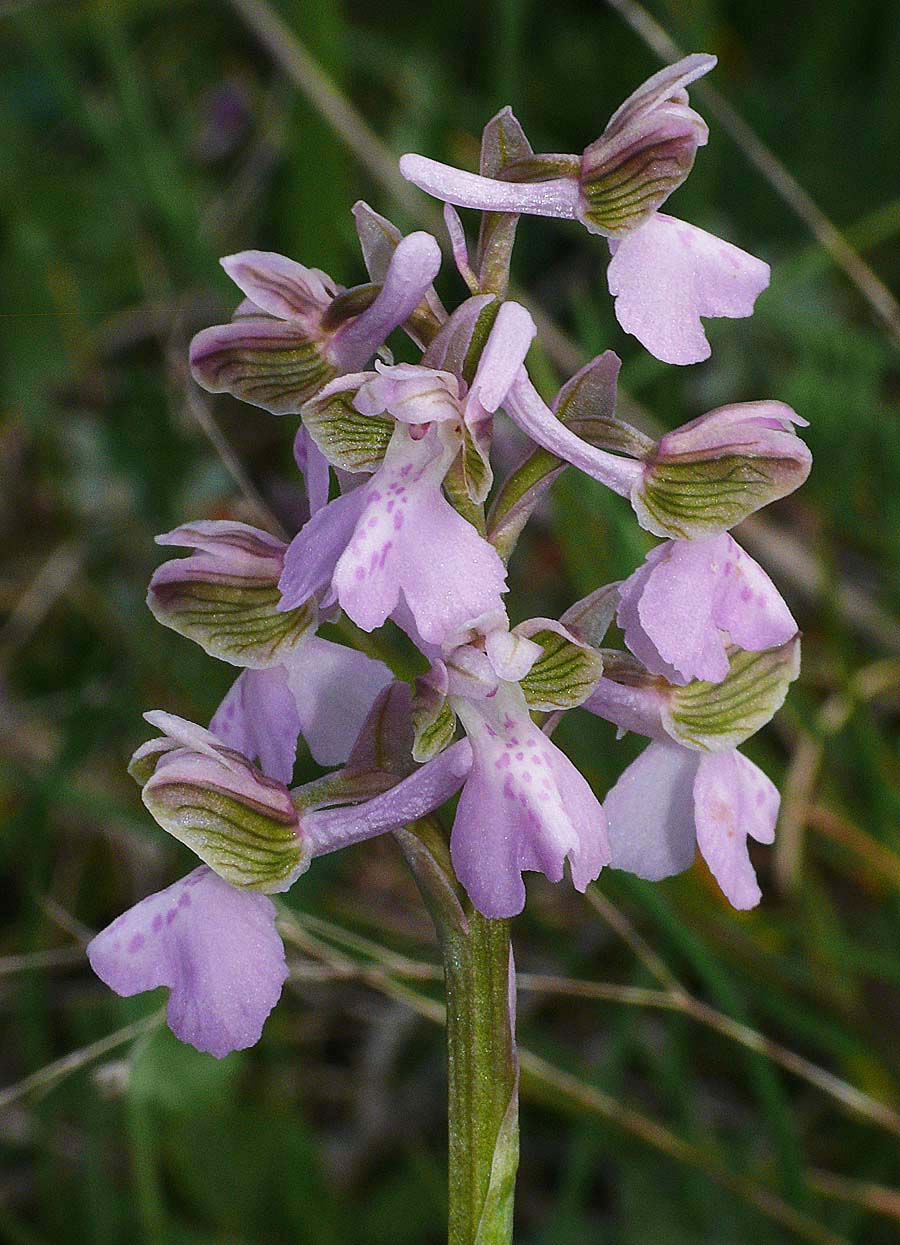

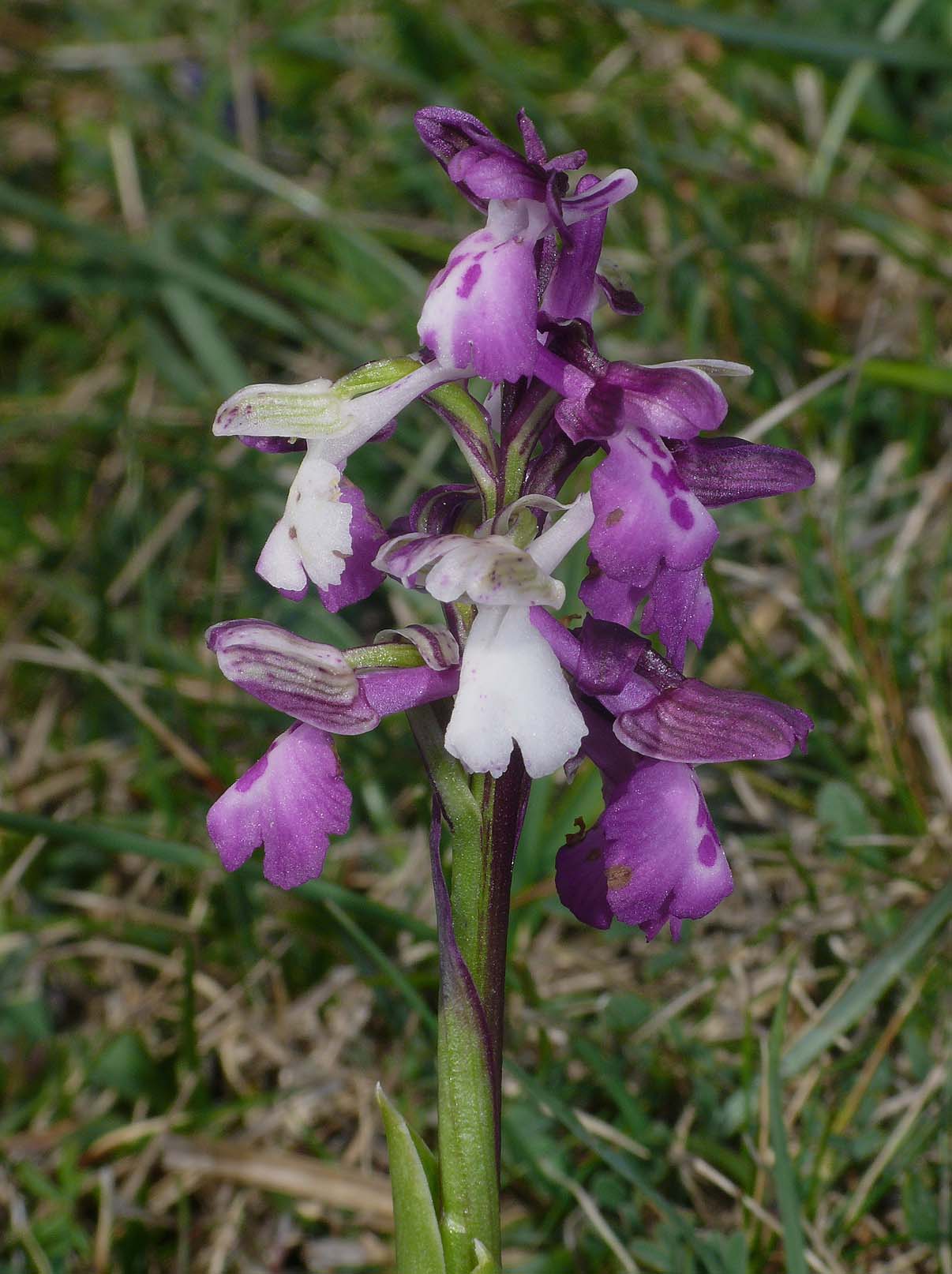
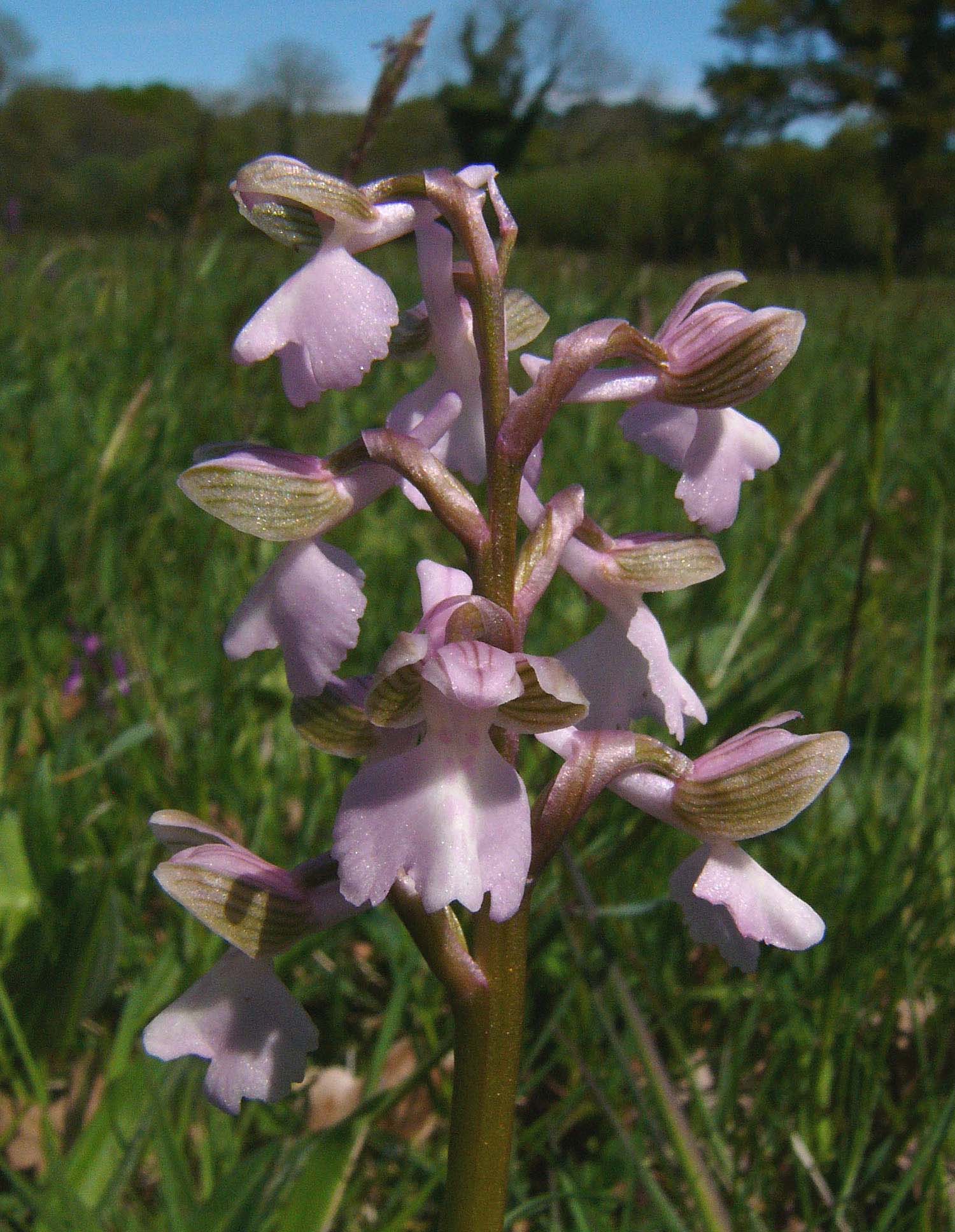
This second group of pictures are all from Dorset (Britain) and illustrate the range that can occur within one colony. They are all fairly typical with the
exception of photo 2 where the lip margins are flared instead of folded back.