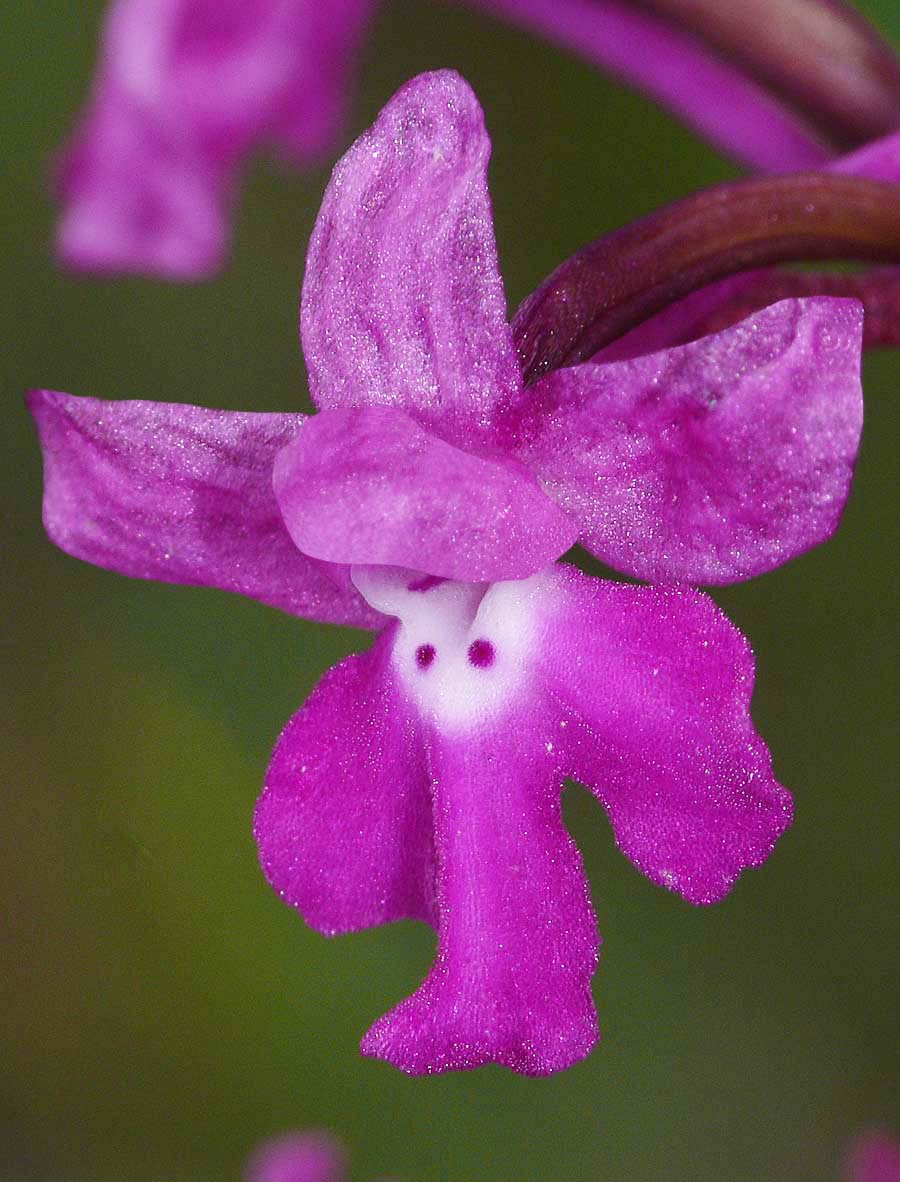
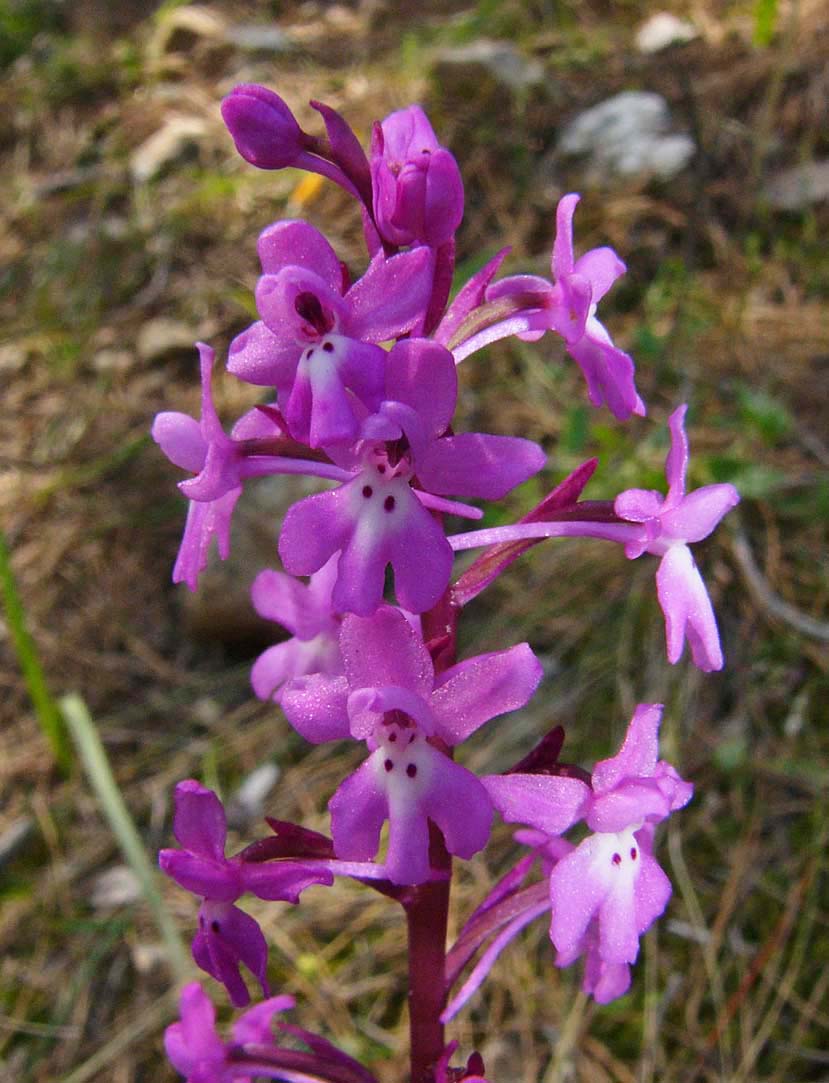
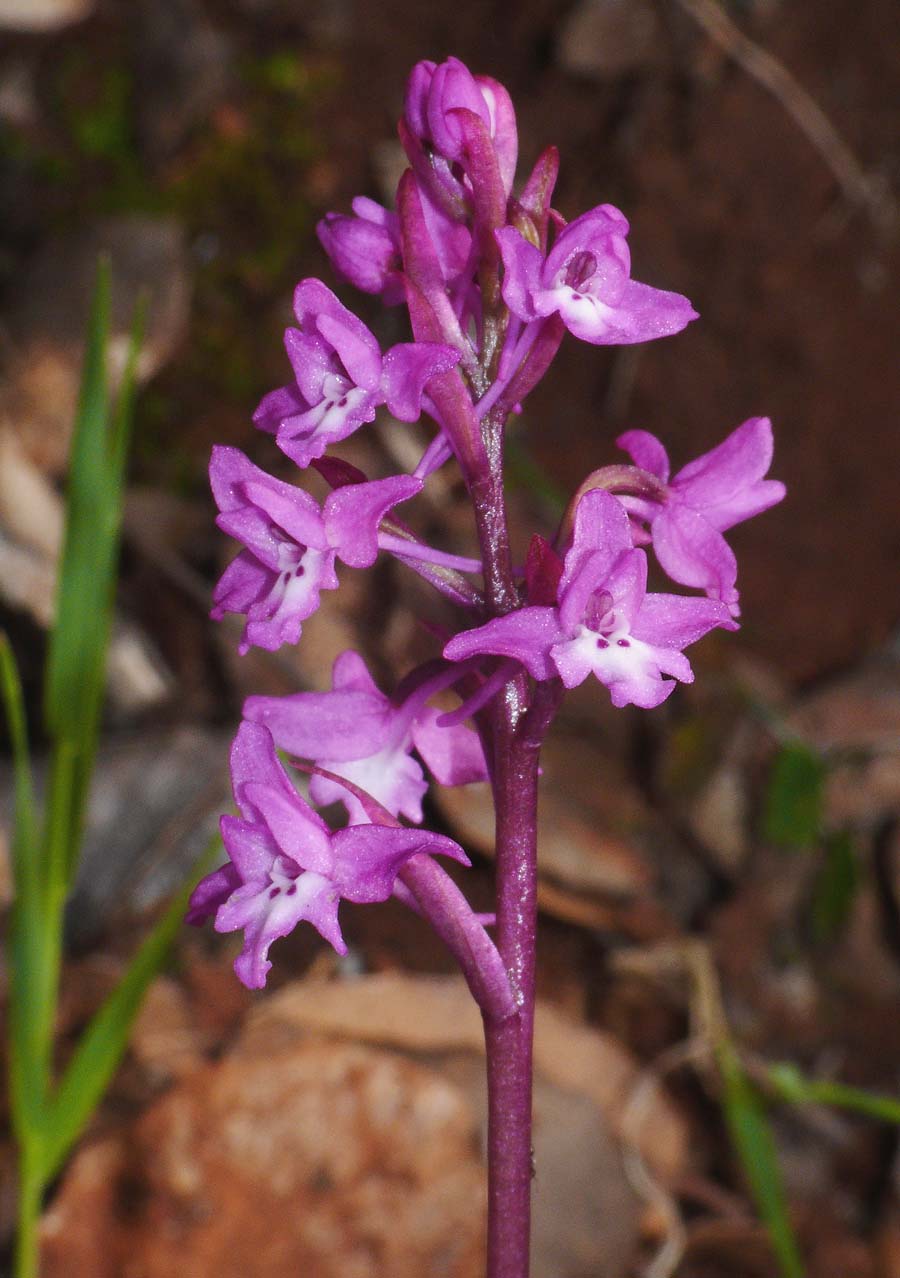
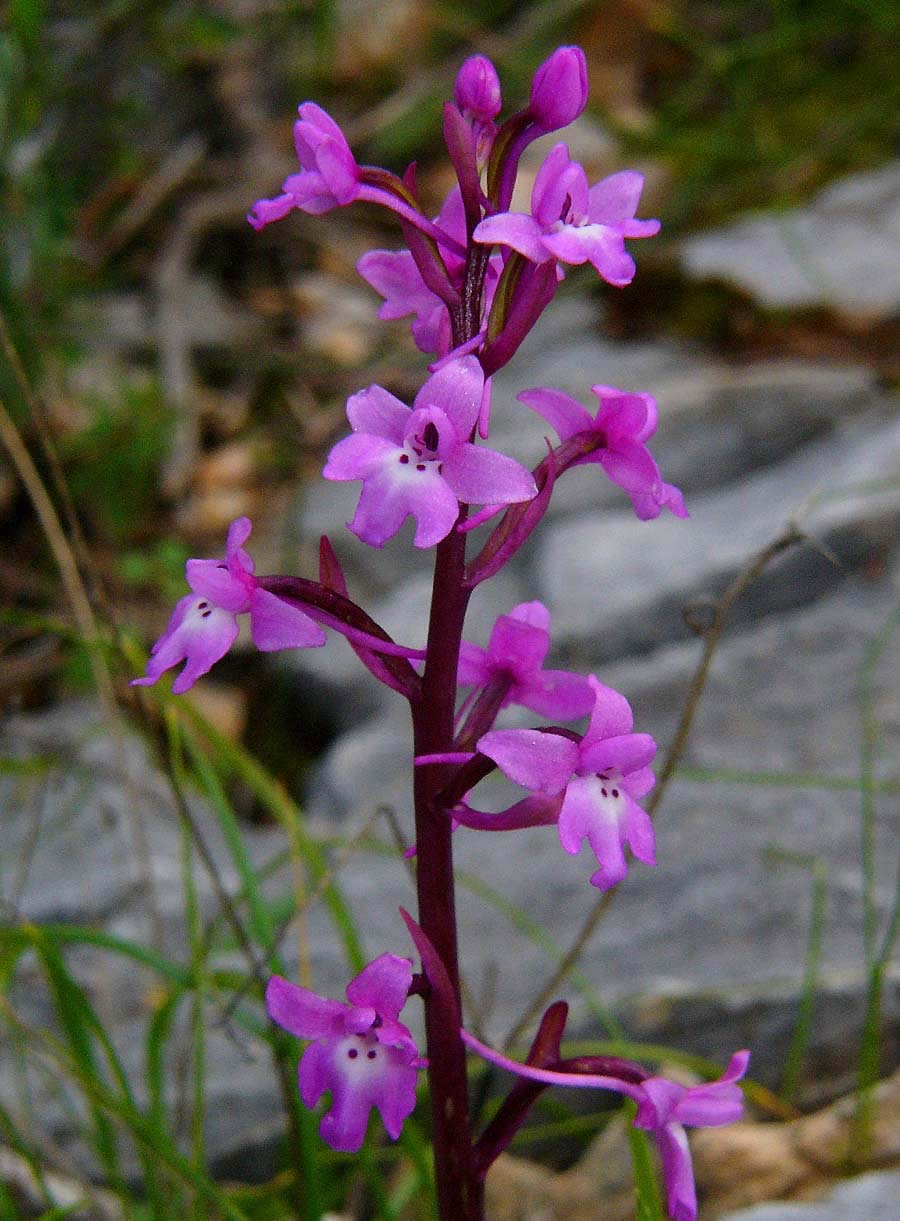
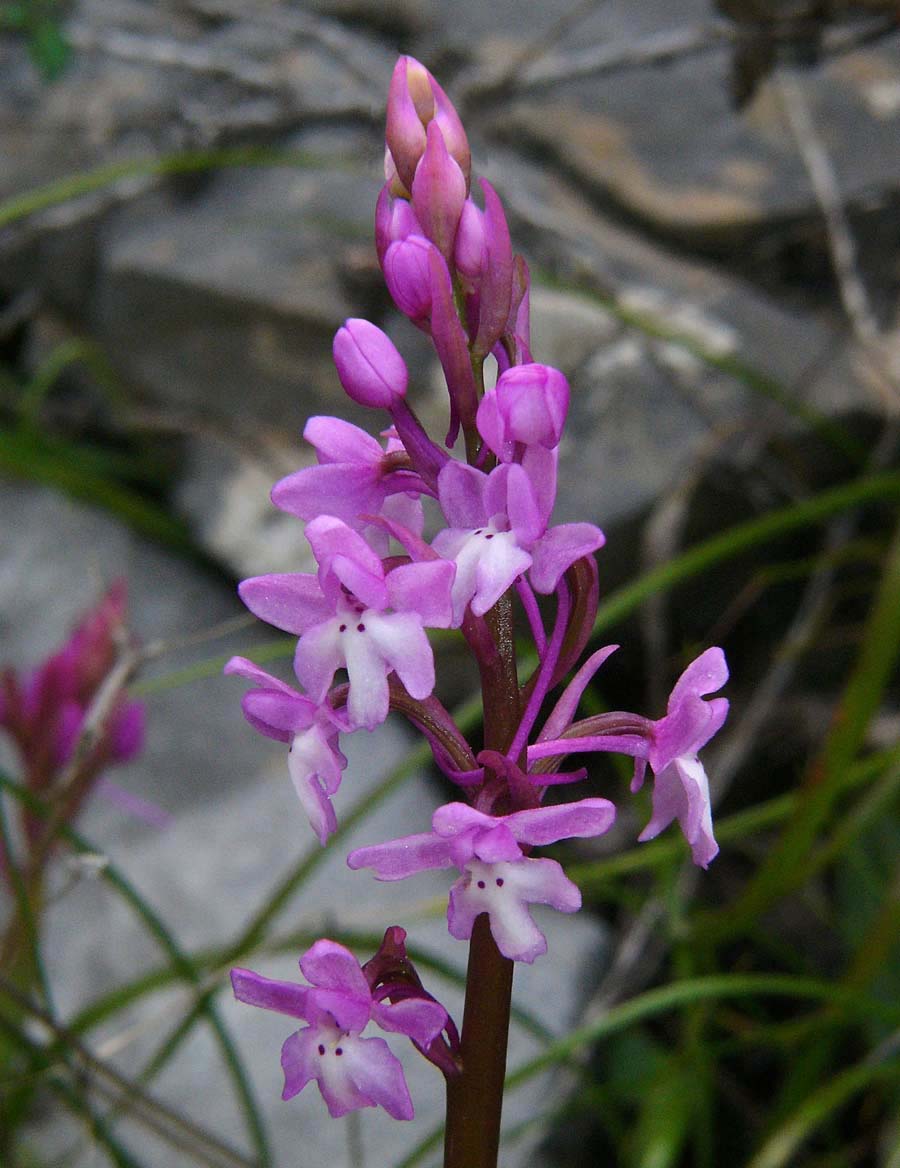
O. quadripunctata gained its name from the four dark dots at the centre of the lip. Whilst the species is noted for and commonly demonstrates this feature, it cannot however be taken as a given as these dots may be either reduced or increased in number, merged or rarely absent.
This species belongs to the 23 strong O. mascula group and was first described from Naples in the early nineteenth century. It is a very familiar orchid to travelers in the central and eastern Mediterranean, showing a distinct preference for hilly or mountainous habitats, particularly in light woodland. O. quadripunctata has a widespread distribution but there can be large and unaccountable gaps where it is either absent or extremely rare. Despite being common in Gargano it is relatively rare throughout the rest of Italy and replaced altogether in Sicily and Sardinia by O. brancifortii which is itself a rarity.
Its heartland is Greece and the Aegean where it can form large if somewhat loose colonies that will readily hybridize with neighbouring Orchis and particularly O. pauciflora , which given similar habitat preferences, frequently grow in close association. The populations in Crete, Cyprus and Anatolia have recently been the subject of close study and it has been noted that some populations are undoubtedly of hybrid origin, having been genetically influenced by O. anatolica, O. sitiaca or O. troodi depending on location. These plants have been reclassified as either O. sezikiana or O. x sezikiana depending on the authority. The prevailing view seems to be that they have not yet stabilised into a distinct species and are generally not yet leading a completely isolated existence away from parental influence.
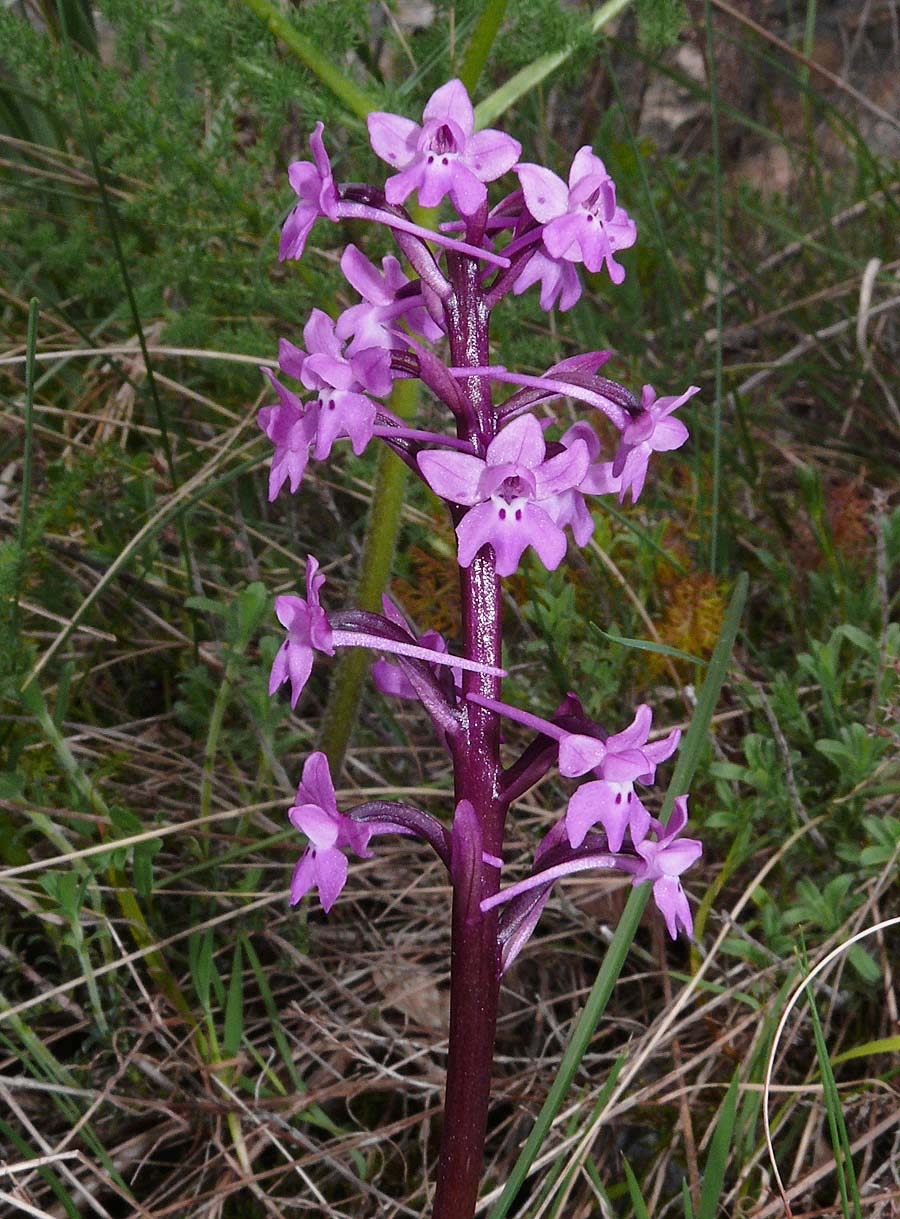
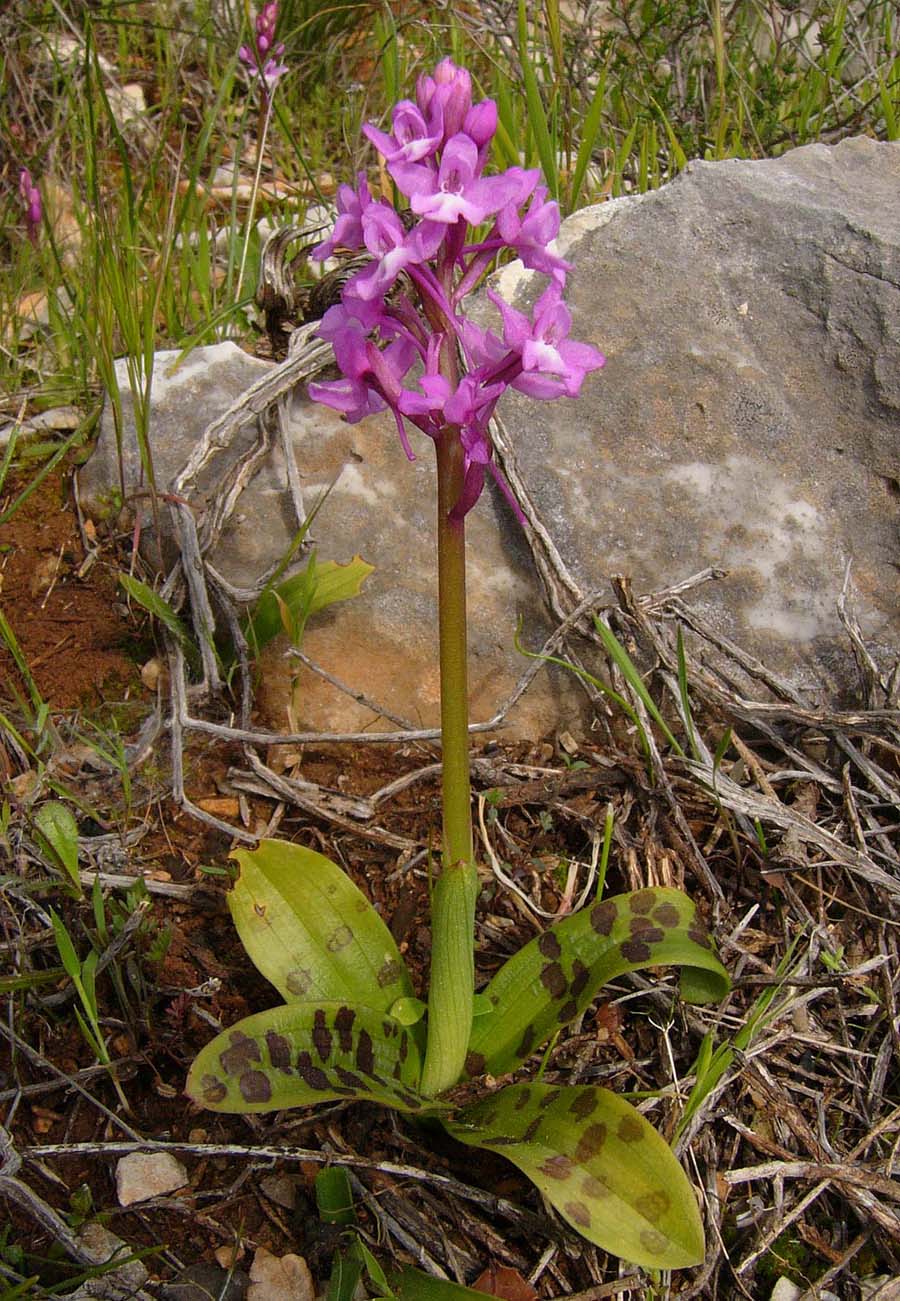
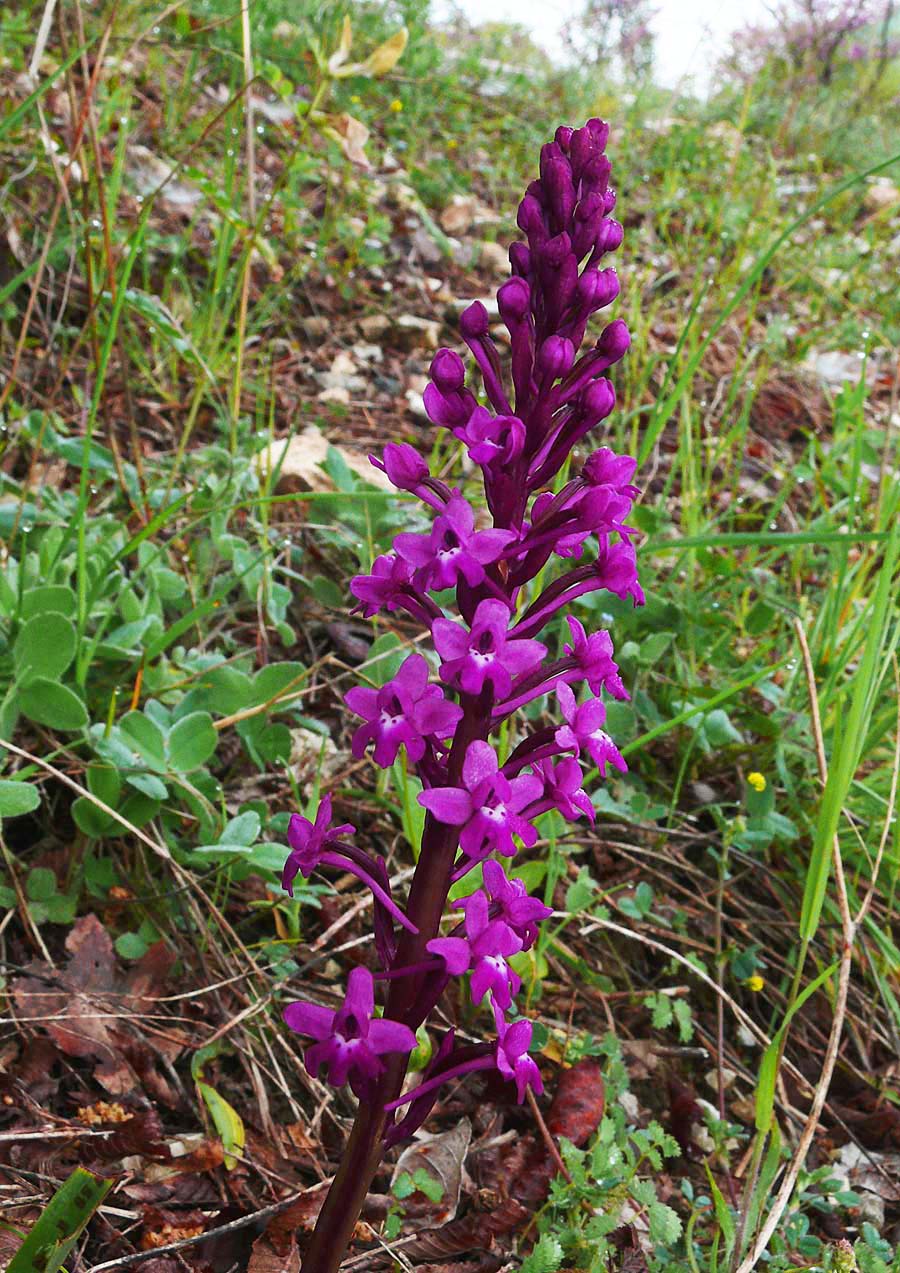
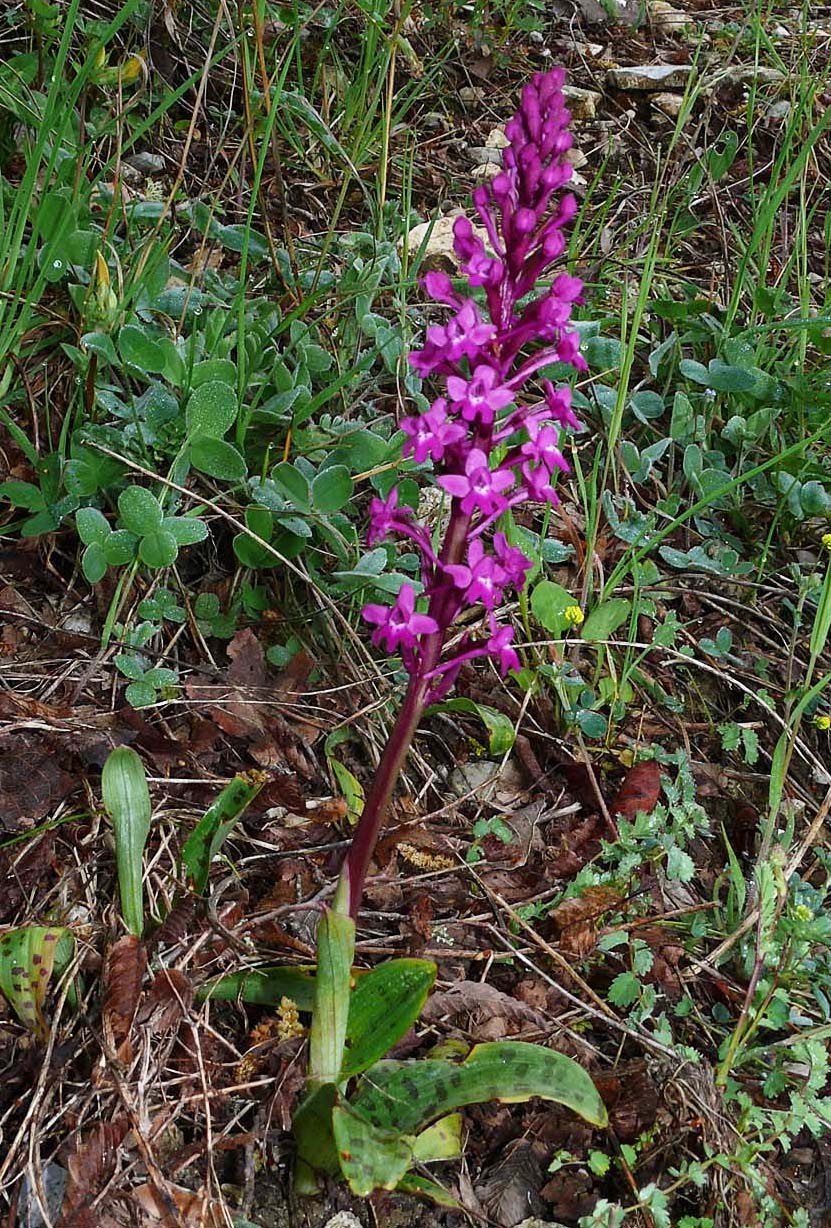
Illustrations are from various sites in Greece and Cilento National Park, Italy, dating from mid April .



.