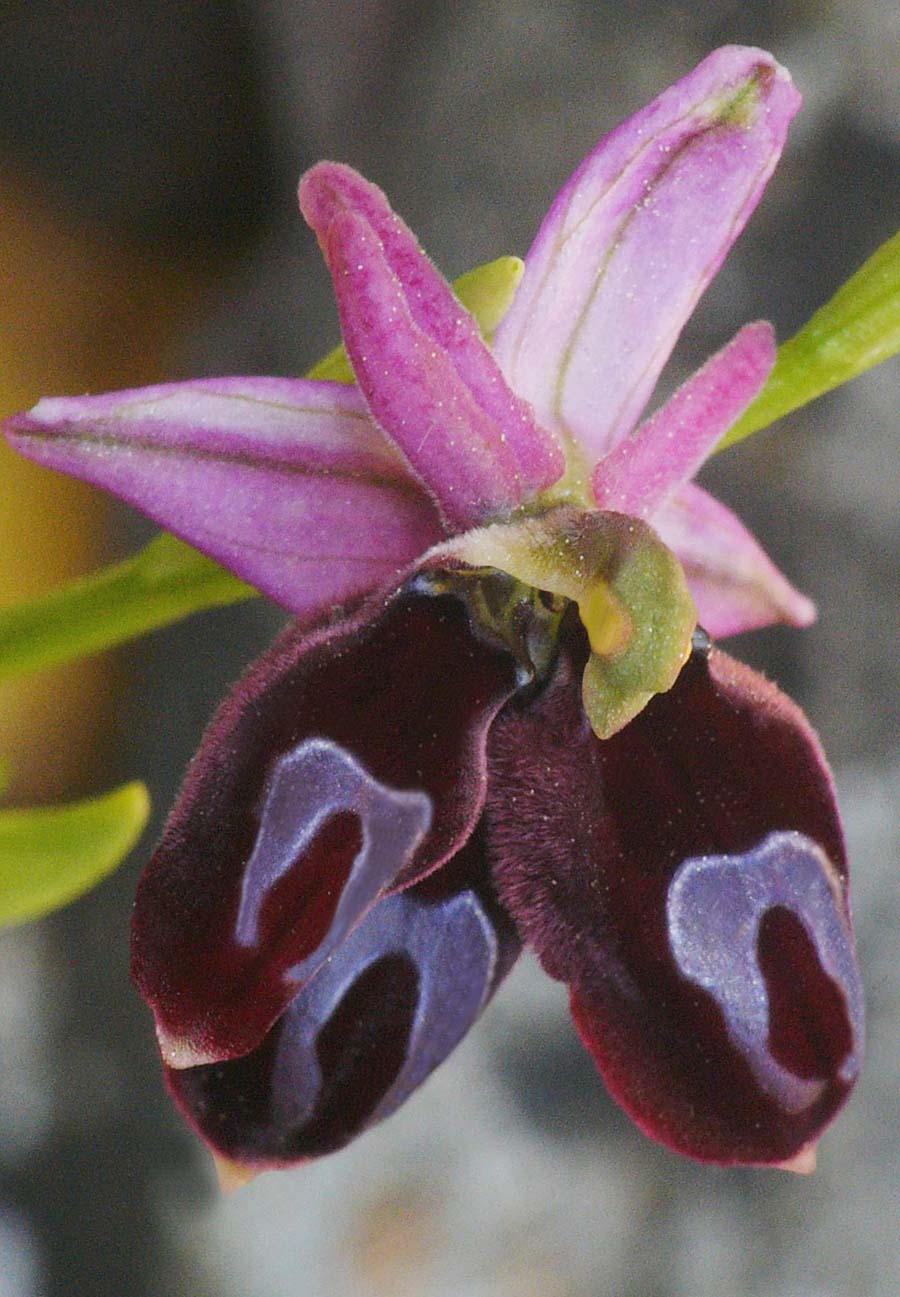
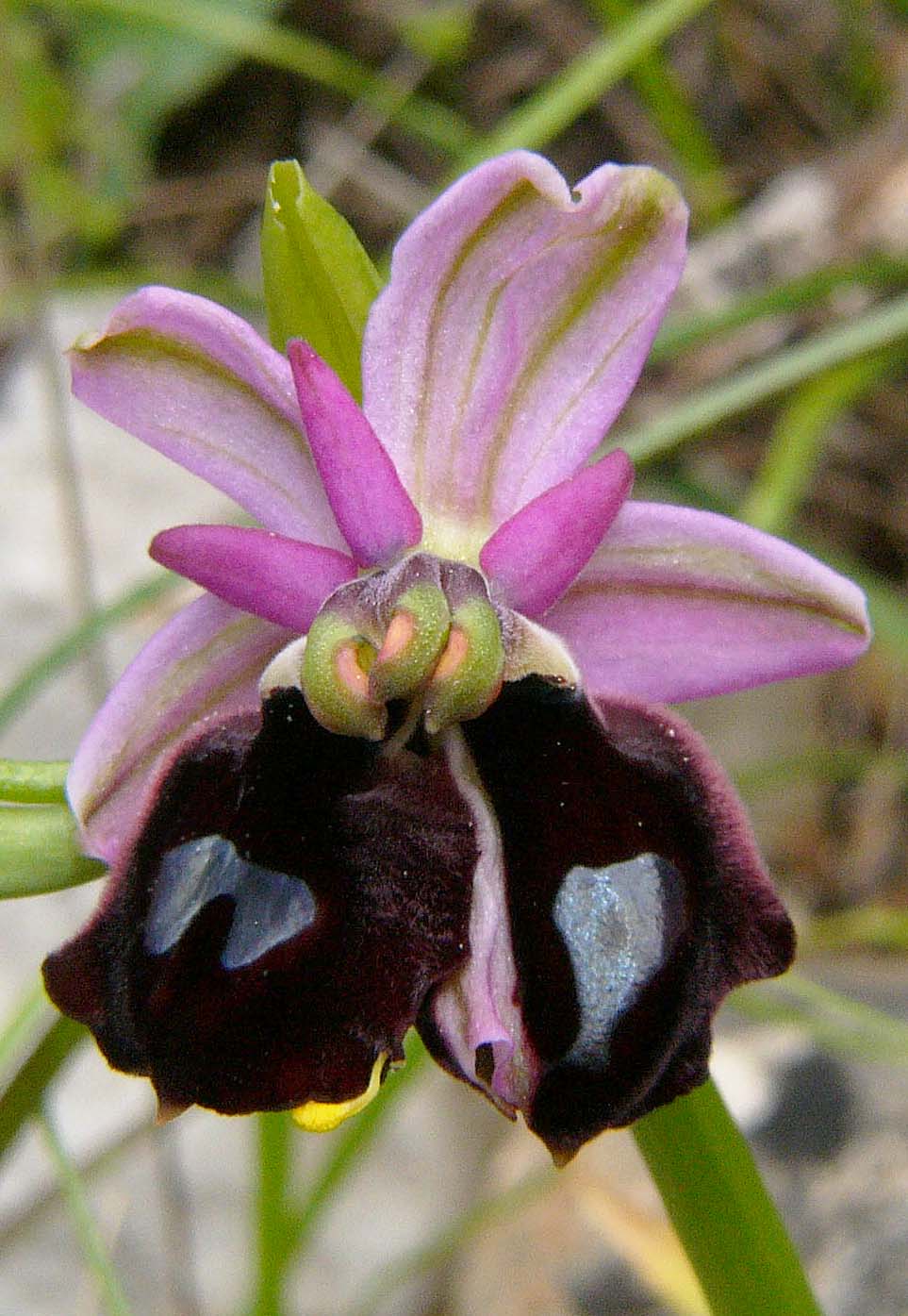
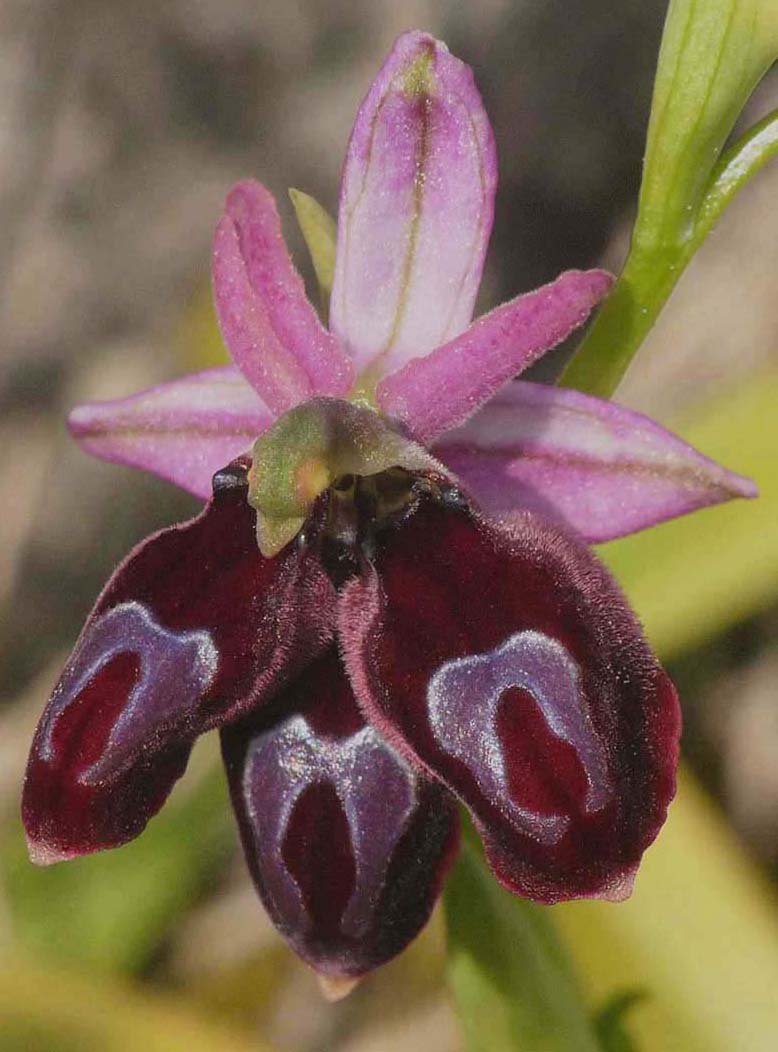
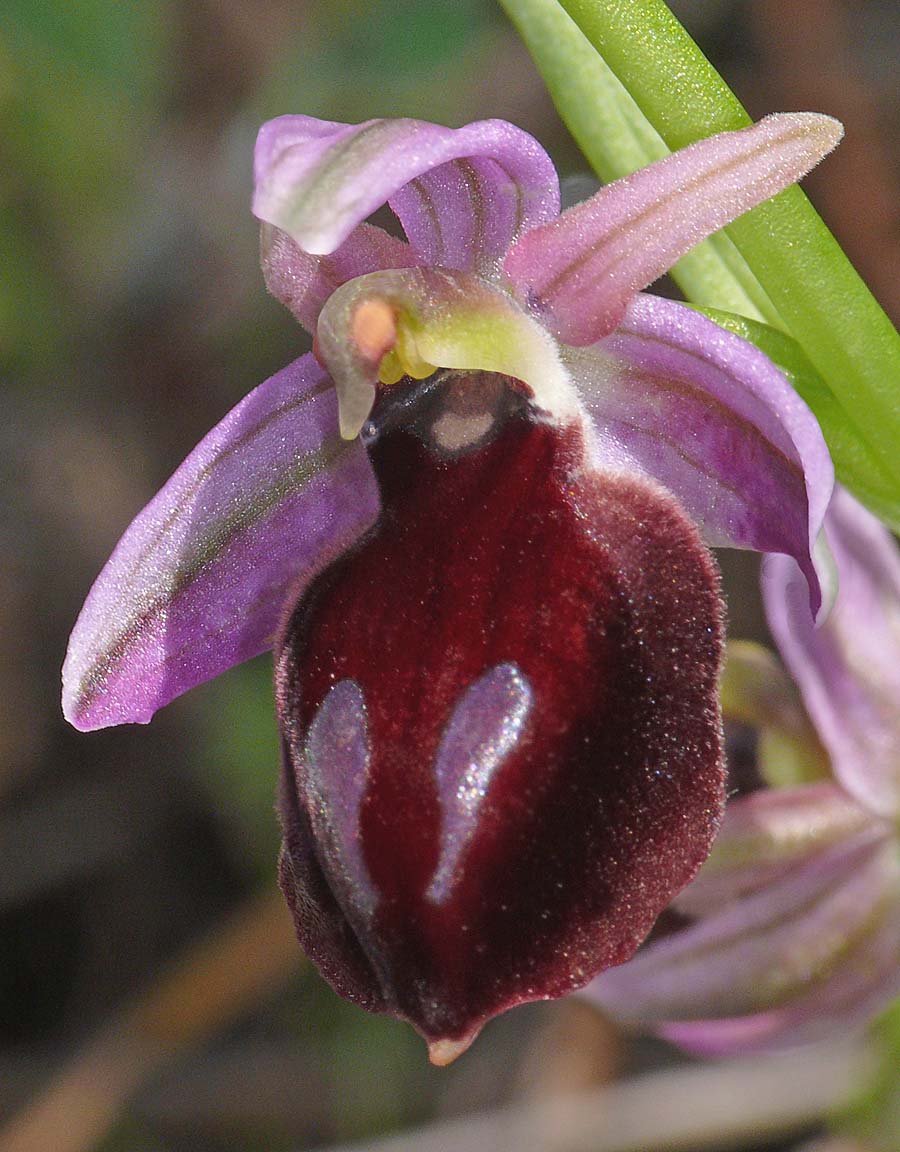
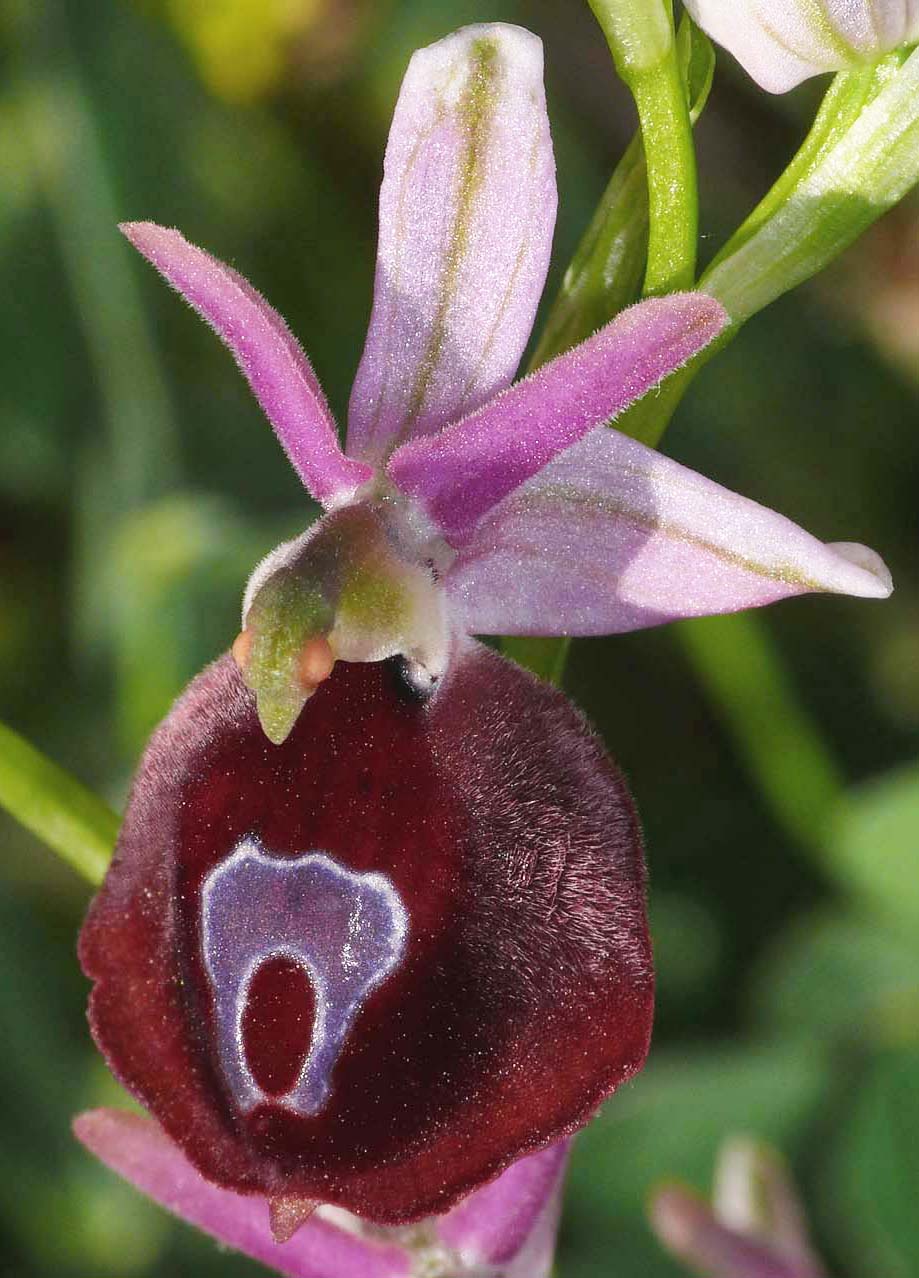
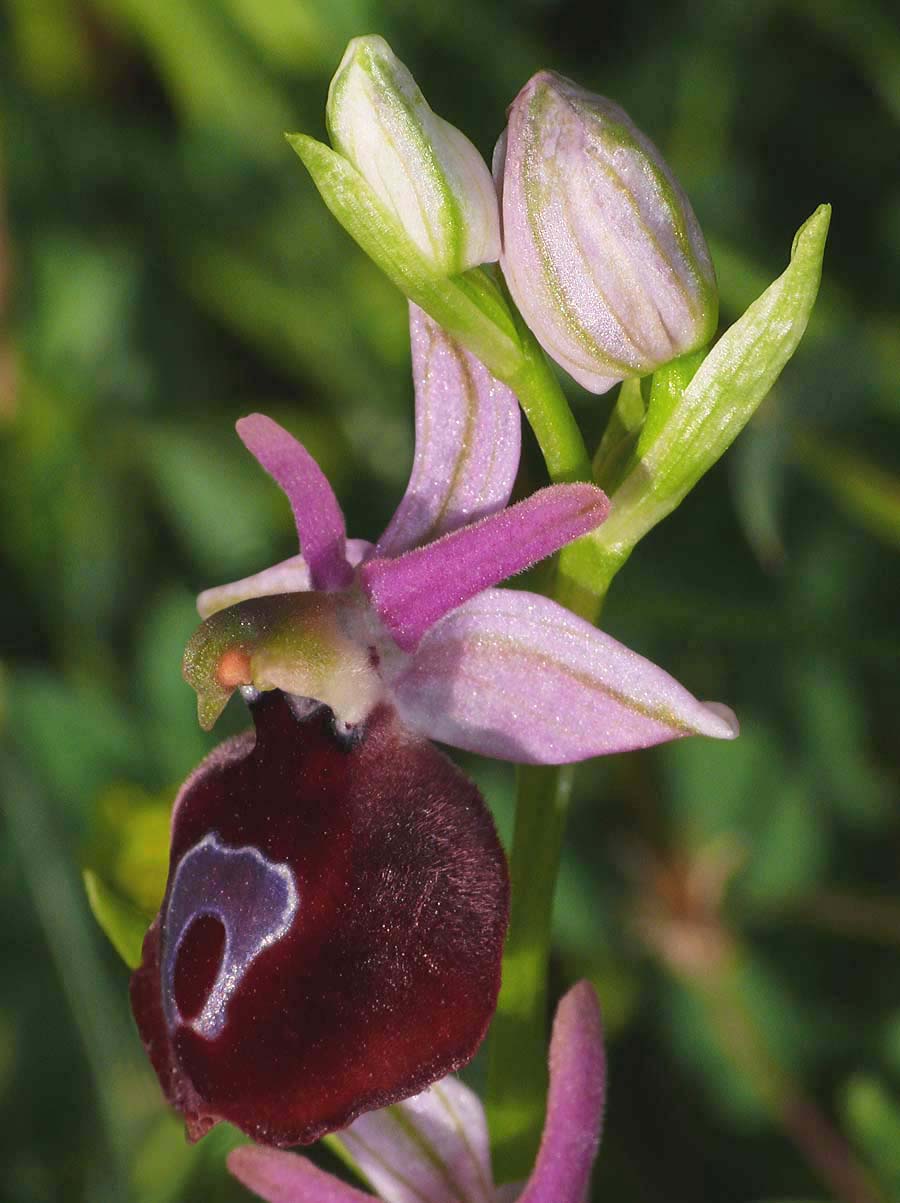
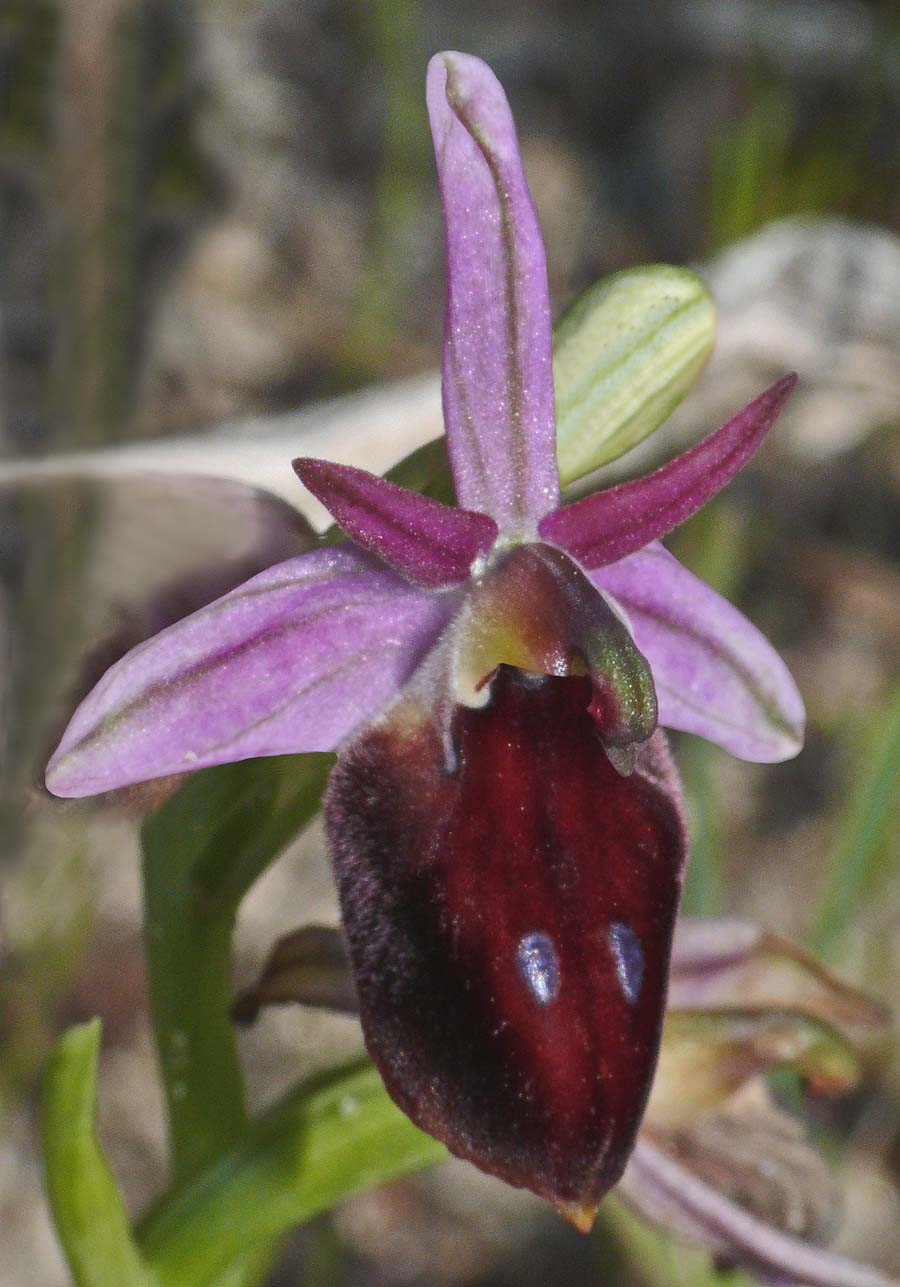
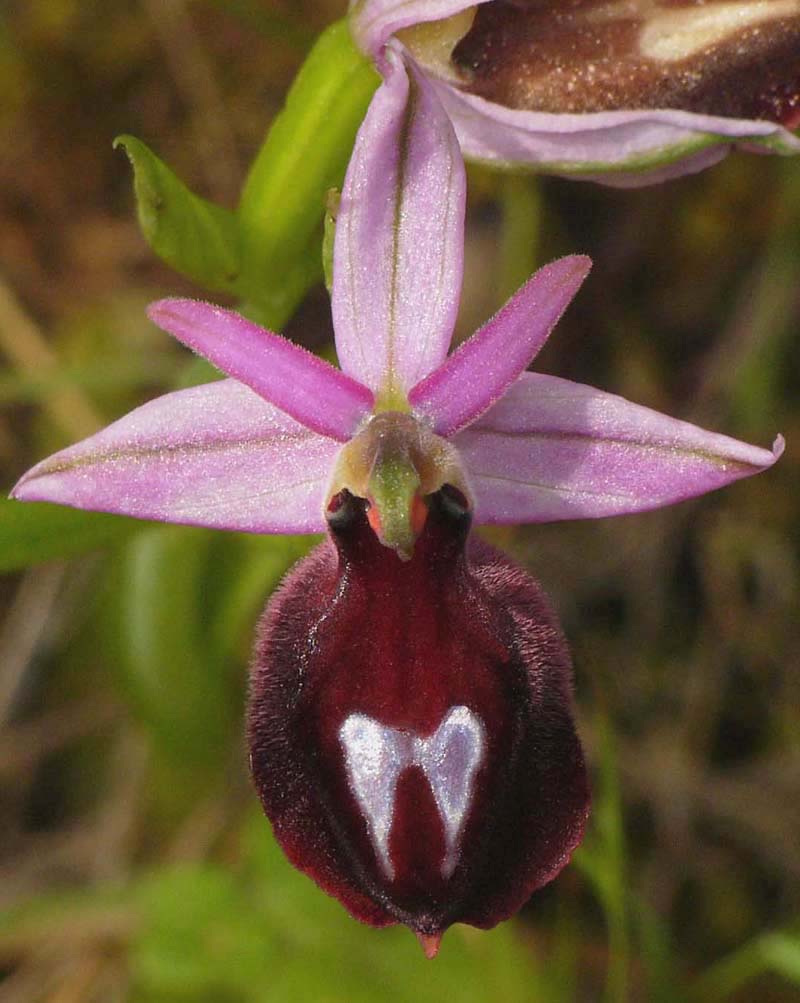
O. ferrum-equinum was first described by Desfontaines from Samos in 1807 and its name refers to the horseshoe shaped speculum pattern. This is a relatively stable characteristic of the species, though as can be seen from the photographs it can be variable. The species is essentially a Greek orchid although it also occurs in Anatolia and sparingly in neighbouring Albania. It is a member of the large O. mammosa group of Ophrys.
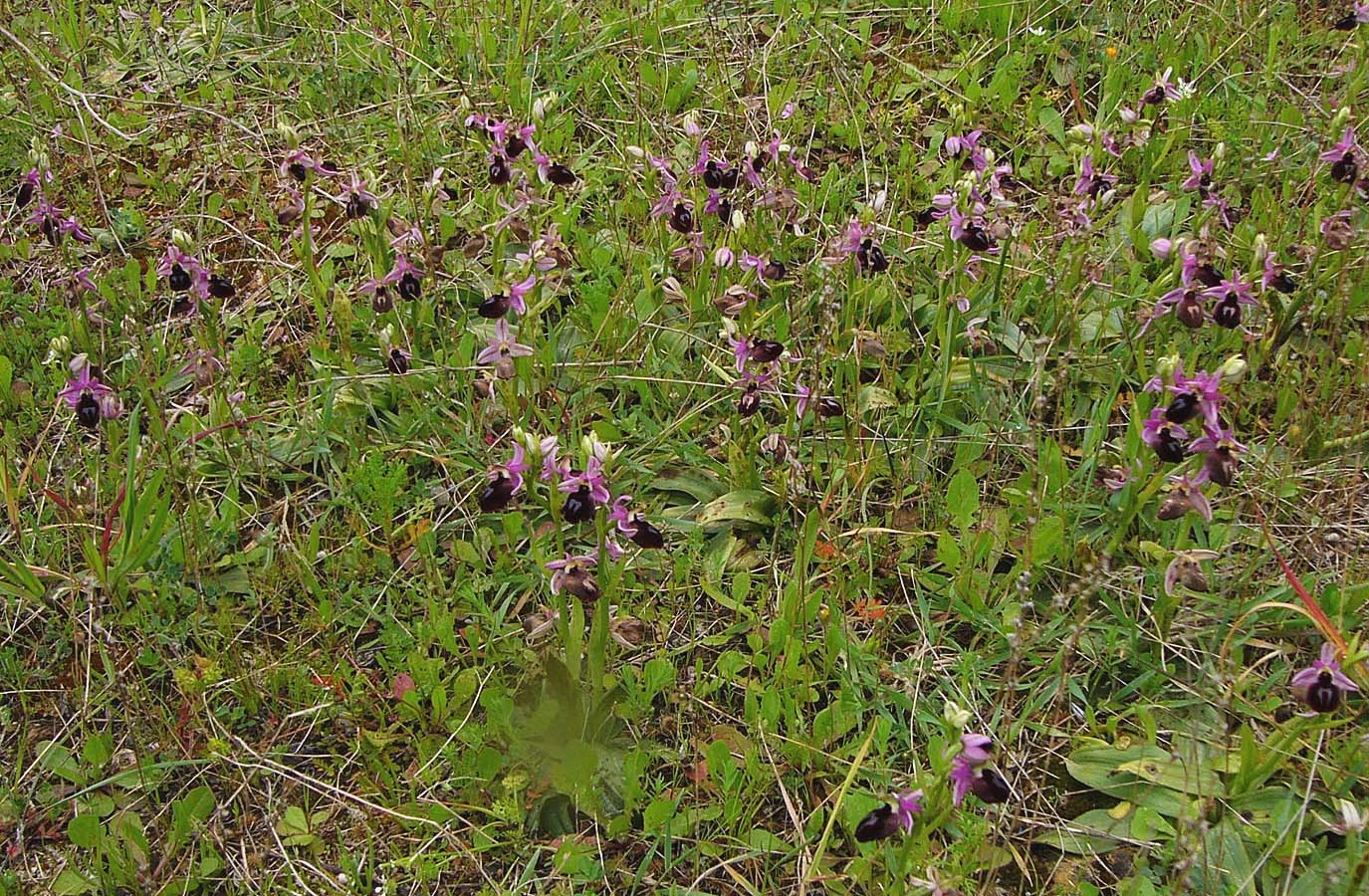
This species is widespread throughout Greece but can be unaccountably absent from large, seemingly suitable areas. On occasion however it occurs in huge numbers and the authors recall a colony near Lagonisi in Attica that was thousands strong, forming a vast drift along a shallow valley near the coast. The species is highly variable and periodically many of the variations have been recognized as subspecies and even full species. At present however they have all settled into existence as varieties, which given that they all share the same pollinator and are generally found within populations of the nominative type, would seem to be the sensible conclusion.
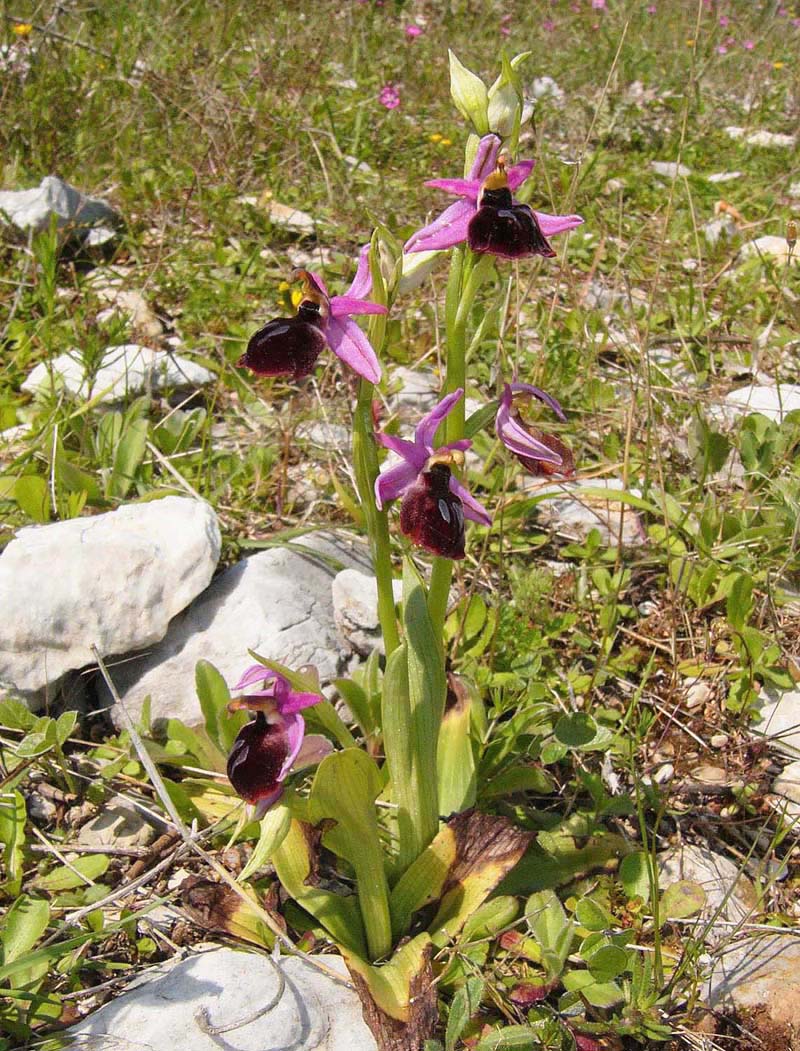
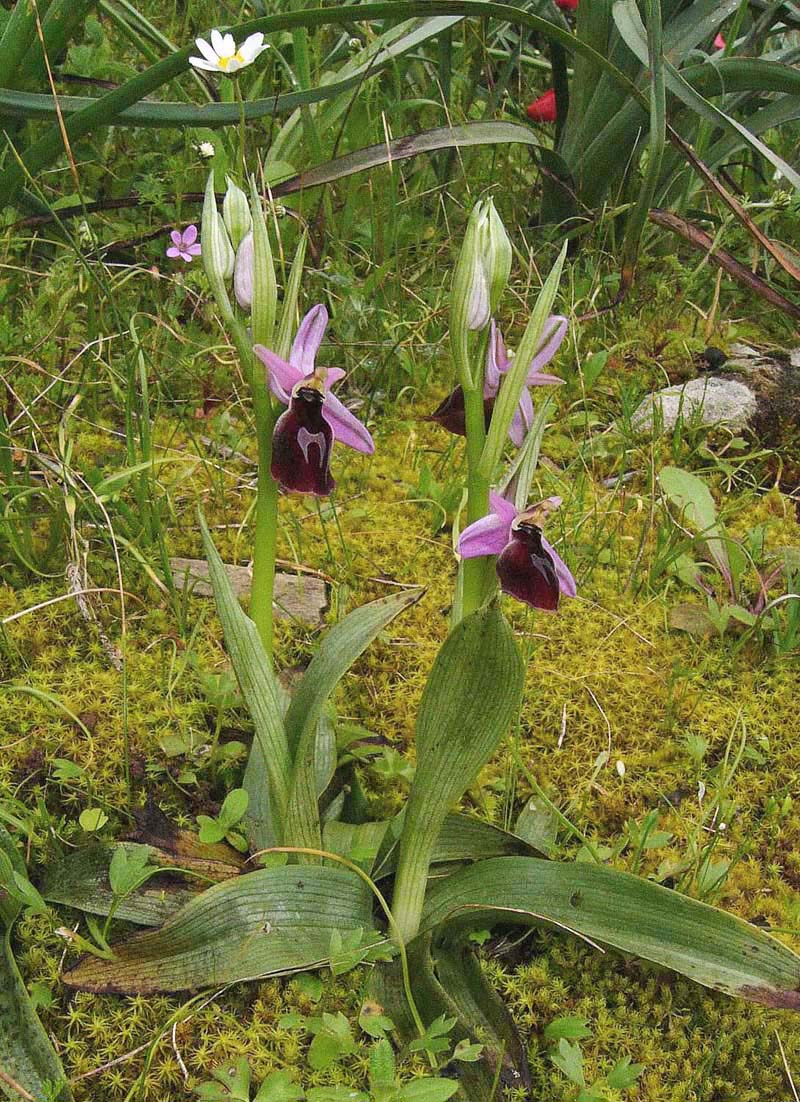
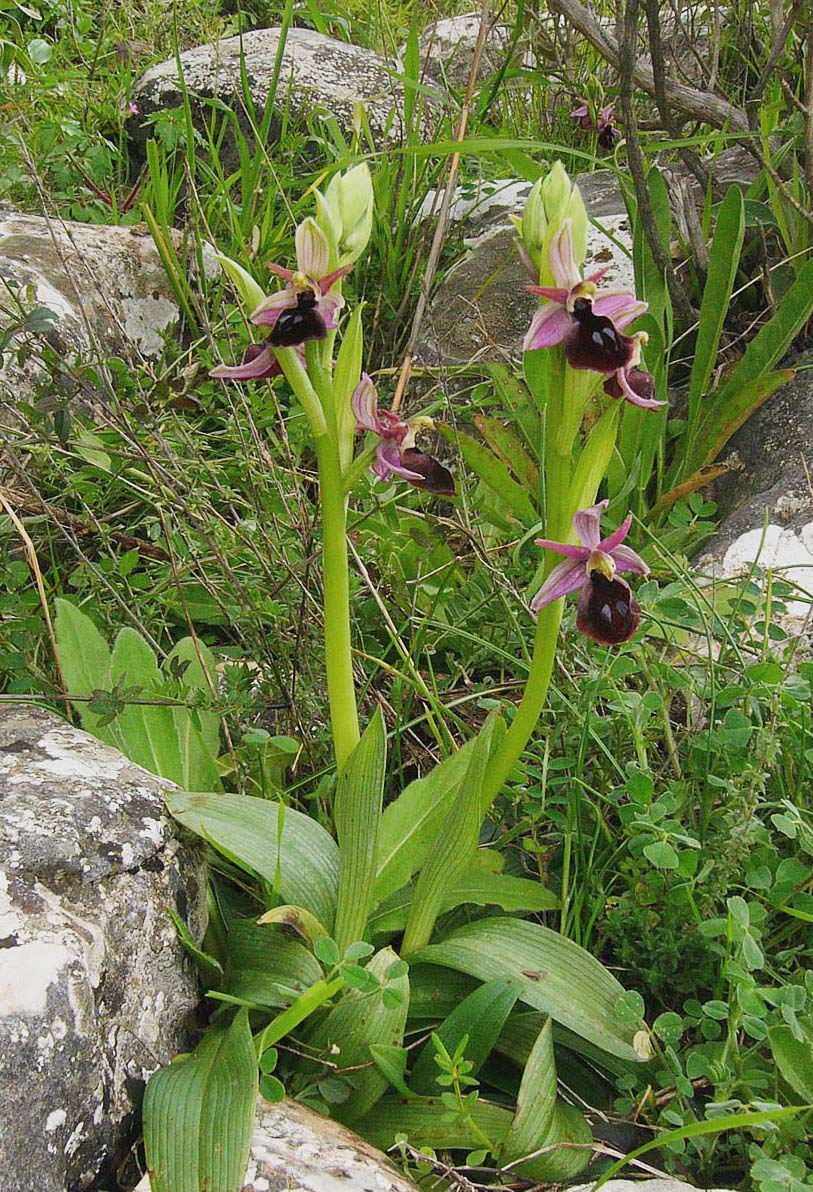
O. ferrum-equinum is an easy orchid to identify but less easy to distinguish from its variants. The lip is dark red/brown, rounded with a slightly downy, lighter coloured margin which can be slightly flared. The petals are very long and the sepals invariably pink with a central green vein. The speculum is simple, consisting of a small blue horseshoe or sometimes just two separated droplets. The pictures come from various locations throughout mainland Greece and the Aegean islands, all dating from the first two weeks of April.
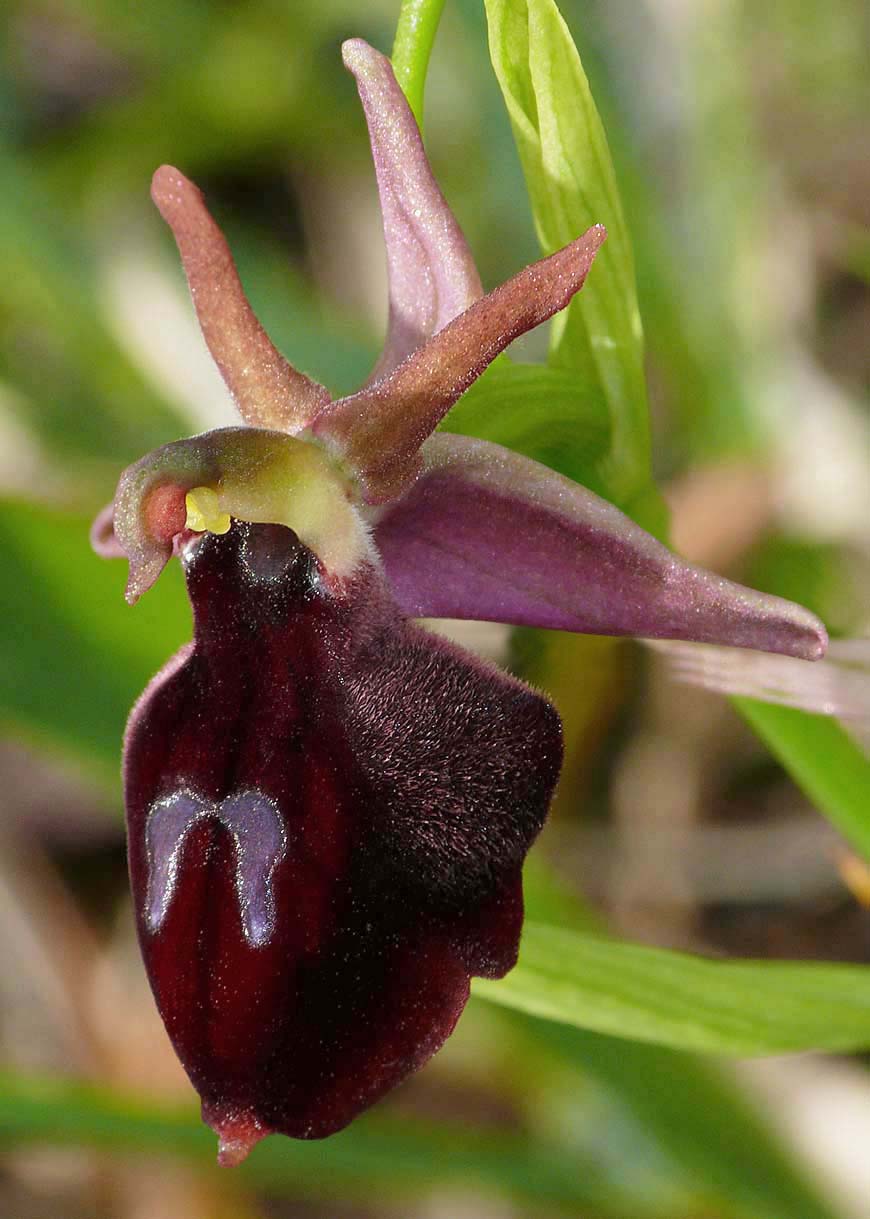
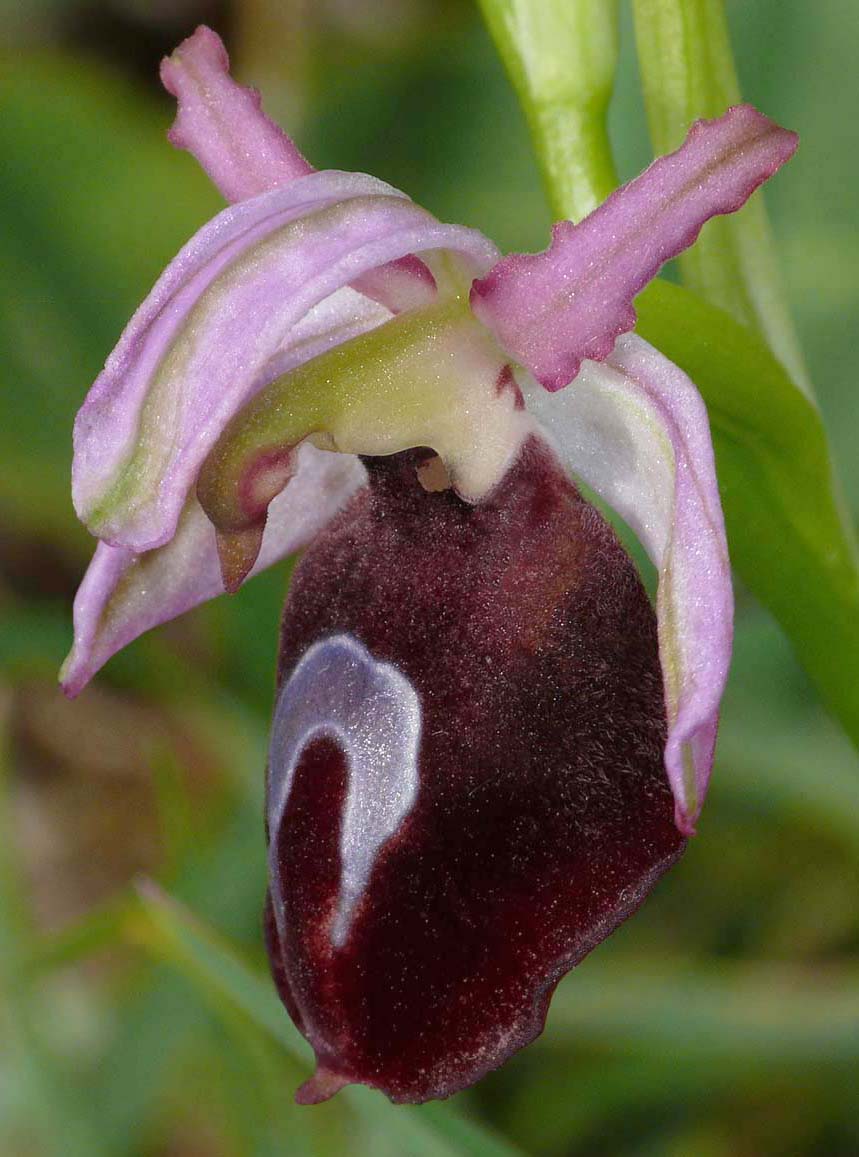
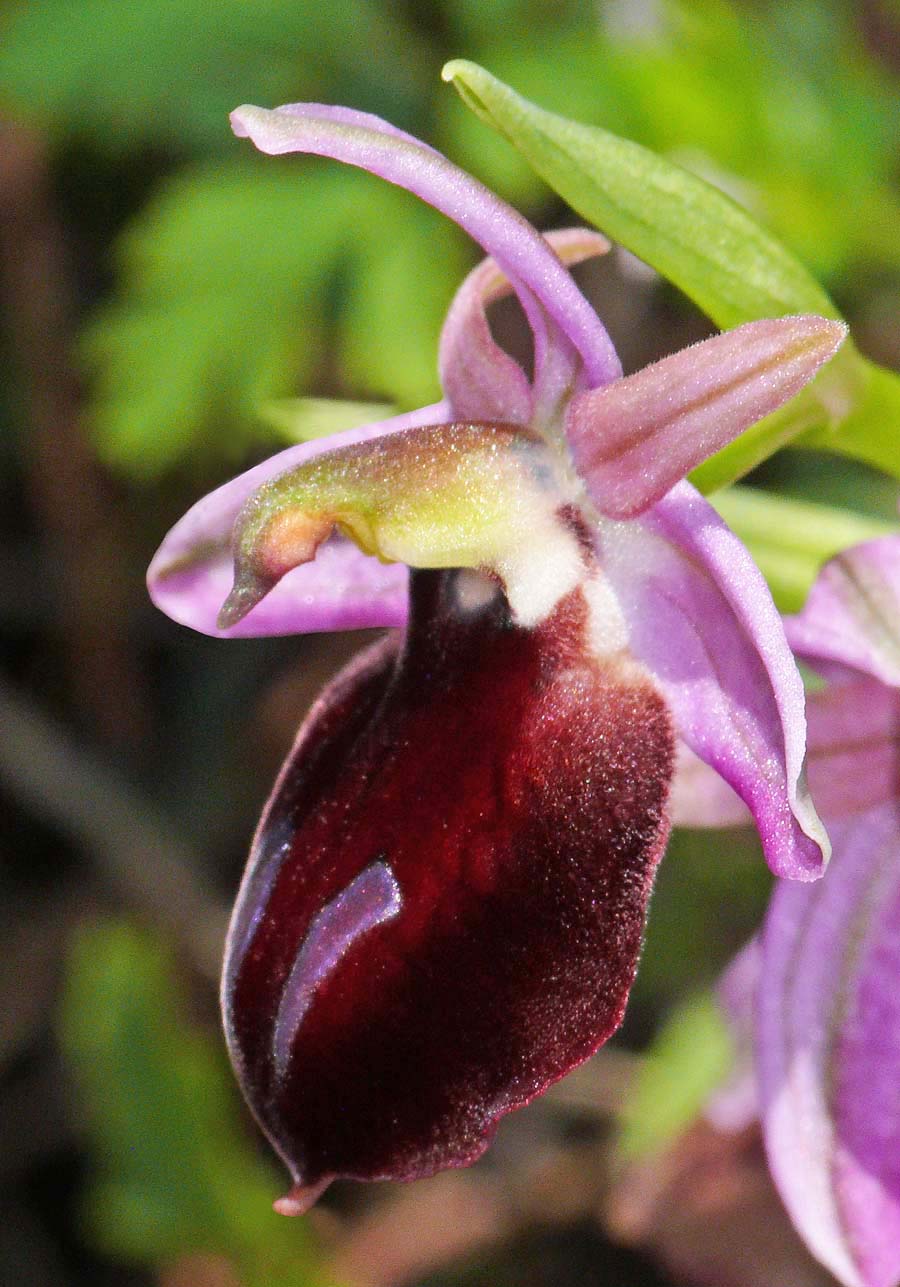
The following oddities are all from Mount Hymettus near Athens.