O. apifera was
first described by Hudson from England as far back as 1762. Its
name refers to the flowers resemblance to a bee and accordingly the
species has long
been commonly (and affectionately) known
as the Bee Orchid.
It's a widespread orchid with a distribution across temperate and Mediterranean Europe as far east as the Caucasus. In its favoured locations it can be abundant and its choice of habitat is wide, ranging from the driest chalk grassland and garrigue to wet even swampy conditions. It usually prefers a full sun position but will tolerate (though not relish) even significant shade. The plants featured here were growing in the deep shade of a pinewood where photography of yellow and white flowers proved very difficult.
O. apifera is largely self pollinating and this autogamy seems responsible for the frequent appearance of variant plants, some of which, although not of evolutionary significance, occur on a sufficiently regular basis to have acquired formal varietal status.
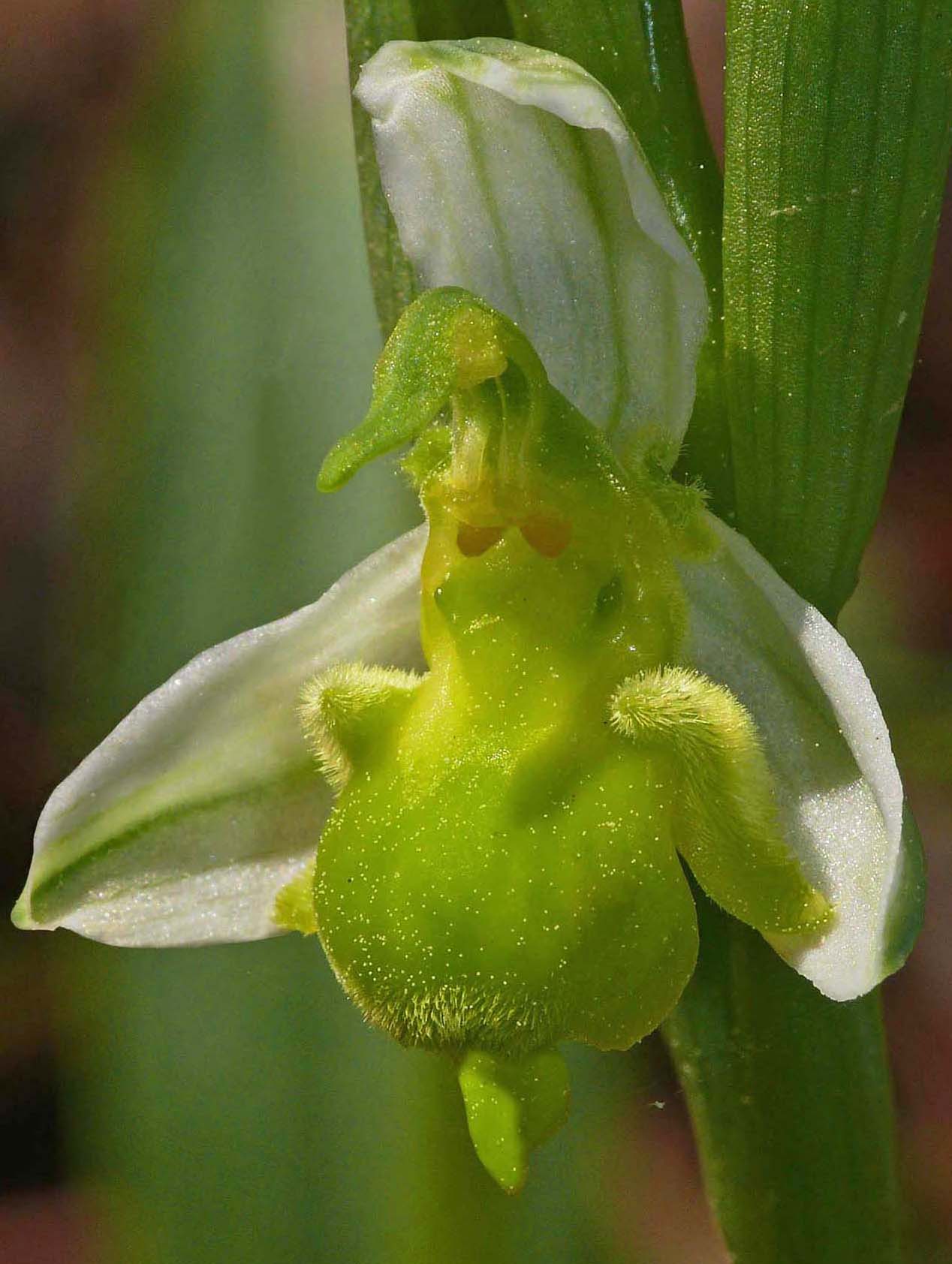
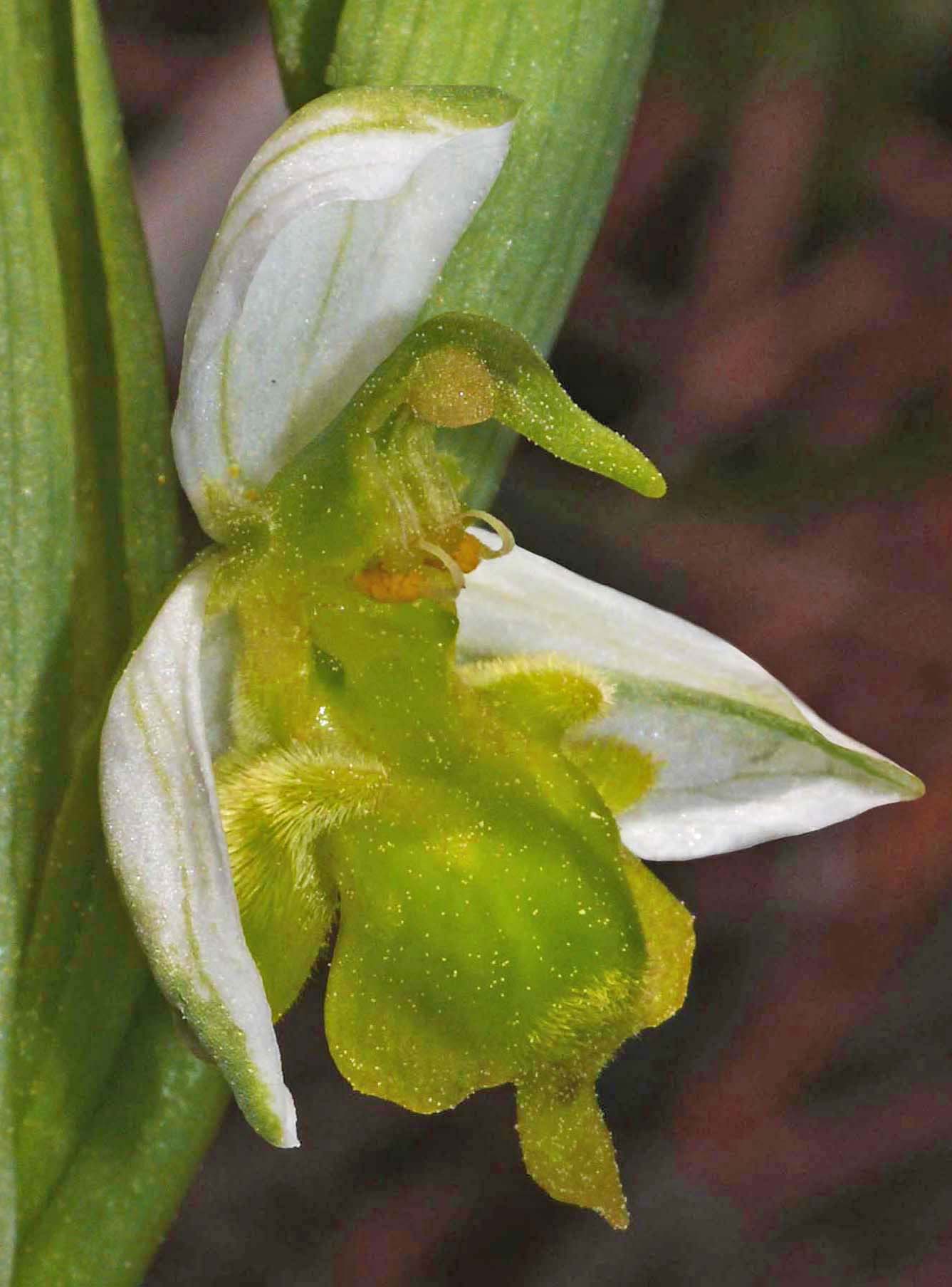
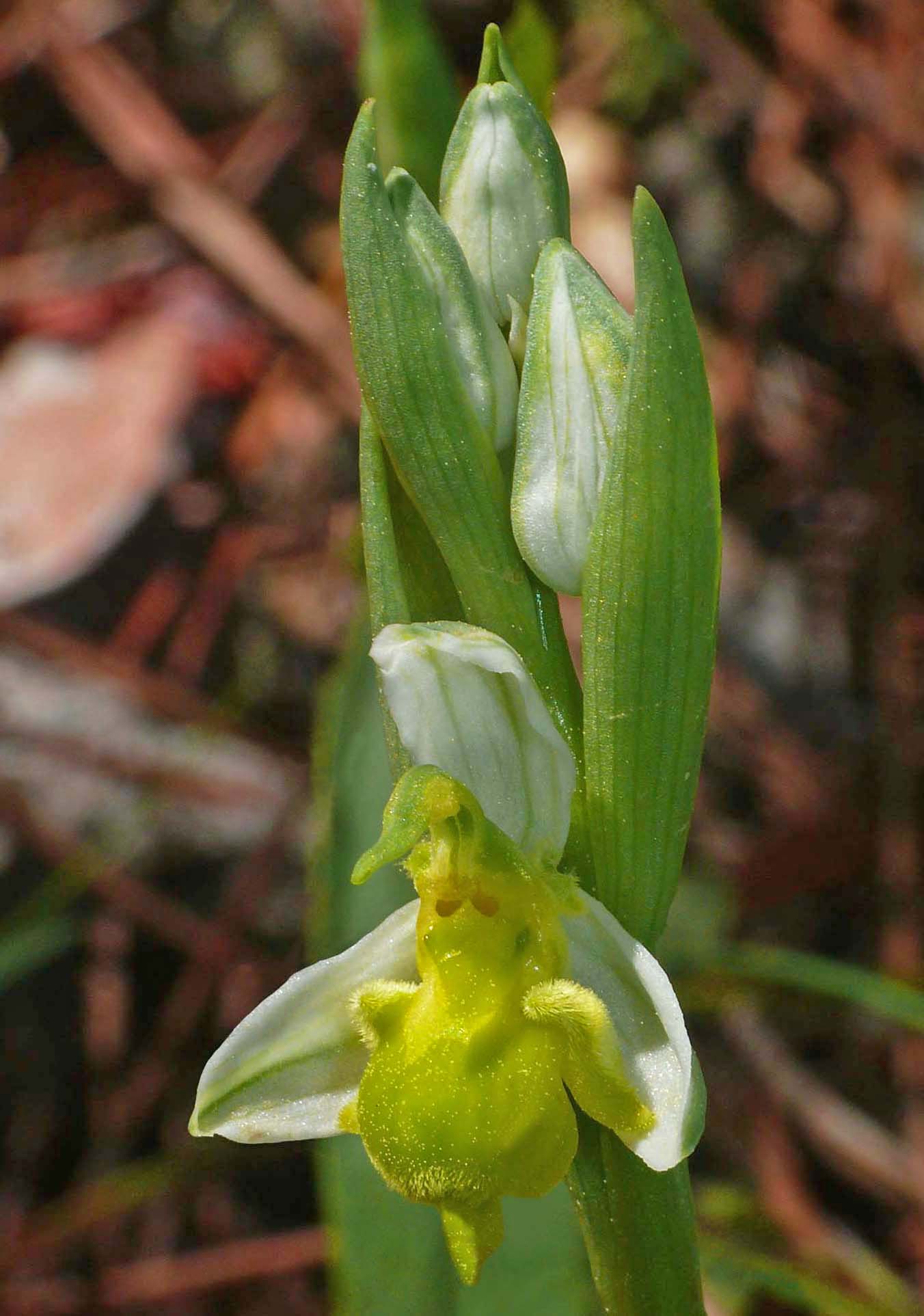
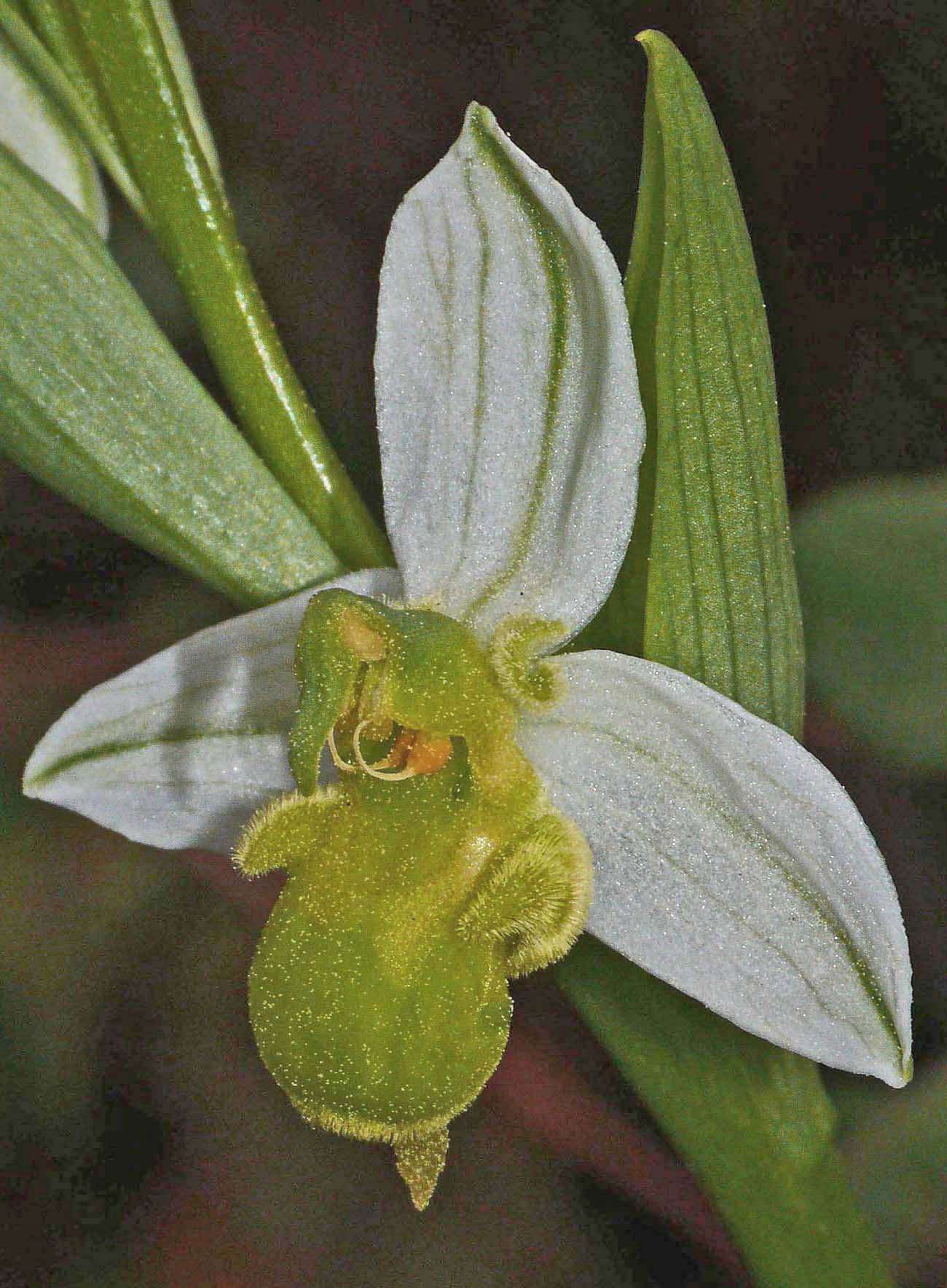
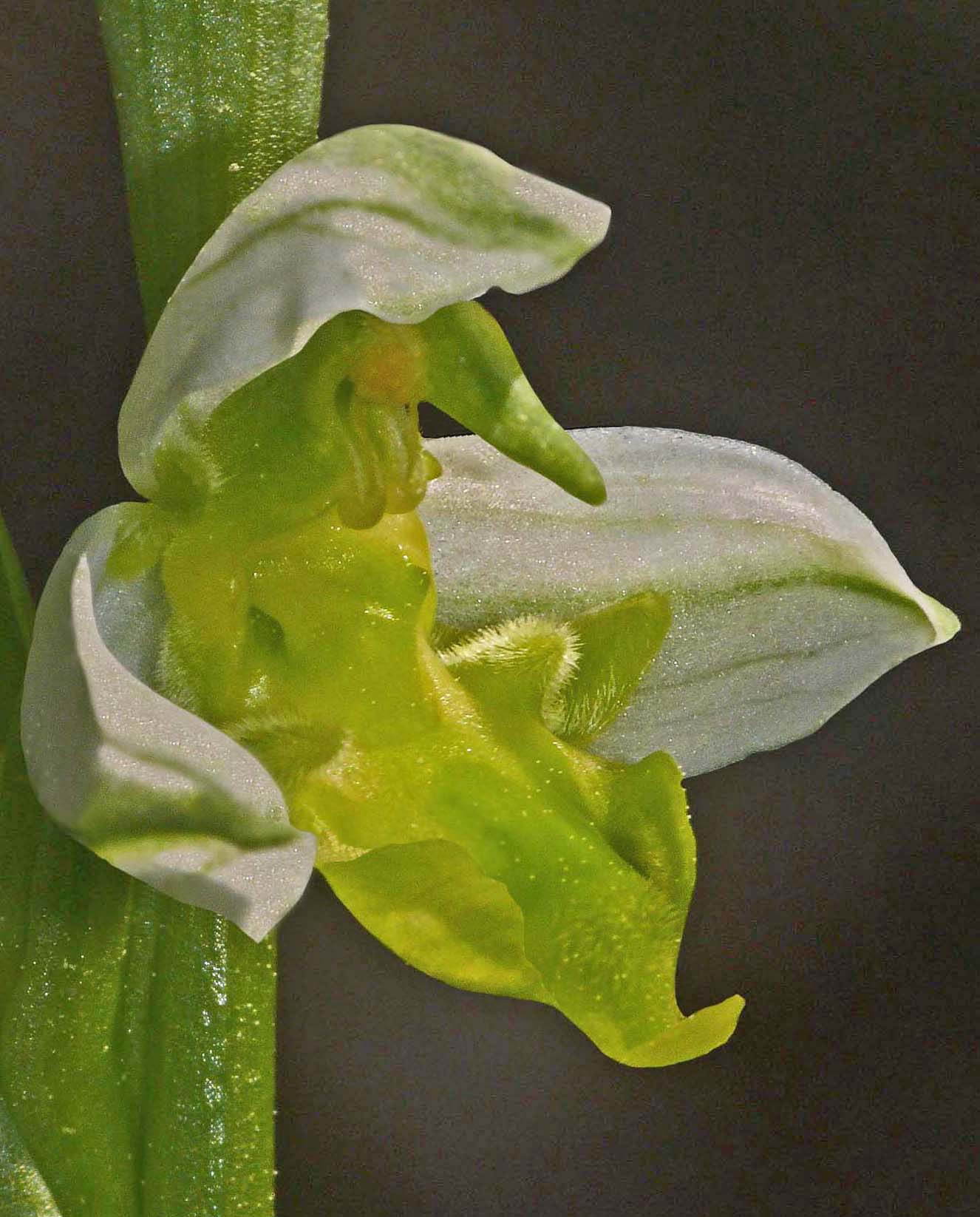
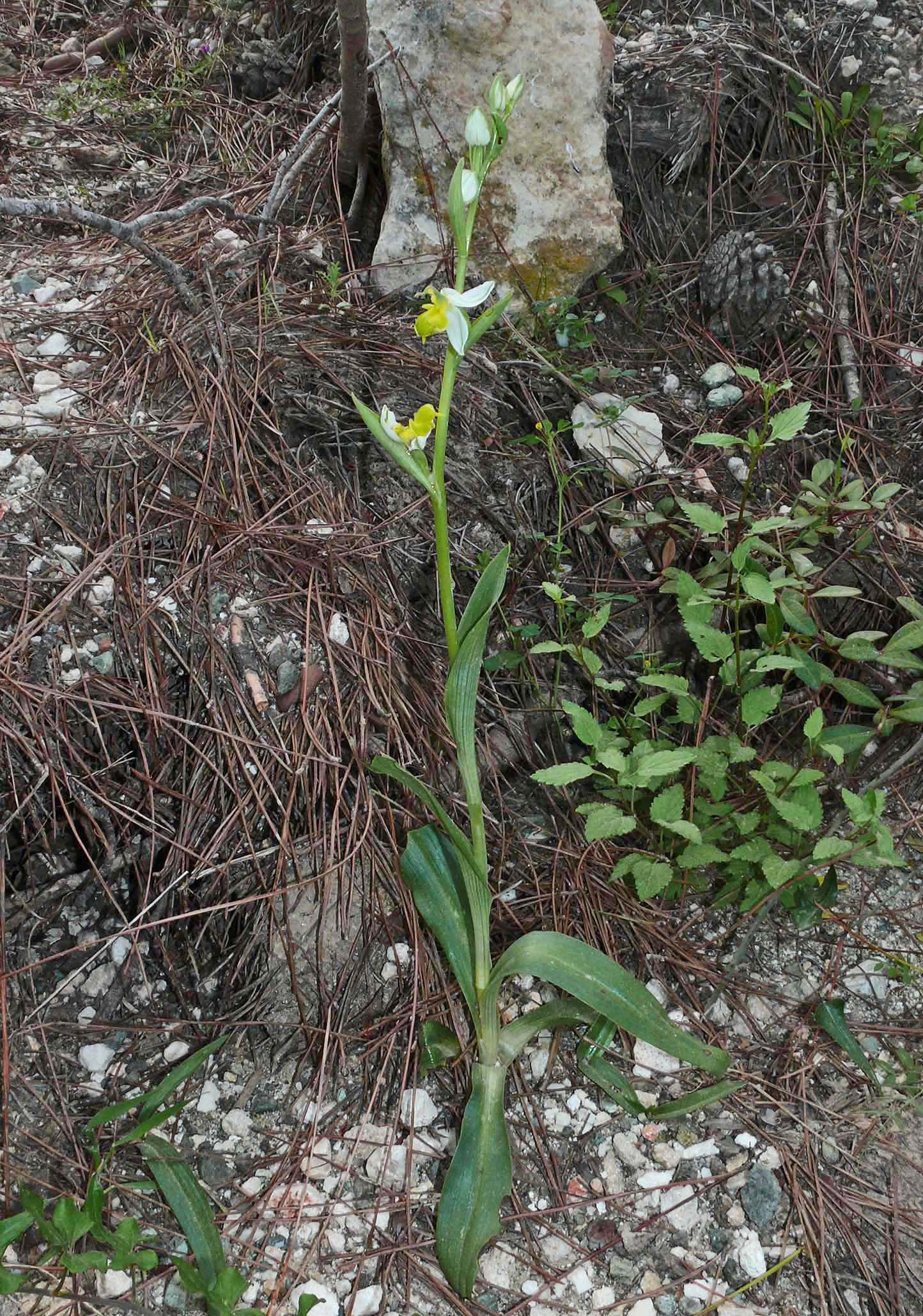
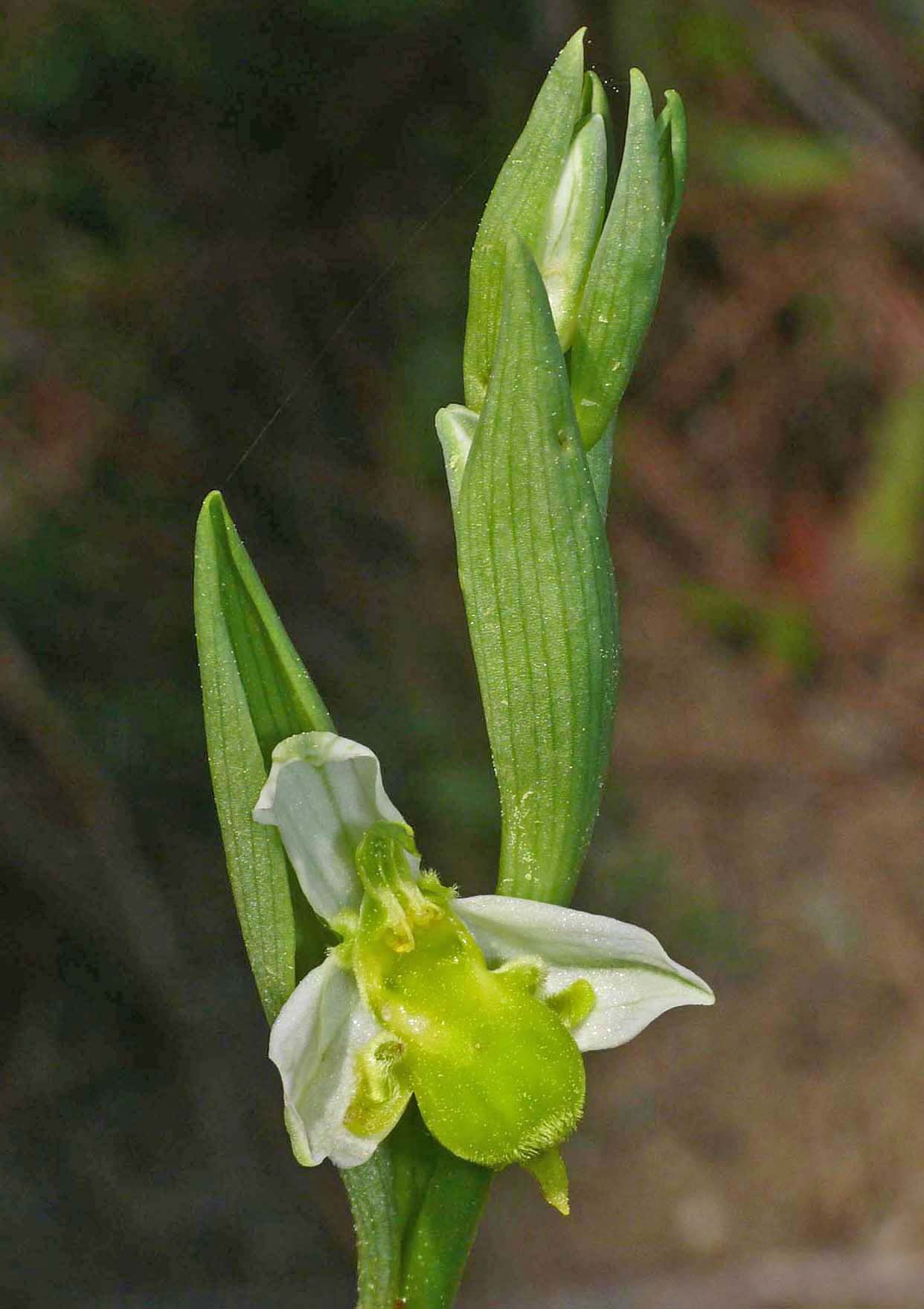
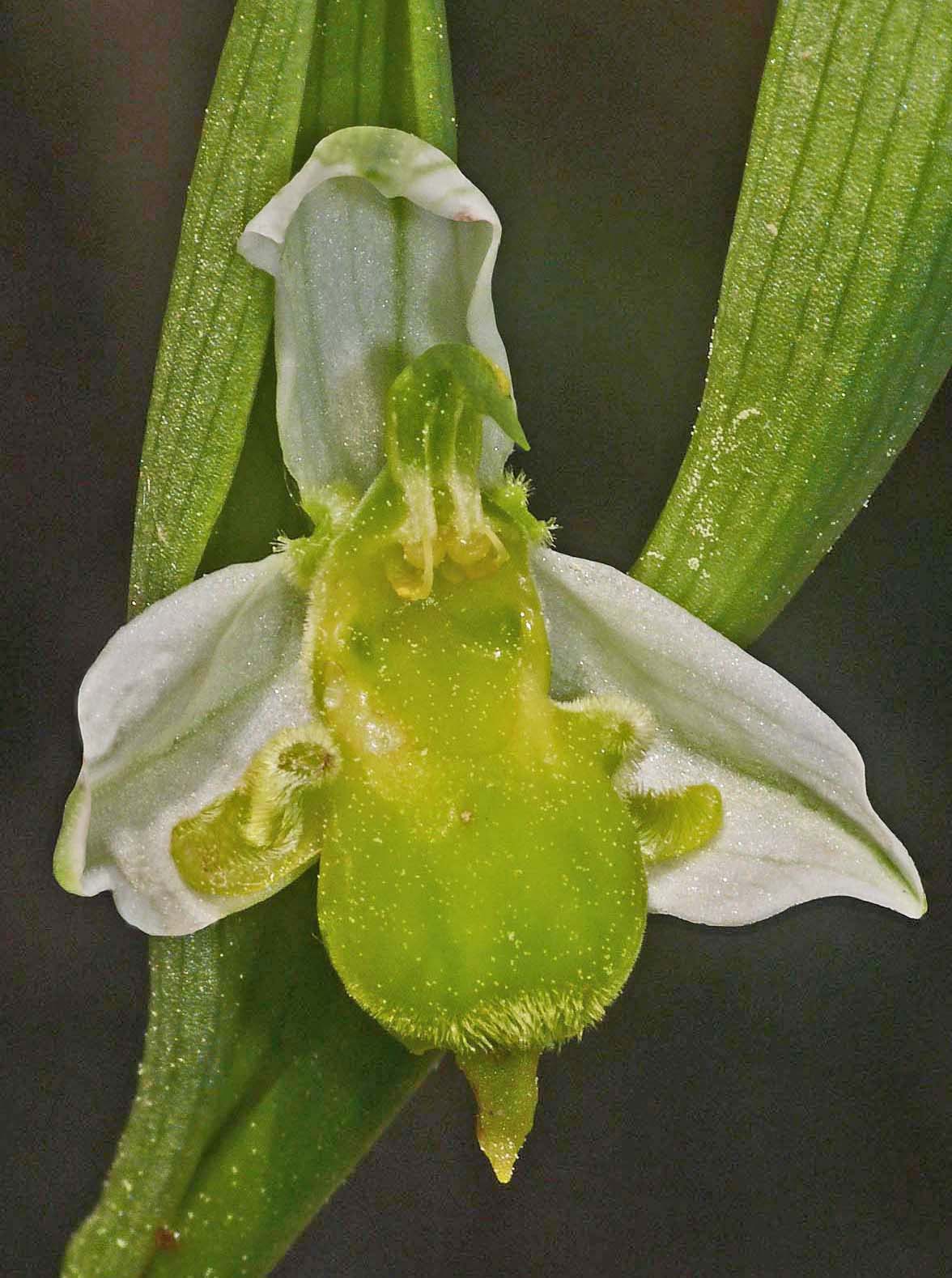
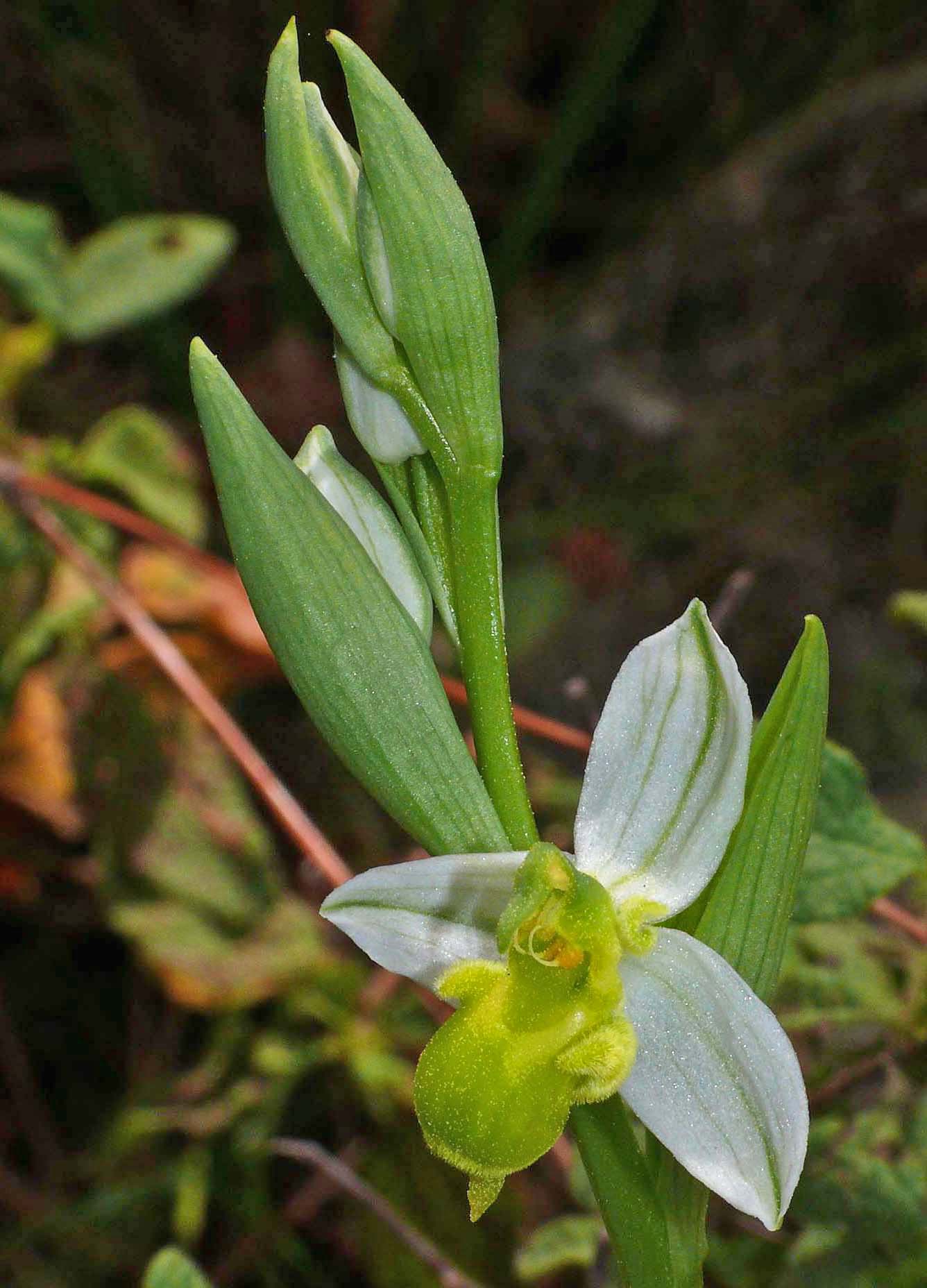
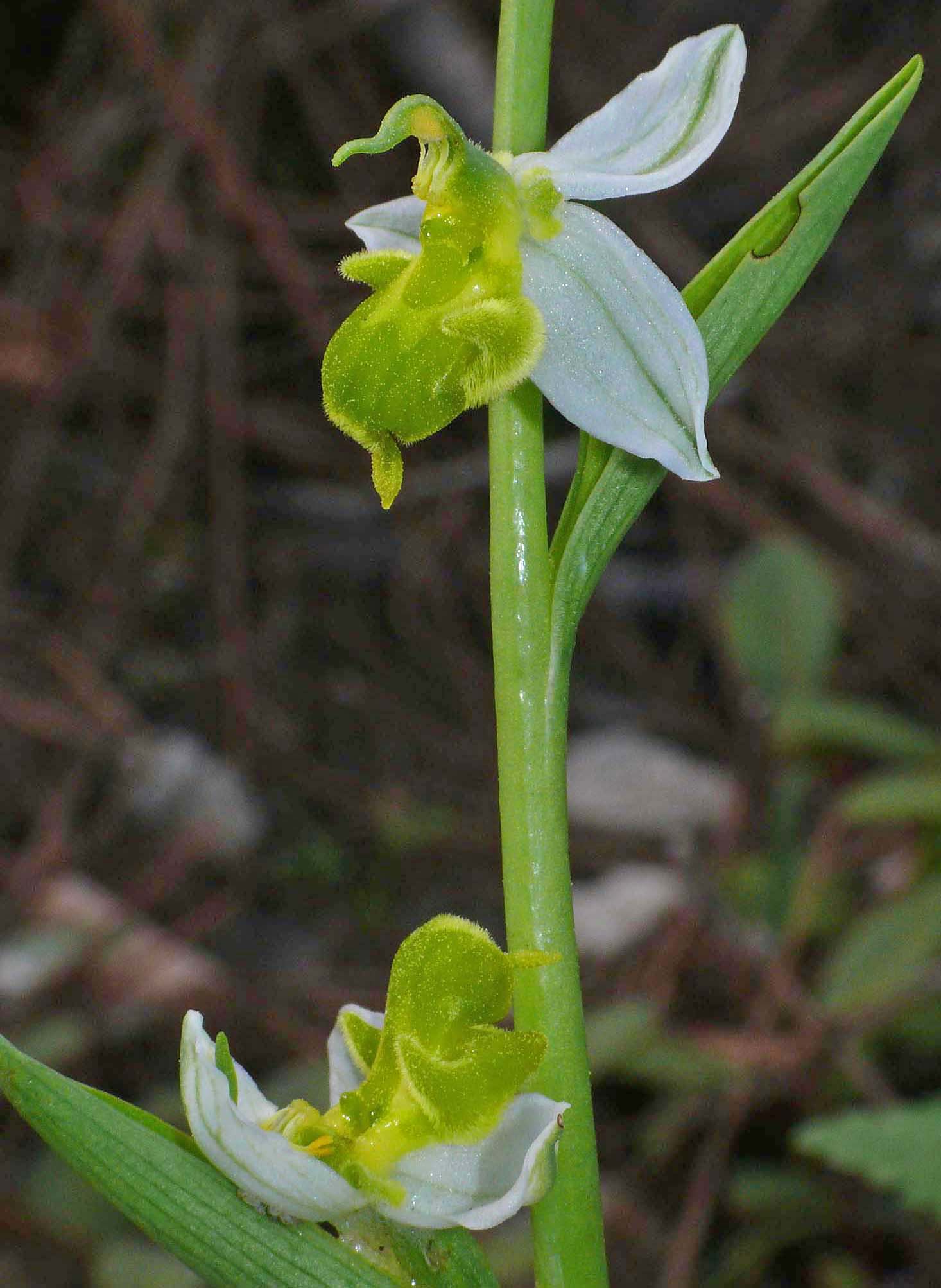
O. apifera var. chlorantha is one of the commoner variants and occurs throughout the range of the type species. Its appearance is distinctive and although general shape and configuration is normal, the colouration is very different. This variation is particularly common in O. apifera and caused by a hypochromatic condition that reduces pigmentation. The level of pigment reduction determines the appearance of the plant and it can vary from a partial loss of colour (O. apifera var. flavescens) to a complete loss that renders the specimen simply yellow and white (as here). The pictures all come from the deep shade of a pinewood in the Akamas hills of Cyprus and date from the 20th of March.
It's a widespread orchid with a distribution across temperate and Mediterranean Europe as far east as the Caucasus. In its favoured locations it can be abundant and its choice of habitat is wide, ranging from the driest chalk grassland and garrigue to wet even swampy conditions. It usually prefers a full sun position but will tolerate (though not relish) even significant shade. The plants featured here were growing in the deep shade of a pinewood where photography of yellow and white flowers proved very difficult.
O. apifera is largely self pollinating and this autogamy seems responsible for the frequent appearance of variant plants, some of which, although not of evolutionary significance, occur on a sufficiently regular basis to have acquired formal varietal status.
O. apifera var. chlorantha is one of the commoner variants and occurs throughout the range of the type species. Its appearance is distinctive and although general shape and configuration is normal, the colouration is very different. This variation is particularly common in O. apifera and caused by a hypochromatic condition that reduces pigmentation. The level of pigment reduction determines the appearance of the plant and it can vary from a partial loss of colour (O. apifera var. flavescens) to a complete loss that renders the specimen simply yellow and white (as here). The pictures all come from the deep shade of a pinewood in the Akamas hills of Cyprus and date from the 20th of March.