D. romana was first described from Italy in 1813 and its name unsurprisingly means Roman Orchid. It is a widespread species living primarily in the central and eastern
areas of the Mediterranean, but
reaching as far east as Bulgaria and Russia.
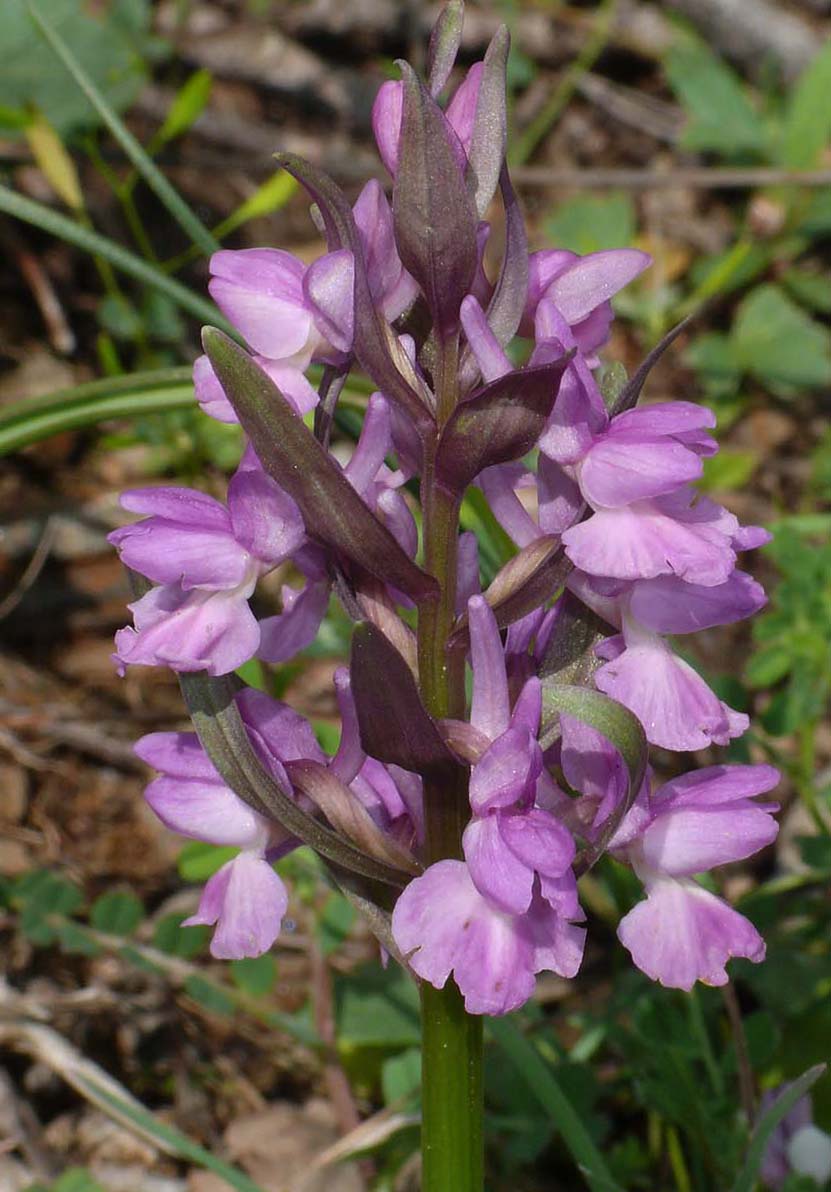
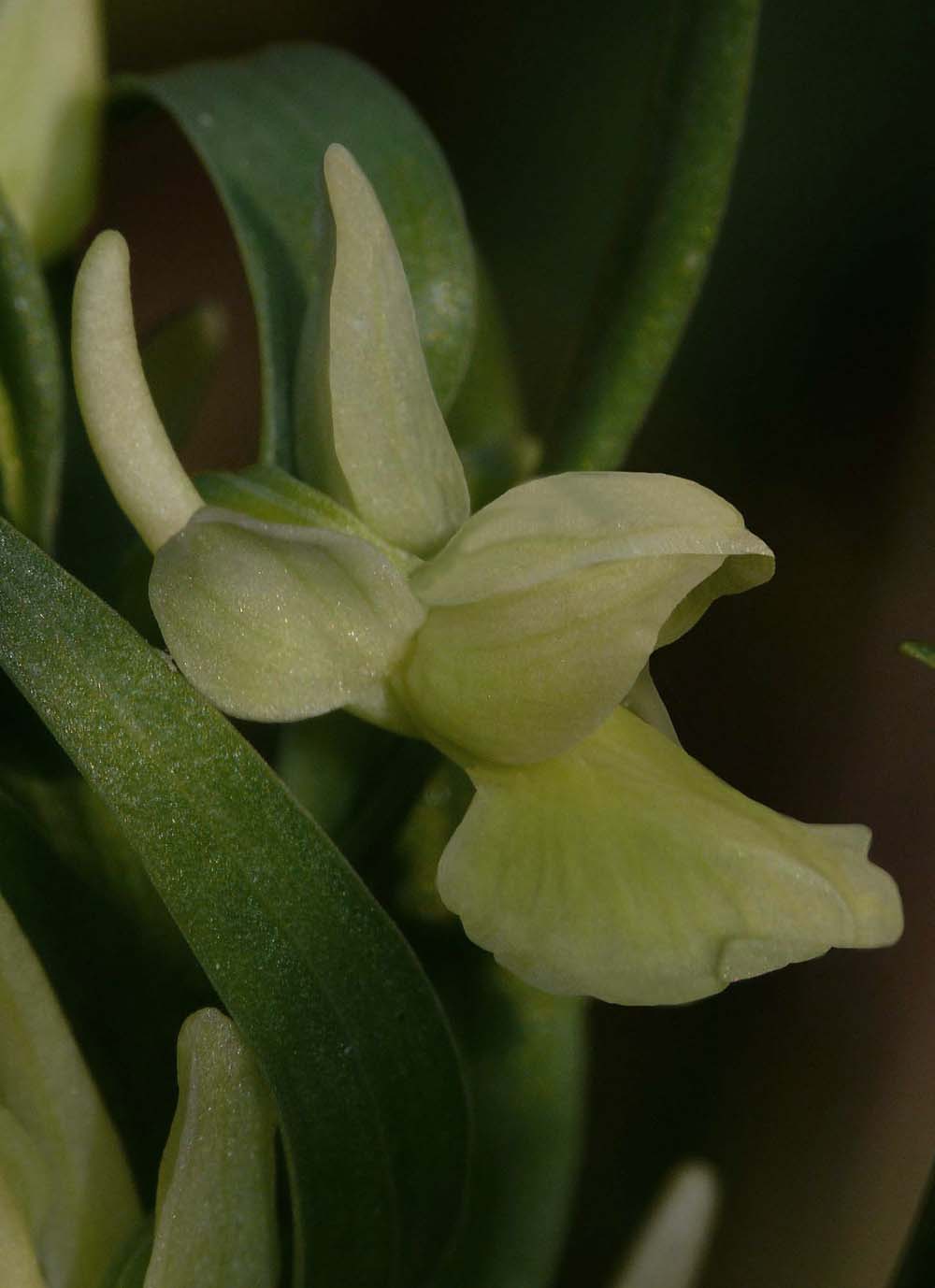
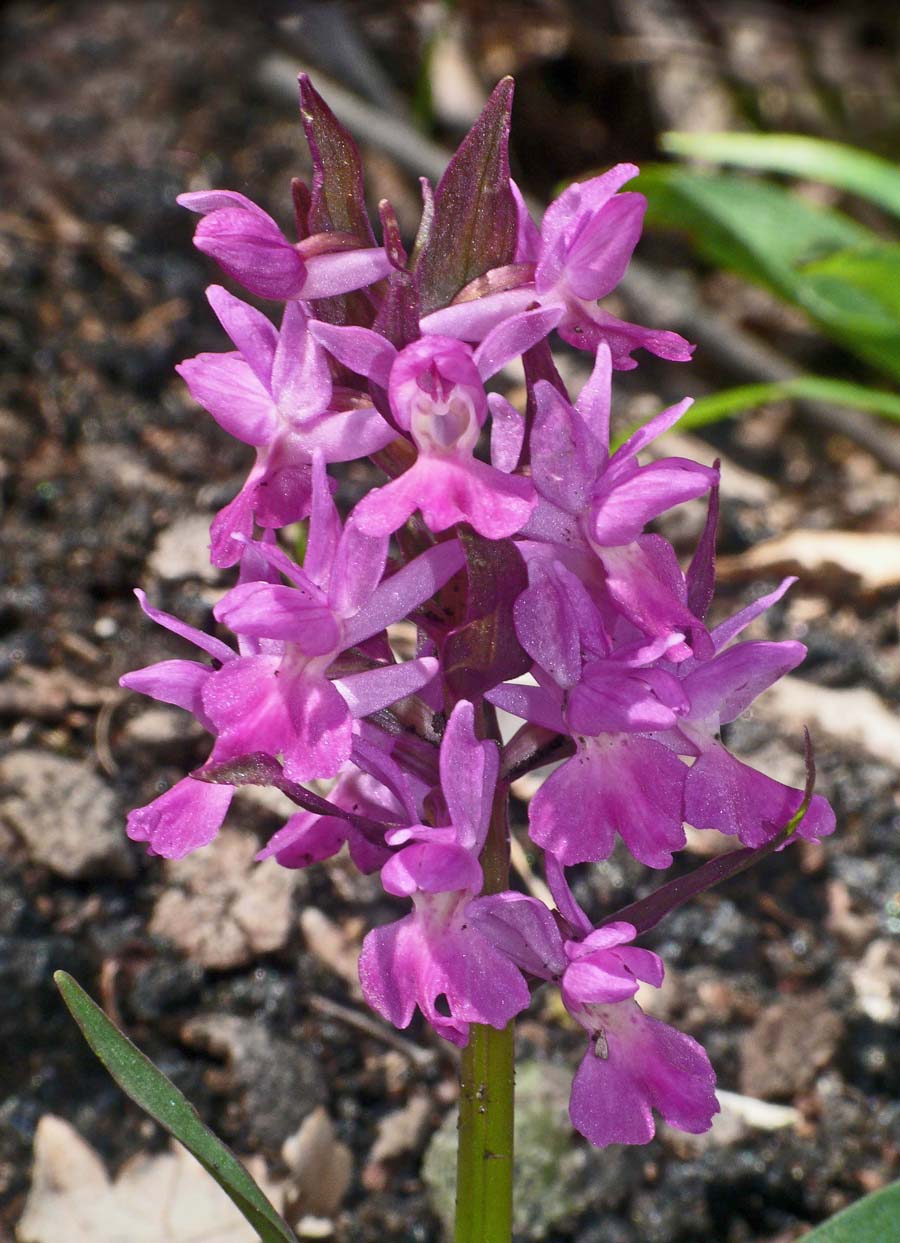
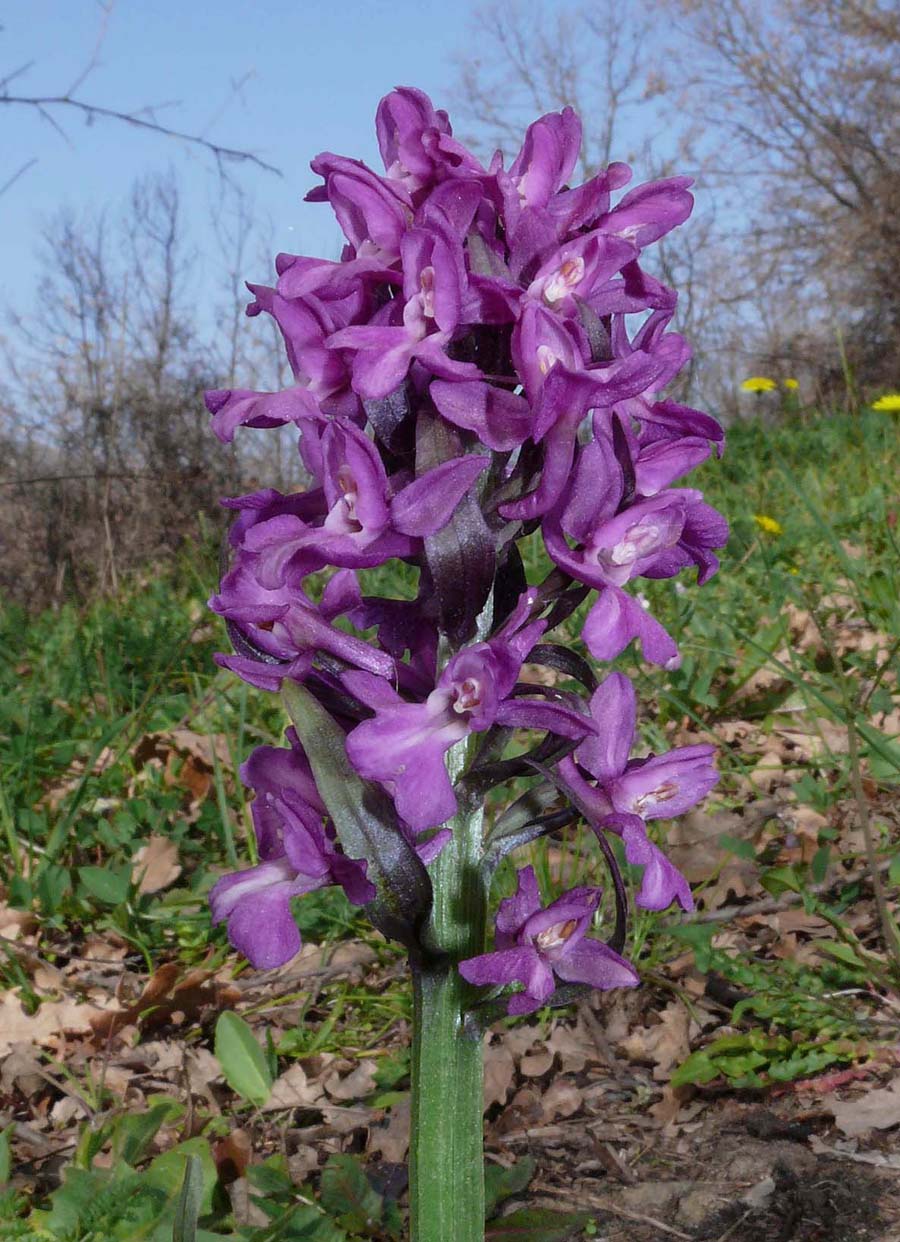
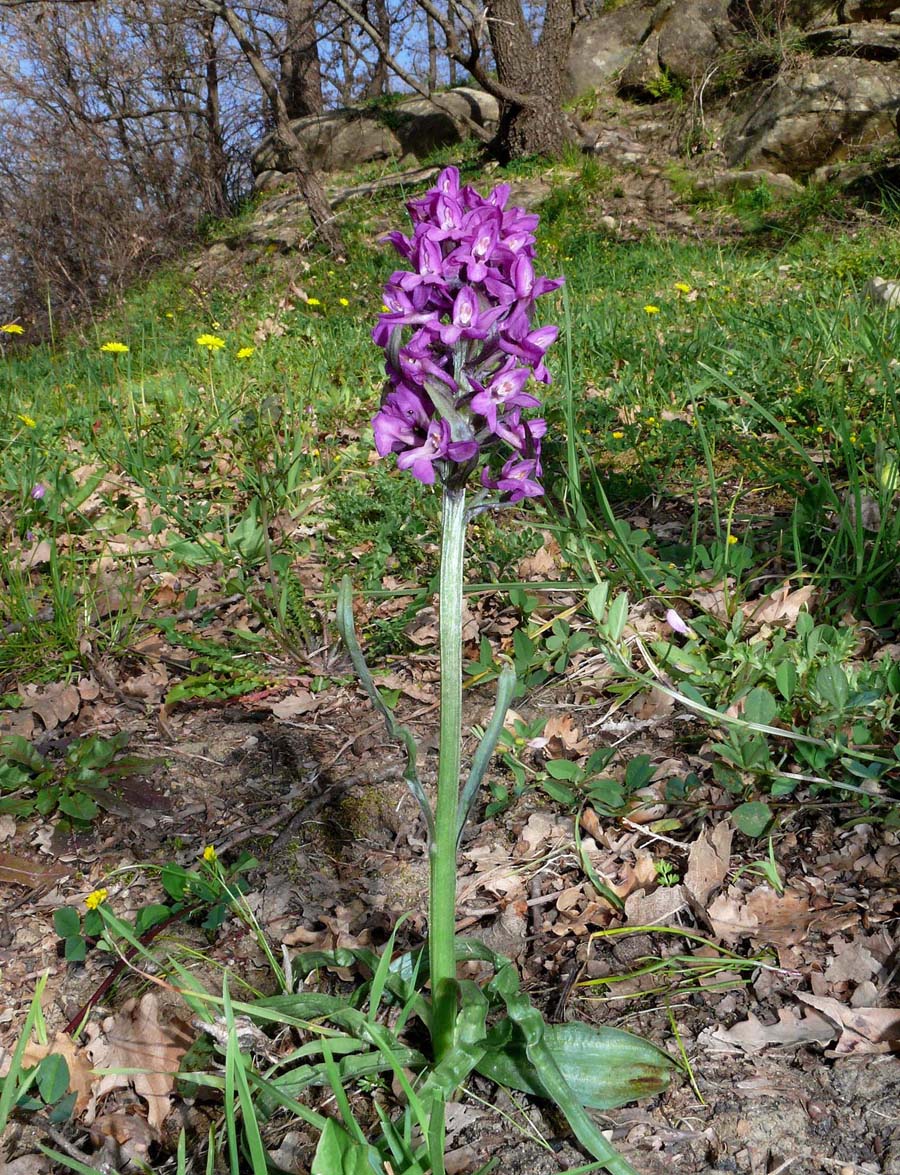
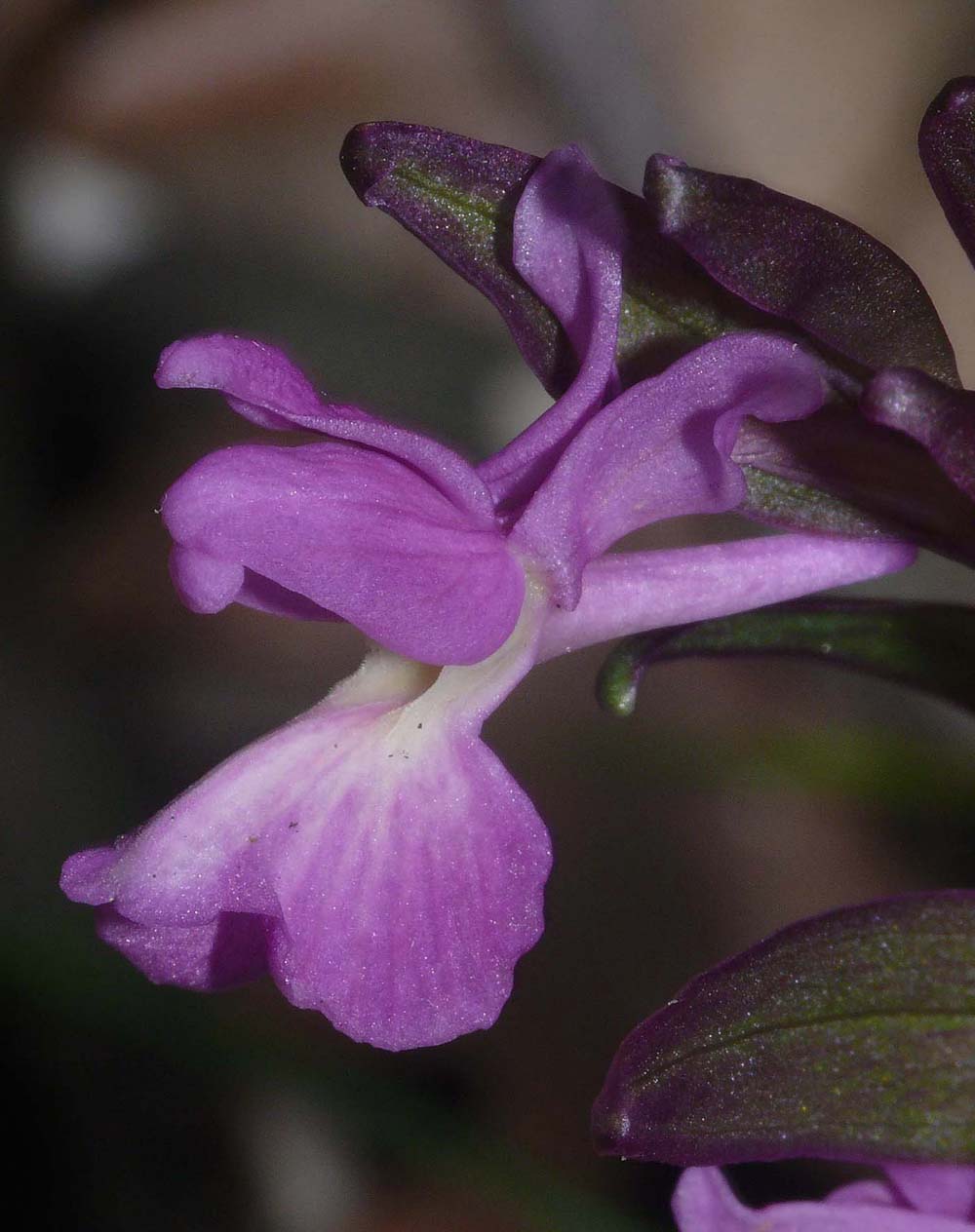
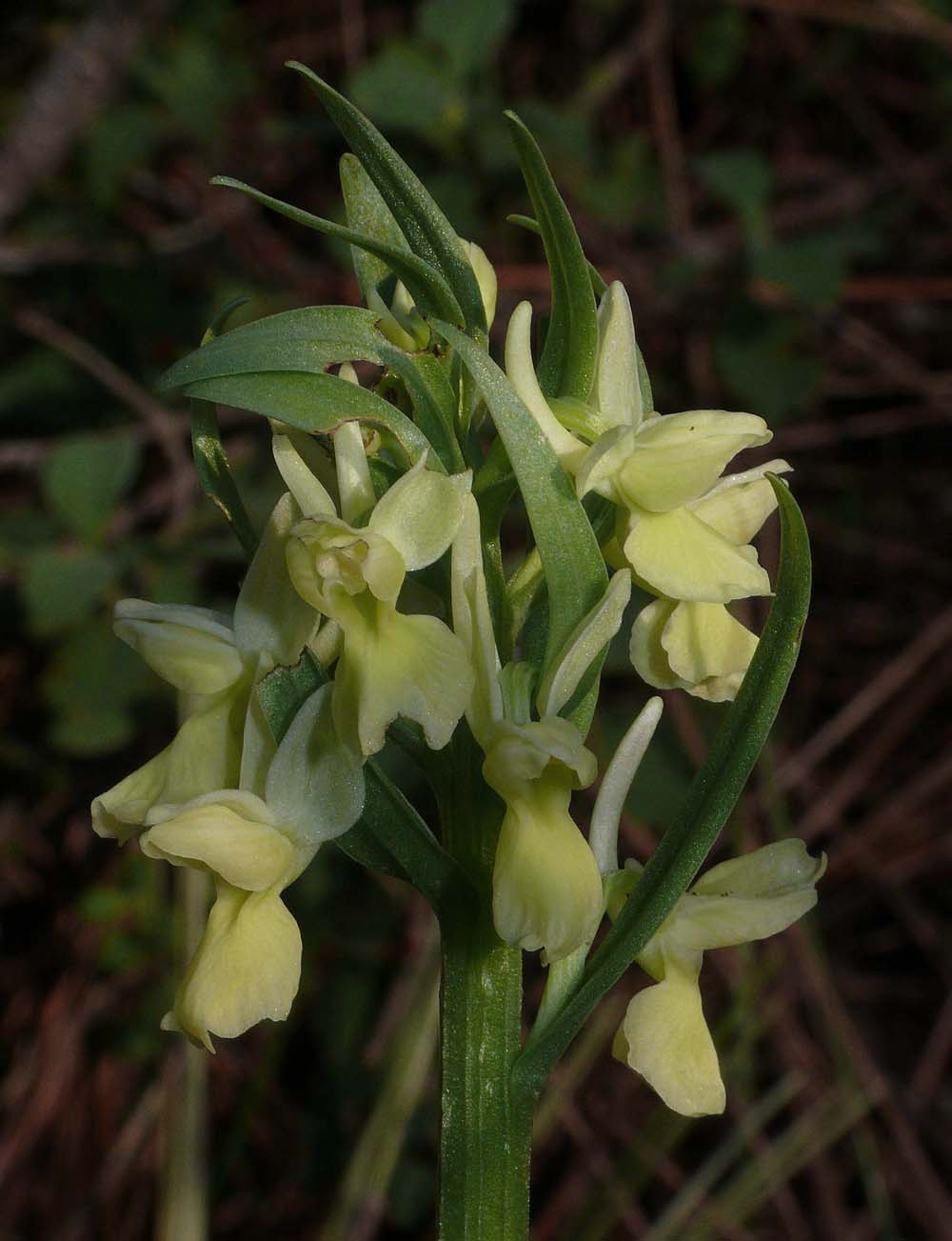
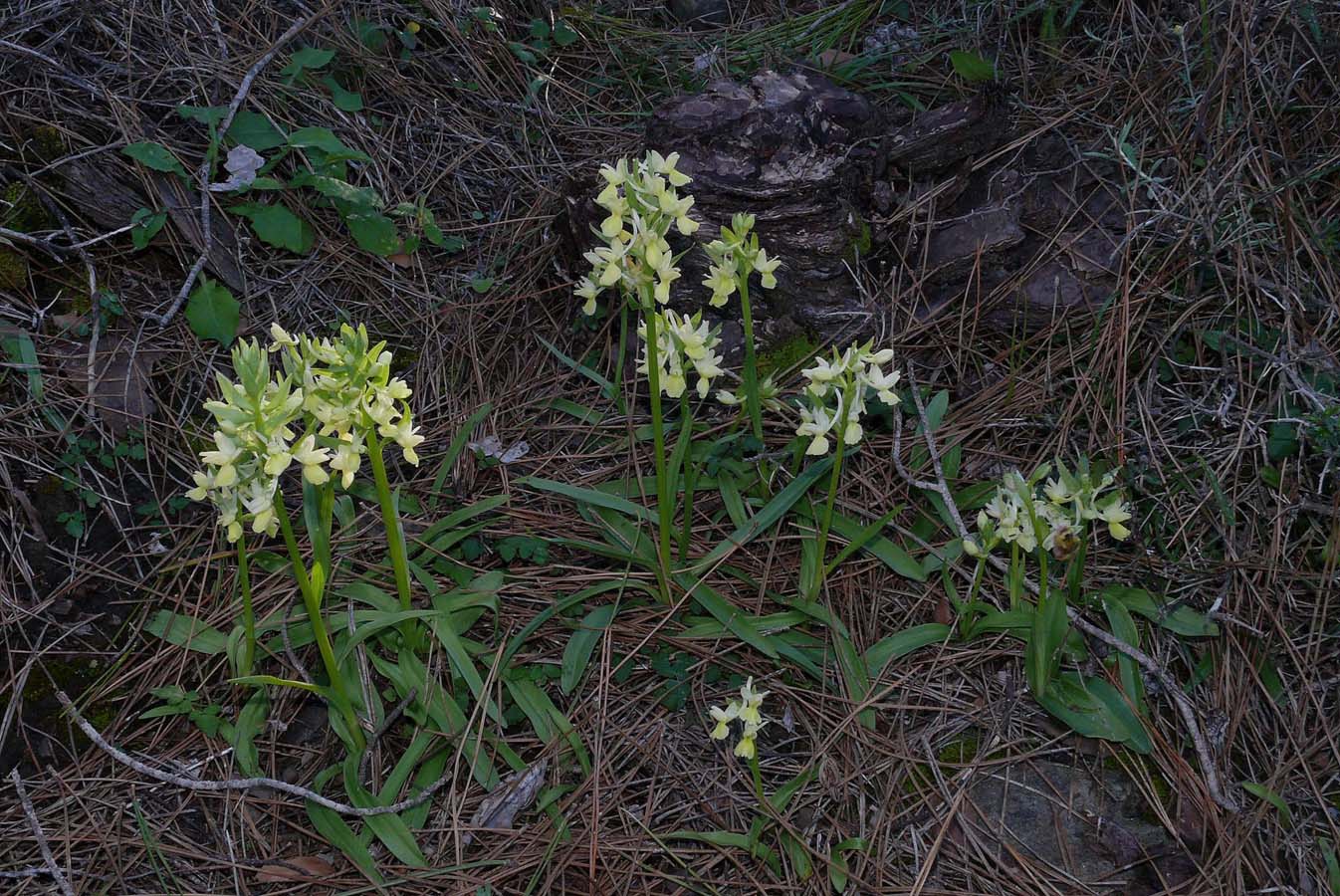
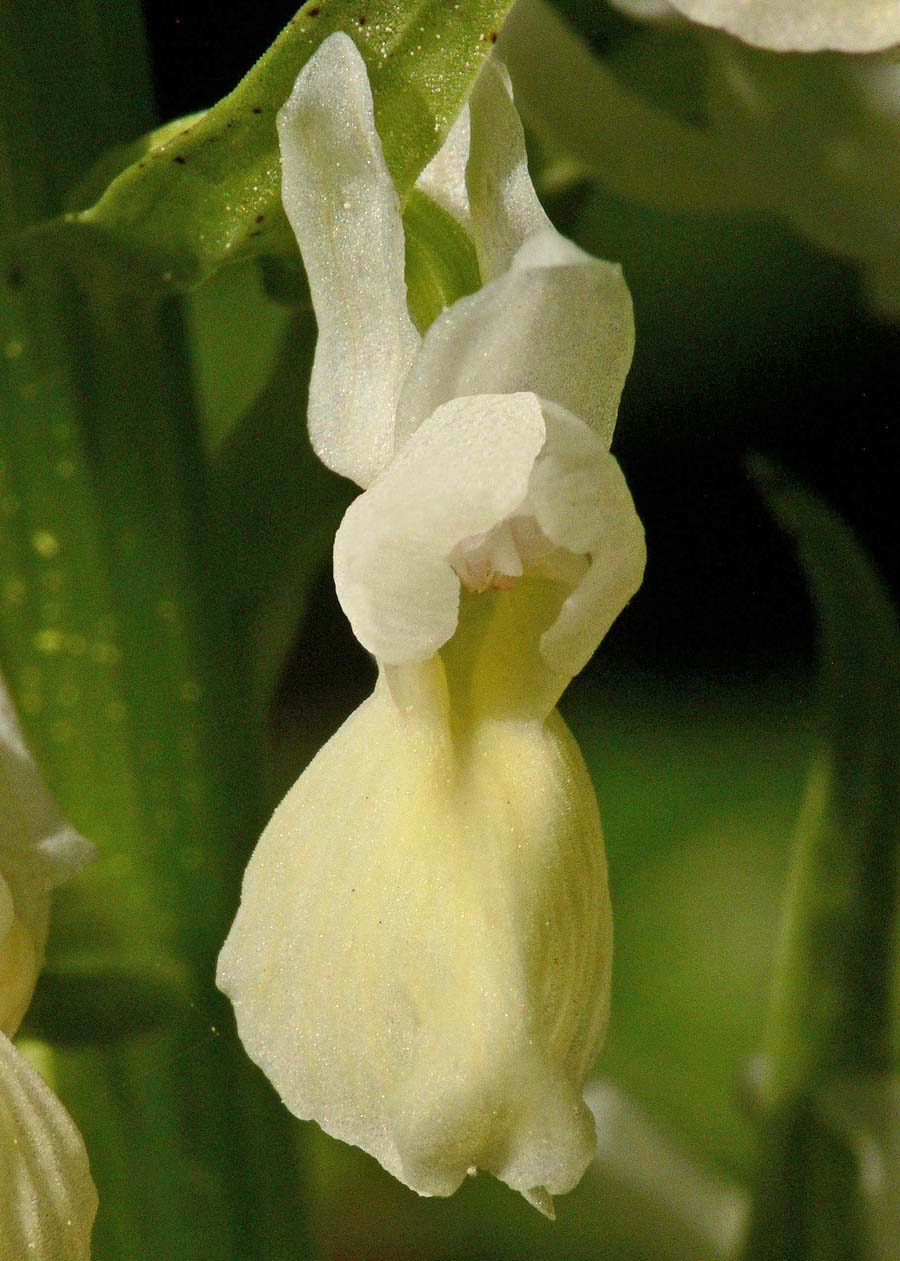
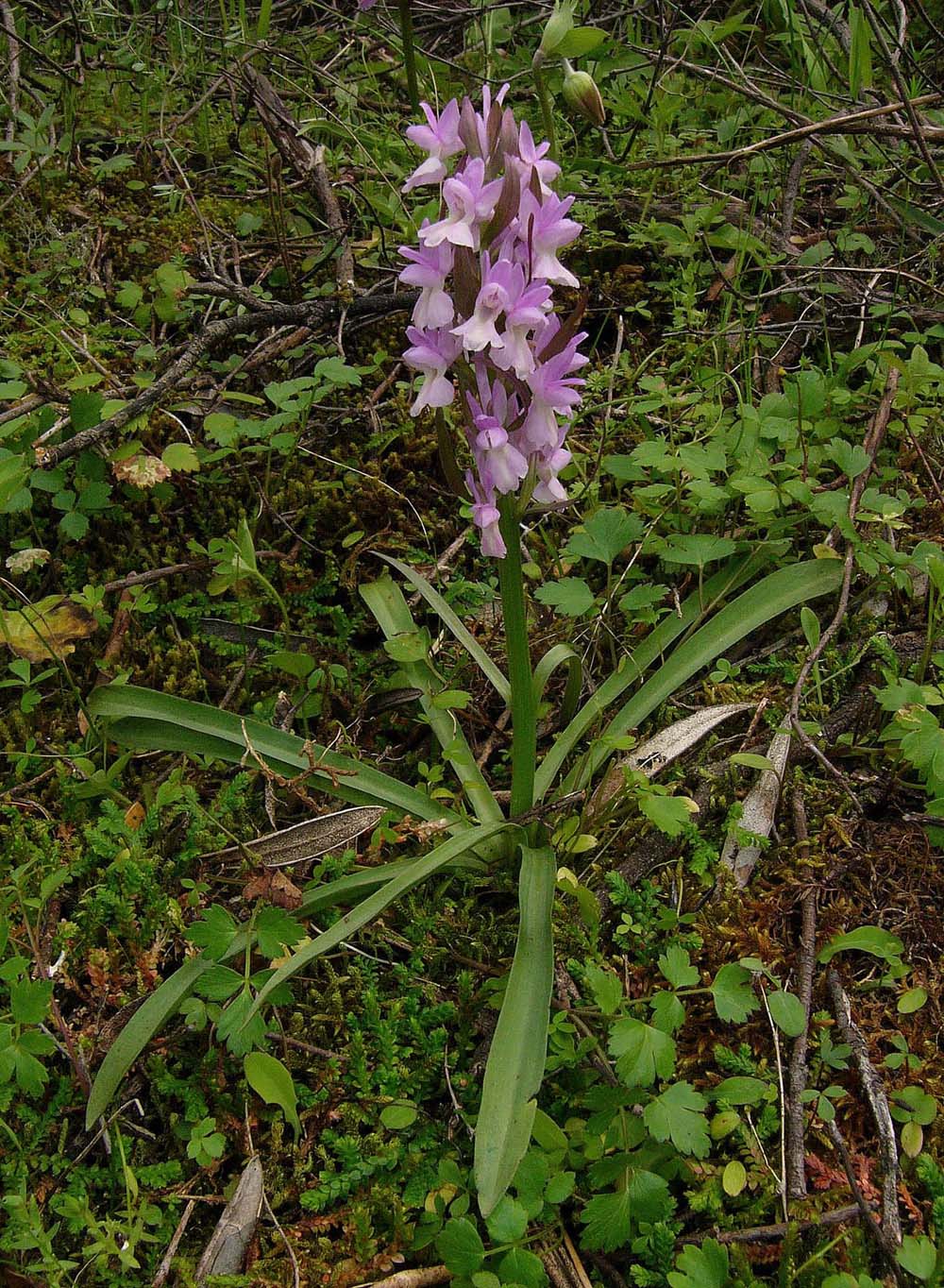
It may be found in many types of habitat but shows a marked preference for woodland, often heavily shaded. Although not exclusively a montane orchid, it appears to prefer higher altitudes, being perfectly happy with mountain existence up to altitudes of 2000m. The very similar D. markusii seems to prefer more heavily acidic conditions and even higher altitudes. Perhaps the one species that may cause cunfusion with the white variety of D. romana is O. provincialis, though this can usually be differentiated by its dark spotted leaves, smaller bracts and red markings on the lip. D. romana occurs in yellow, red and much the rarest, white forms which may all be present within the same population. Intermediates between the colour phases are common.
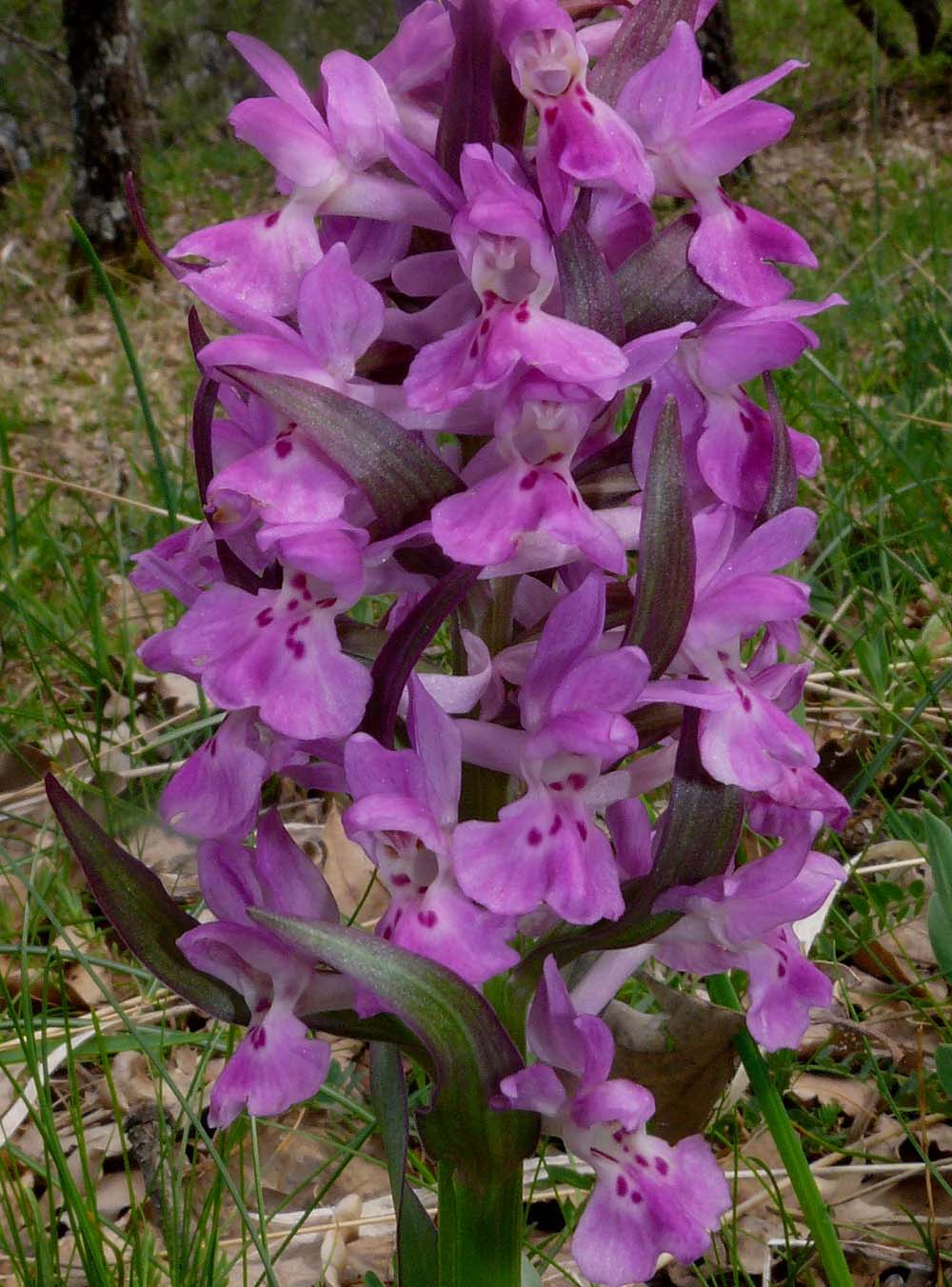
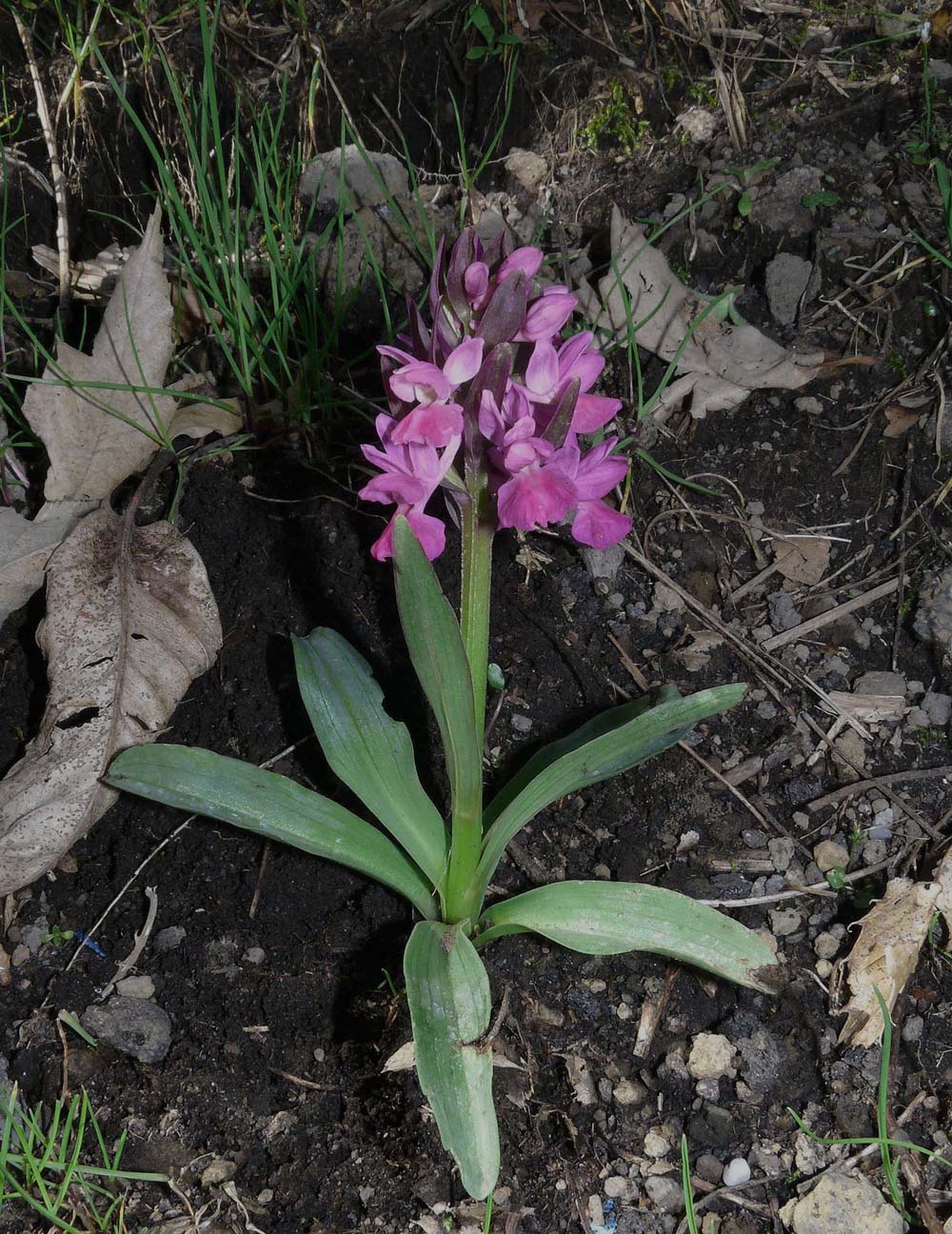
D. romana rarely grows in the company of other Dachtylorhiza species except very occasionally with D. sambucina at higher altitudes. It may be differentiated from this close relative by the looser inflorescence and unmarked labellum. The final picture depicts an example of a hybrid between the two taxons. Picture 5 also shows an interesting and inexplicable pink flowered plant from Sicily with bold red spots as can sometimes be found on the yellow flowered D. insularis.
The pictures are from Lesbos, Cyprus, Cilento and Sicily dating from early March in Cyprus and early April elsewhere.
It may be found in many types of habitat but shows a marked preference for woodland, often heavily shaded. Although not exclusively a montane orchid, it appears to prefer higher altitudes, being perfectly happy with mountain existence up to altitudes of 2000m. The very similar D. markusii seems to prefer more heavily acidic conditions and even higher altitudes. Perhaps the one species that may cause cunfusion with the white variety of D. romana is O. provincialis, though this can usually be differentiated by its dark spotted leaves, smaller bracts and red markings on the lip. D. romana occurs in yellow, red and much the rarest, white forms which may all be present within the same population. Intermediates between the colour phases are common.
D. romana rarely grows in the company of other Dachtylorhiza species except very occasionally with D. sambucina at higher altitudes. It may be differentiated from this close relative by the looser inflorescence and unmarked labellum. The final picture depicts an example of a hybrid between the two taxons. Picture 5 also shows an interesting and inexplicable pink flowered plant from Sicily with bold red spots as can sometimes be found on the yellow flowered D. insularis.
The pictures are from Lesbos, Cyprus, Cilento and Sicily dating from early March in Cyprus and early April elsewhere.